
The complete guide
A Buyer's Guide to White Lightweight Mesh Fabric
When a solid pocket hides too much
A pocket can keep things together yet make them hard to find. Small sewing tools, bag accessories and loose craft supplies can disappear behind a solid panel. A mesh pocket offers a different approach. You can see the contents without opening it or reaching inside to check.
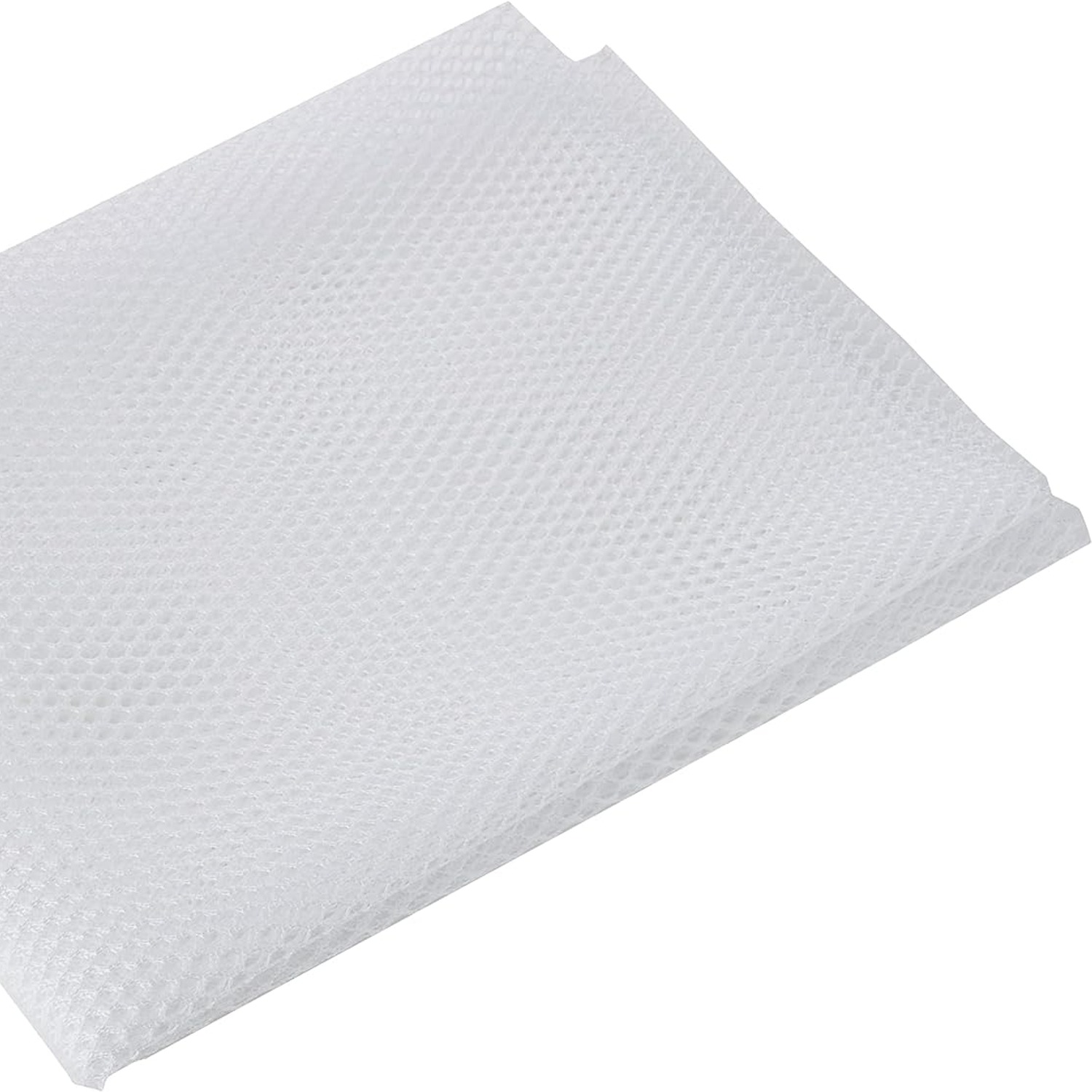
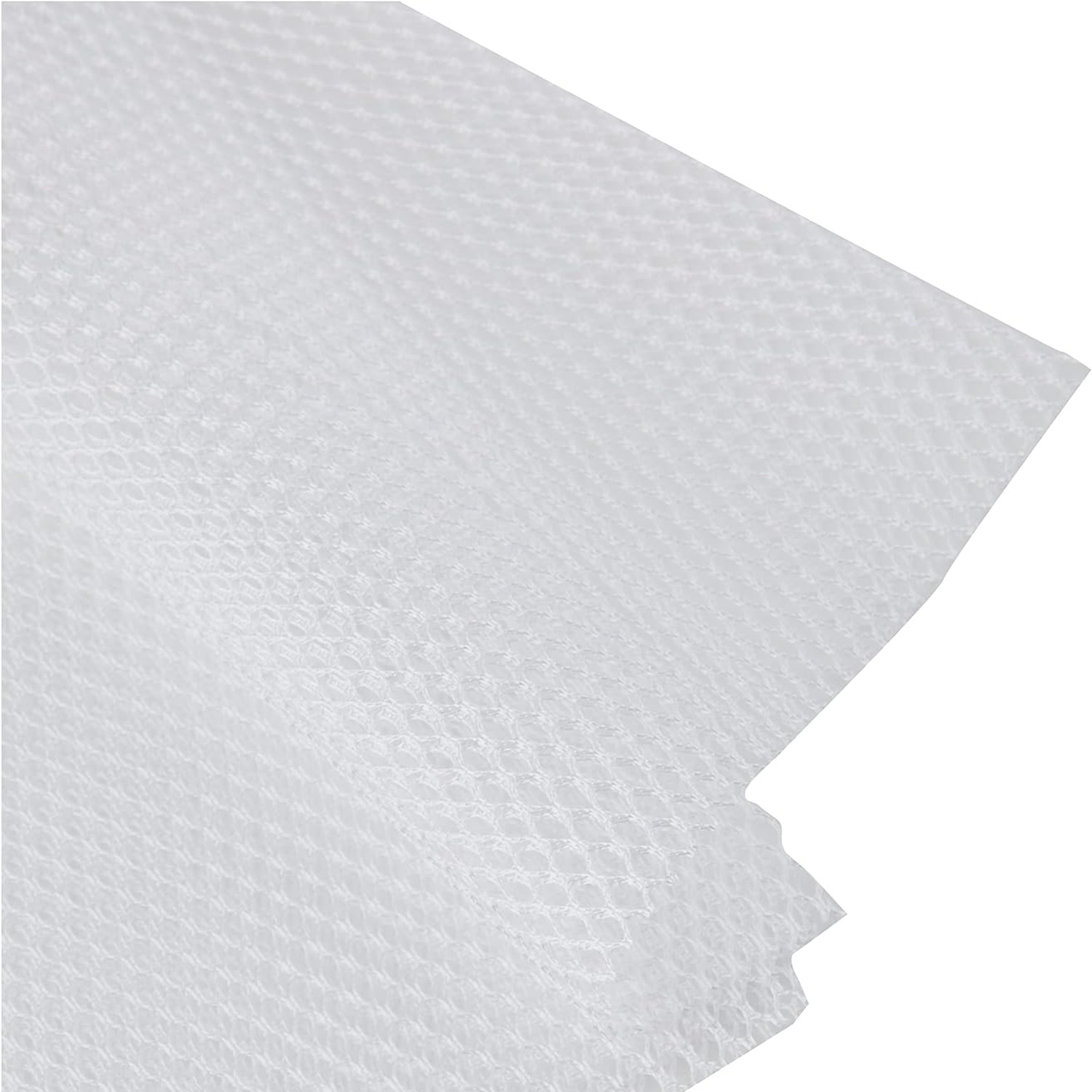
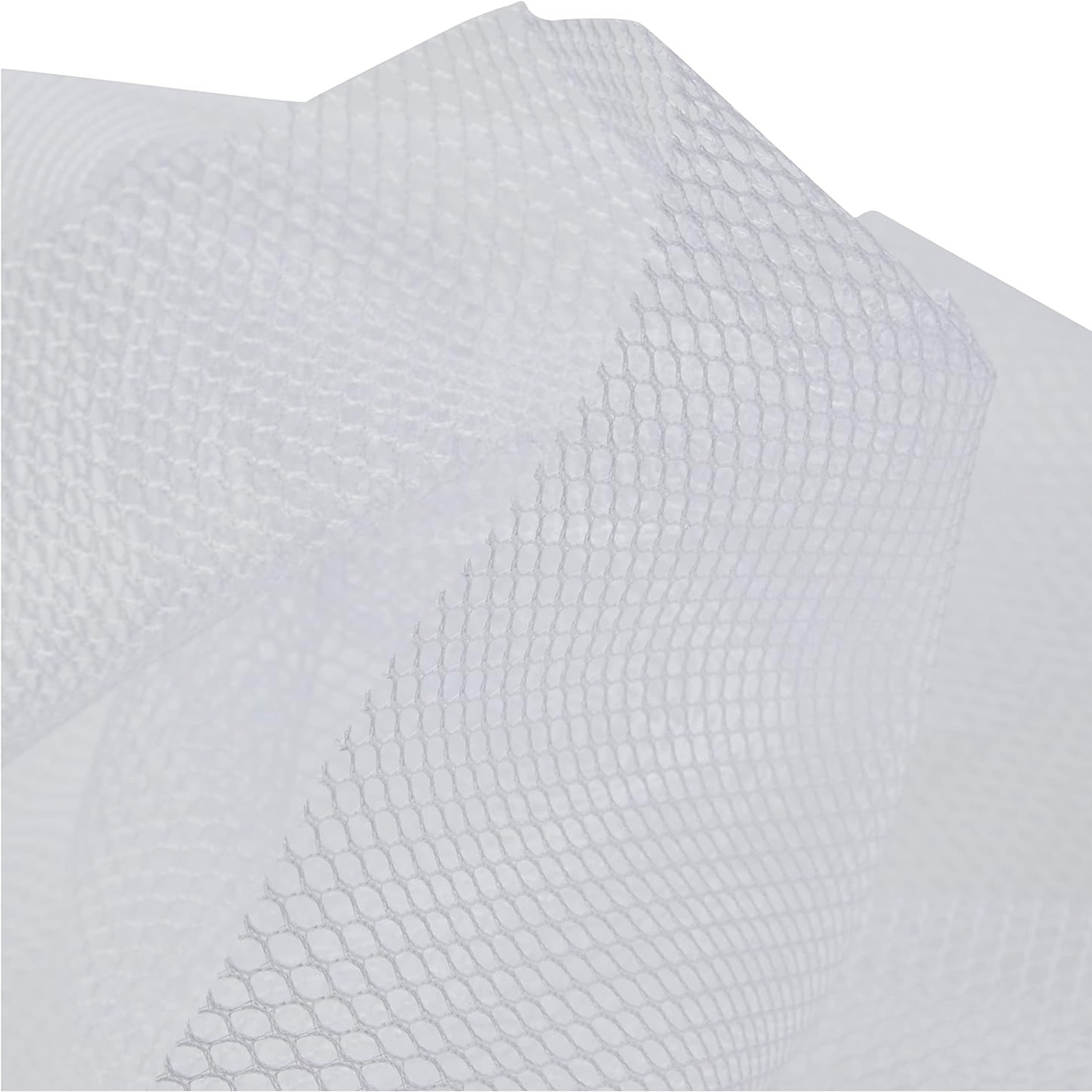
This mesh fabric is a lightweight option for that sort of project. It comes as one white polyester piece measuring 46 x 137 cm (18 x 54 in). It is see-through and has slight stretch, making it worth considering for bags, pockets and small organisers.
The main buying question is whether its size and fabric type match your design. It is not a heavy-duty material with a stated carrying capacity, and it is not given by the maker by the metre. Start with those limits, then look at how the piece could fit your project.
What the mesh brings to a design
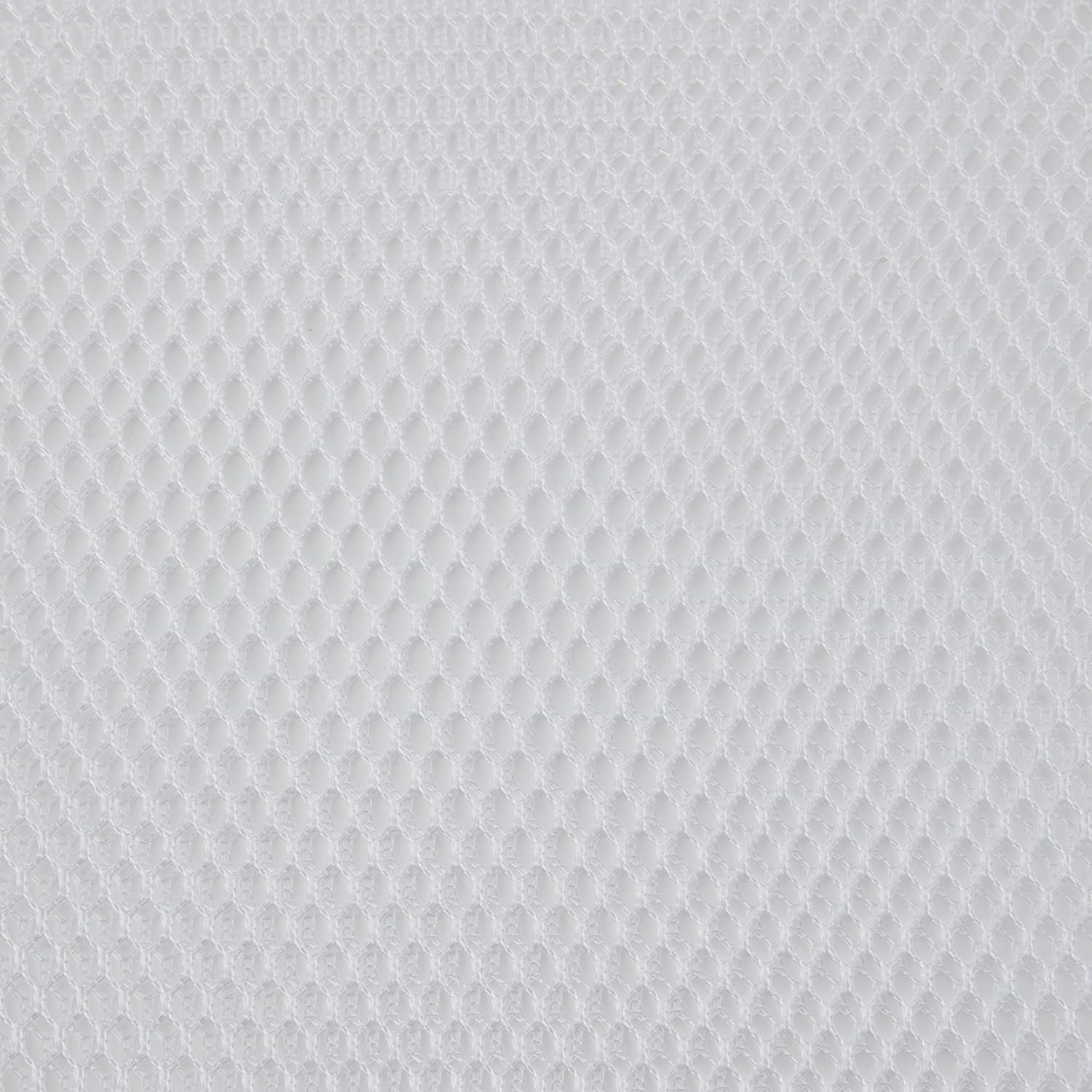
The open structure is the main reason to choose mesh over solid fabric. For a pocket, that means the fabric itself does not hide everything stored behind it. For a craft panel, the see-through look can become part of the design.
The supplied description also notes that this lightweight polyester mesh adds little bulk. That matters when a project already has a main fabric, lining or binding. An extra pocket does not always need another solid layer.
Slight stretch gives the fabric some room to expand. Still, slight stretch is not the same as a measured stretch rating. The maker does not state a percentage, a stretch direction or a recovery figure.
Know exactly what comes in the pack
This is one precut piece. Its stated size is 46 x 137 cm (18 x 54 in), and the fabric is white with a solid colour pattern. The supplied description identifies the material as 100% polyester.
The fixed size is important. You are not ordering a custom length, and ordering should not be based on an assumption that several units will arrive as one continuous piece. Plan around the single piece described here.
Before buying, draw your pattern parts at full size or use paper templates. Lay them inside a rectangle with the stated measurements. Include seam allowances and any fabric needed for folded edges. That simple check is more useful than judging the amount from a product photo.
Choose it for the right kind of pocket
Mesh pocket fabric makes sense when visibility is useful. A pocket inside a bag might hold items you want to spot at a glance. A sewn organiser might use separate mesh panels so each section stays easy to inspect.
Think about the contents as well as the pocket's shape. The mesh opening size is not stated. Very small objects may need a different kind of enclosure, so do not assume the fabric will hold every loose item.
Weight matters too. The maker gives no load limit or strength test. A pattern that calls for lightweight mesh is a more useful starting point than a plan that asks the mesh to support heavy tools. Pocket depth, attachment seams and the backing fabric all need attention when you plan the finished item.
Check the pattern before choosing bag making mesh
A bag pattern may ask for mesh in a side pocket, an inside compartment or a larger panel. Read the material list carefully. “Mesh” can cover fabrics with different weights, openings and stretch behaviour.
This piece is described as lightweight, see-through and slightly stretchy. Those are the qualities you can compare with the pattern.
If the pattern needs a particular technical mesh, ask for more information before buying a substitute. The fact that a fabric is suitable for bags does not mean it fits every bag design. A little checking now can save cutting into material that was never right for the pattern.
Plan the layout before reaching for scissors
Start with the largest panel. Once that fits, work smaller pocket pieces into the remaining space. Keep track of seam allowances rather than treating the whole rectangle as finished pocket area.
If you are making several matching pockets, count every piece on paper first. Include any test offcut you want to keep for stitching or care checks. It is easy to forget that testing uses fabric too.
Do not assume the stretch runs in the direction your pattern needs. That direction is not stated by the maker. Inspect the piece when it arrives and compare it with your design before marking the final layout.
This is also the time to decide whether you need separate binding, a lining or a closure. Those choices come from the pattern and are not described as part of this fabric pack.
Sewing a lightweight, open fabric
The supplied description calls the fabric easy to sew, but it does not give machine settings. Your machine, thread and chosen seam will affect the result. Use an offcut to check the setup before sewing a visible panel.
Look at the test seam from both sides. Check whether the fabric stays flat and whether the stitches hold it as intended. If it gathers or shifts, adjust your approach using your machine's guidance for lightweight mesh.
Avoid pulling the fabric through just to keep it moving. With slightly stretchy mesh, tension during sewing may affect the shape of the finished panel. Let your test guide how you handle it.
For edges, follow the pattern rather than assuming one finish suits all projects. A bound pocket opening and a seam enclosed inside a bag serve different purposes. Test the finish you actually plan to use.
Where white craft fabric can fit
White mesh fabric gives you a solid colour without making the panel opaque. Think about what will sit behind it. A backing fabric or the contents of a pocket will remain part of what you see.
For home decor mesh projects, begin with a specific pattern or design. Home decor is a listed use, but the maker does not give performance details for curtains, upholstery or outdoor exposure. Those uses may have needs beyond a lightweight craft panel.
The same care applies to arts and crafts. This polyester craft mesh may fit a small sewn detail, but there is no stated support for every glue, paint or heat process. Check the instructions for any other product you intend to apply, and test on an offcut rather than the finished piece.
Washing and looking after the finished project
Machine washing is listed in the care information, and the supplied description also says the fabric is dryer safe. Exact temperatures and cycles are not provided. Follow any care label supplied with the piece before setting the machine.
A finished item may contain more than mesh. Binding, main fabric, thread and closures can have different care needs. Plan care for the whole item, not just the pocket panel.
If you want to test washing before sewing, first make sure you intend to keep the fabric. Washing changes its eligibility for a change-of-mind return. The maker does not give a shrinkage figure, so a test can be useful for planning, but it should come after the decision to keep it.
Ironing guidance is not stated. Do not guess a heat setting based only on the white colour or lightweight feel.
Check the piece before making changes
When the fabric arrives, check its colour, quantity and overall size before cutting. Compare it with your paper layout and consider whether the mesh suits the things you want the finished pocket to hold.
Keep the original packaging while you make that decision. Returns are available within 14 days of delivery if the fabric is unwashed, uncut, unused and in its original packaging. The customer pays return postage for a change-of-mind return.
Faulty or wrongly described goods are put right free of charge. If something appears wrong, raise it before starting the project rather than trying to work around the issue.
No delivery lead time is specified in the maker's description. If you need the fabric for a class, gift or dated project, check delivery information for your address before ordering.
The short version
Choose this piece when your design needs lightweight, see-through white mesh with a little give. It is a fixed-size, 100% polyester piece measuring 46 x 137 cm (18 x 54 in), with bags, visible pockets and craft projects among its stated uses.
Check the pattern size and fabric requirements first. Leave room for seams and a test offcut, and avoid assuming technical details that are not given. A careful layout and a small sewing test are practical ways to decide how this mesh will work in your project.