
The complete guide
A Buyer's Guide to Light Grey Cotton Fabric
Start with the project, not just the colour
Finding the right sewing fabric means matching more than a shade. A piece can look just right and still be too short for your pattern, need different care or lack the structure your finished item requires. A few checks before buying can save you from discovering those problems after cutting.
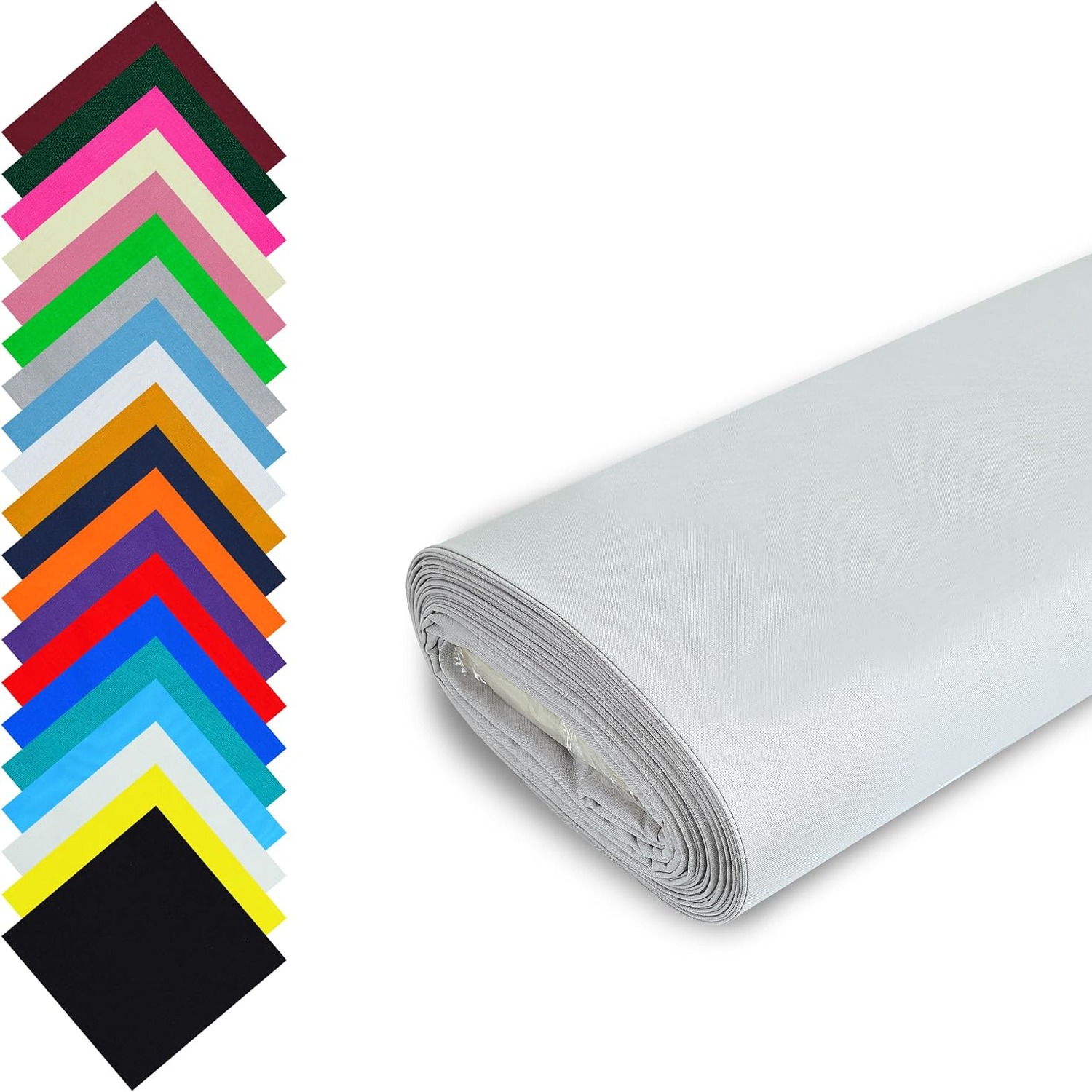
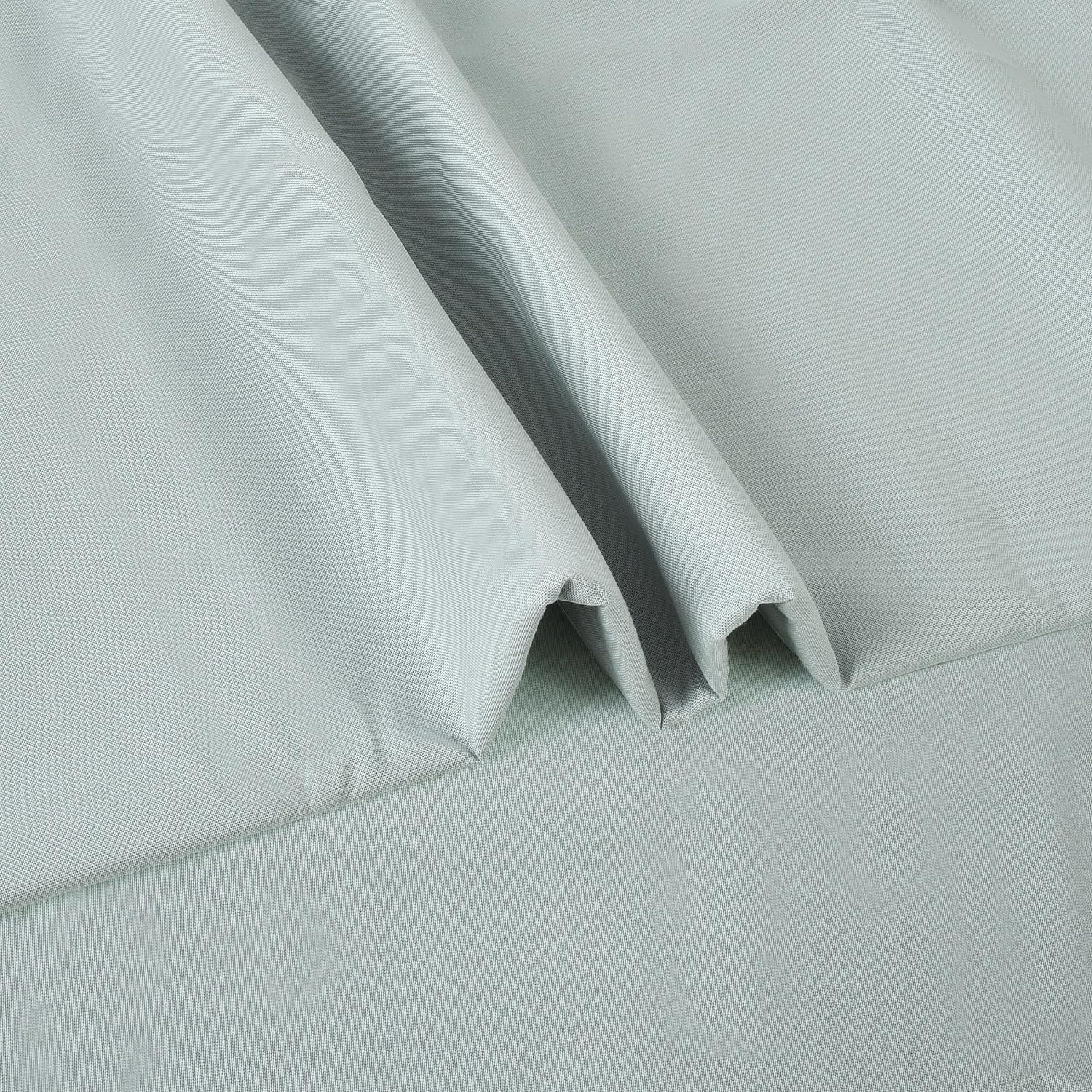
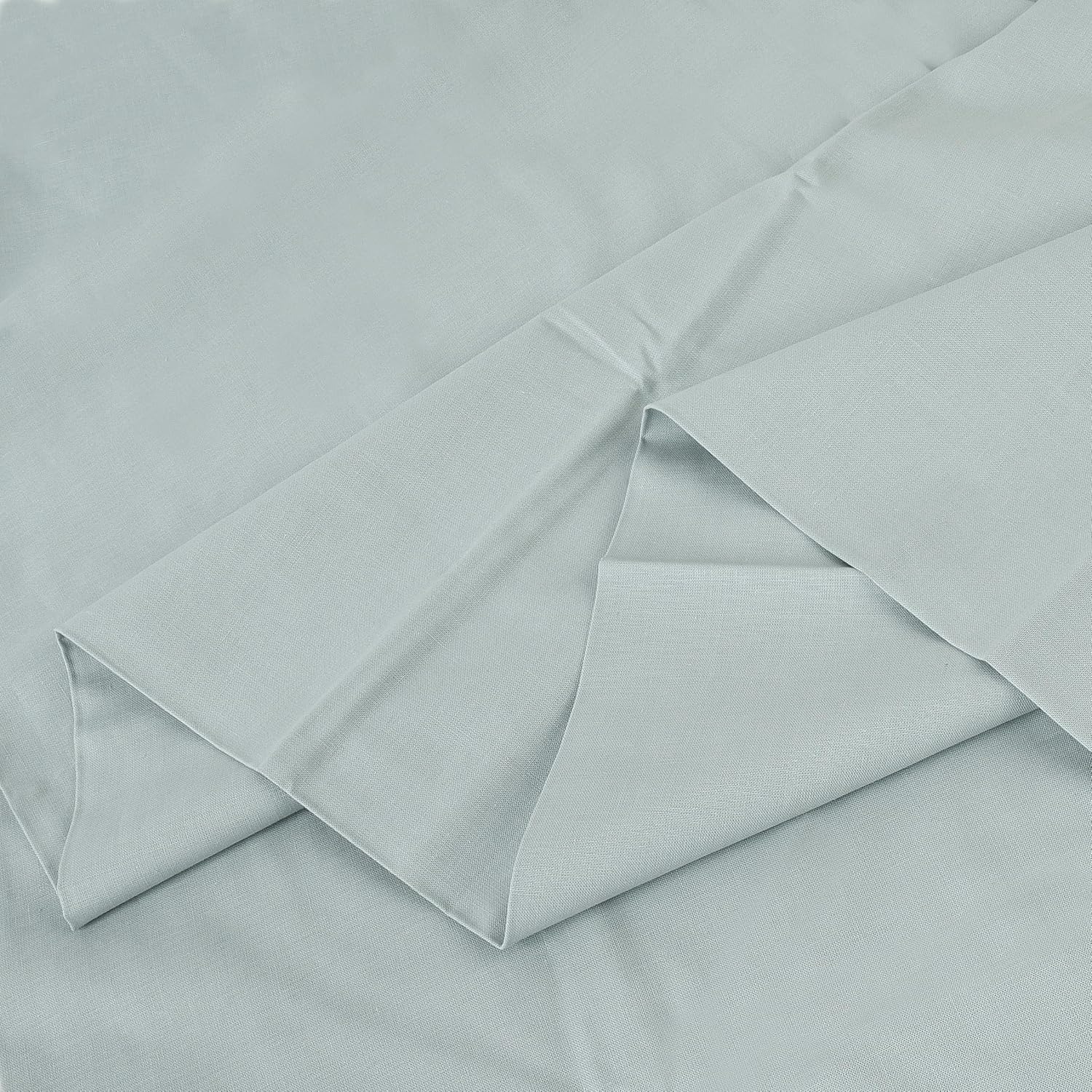
This light grey cotton fabric is supplied as one precut piece, 1 metre long and 147.5 cm wide. It is listed as 100% cotton with a plain weave and a solid colour. Suggested uses include dressmaking, quilting, curtain linings, pillowcases and tote bags.
Those details give you a useful starting point. The next step is to compare them with your own design. Think about the size of the finished item, how it will be used and how you will care for it.
Understand what you are buying
The phrase cotton fabric by the metre can sometimes suggest a length cut from a roll after you order. That is not the supply format here. This product is a fixed precut, and one pack contains one piece.
That difference matters when you need a long panel. Ordering more than one unit should not be treated as a way to receive a single continuous length. If your pattern needs a piece longer than 1 metre, check whether separate pieces would work before buying.
The width is 147.5 cm, also stated as 58 inches. Keep the length and width separate when planning. Rotating a pattern piece to make it fit may conflict with the grain direction marked on your pattern. The total area alone does not tell you whether every part will fit.
What plain cotton brings to the design
This is 100% cotton plain fabric, with no printed motif listed. That gives you a simple visual base for a project. You can focus on the shape of a garment, the arrangement of patchwork or the details of a bag without also working around a large print.
Plain weave describes the fabric construction. It does not, by itself, tell you everything about drape, opacity or stretch. Those properties are not specified by the maker, so avoid choosing it for a design that depends on an unconfirmed feature.
For example, a pattern made for stretch fabric needs more than the right colour. Likewise, a project that must block light needs confirmed light-blocking performance. Use the stated cotton content and weave as part of your decision, not as a promise of every property associated with cotton.
Make light grey work with your other materials
Light grey cotton fabric can serve as the main colour or sit alongside patterned panels. A solid neutral gives you room to add contrast through thread, trim or another fabric.
Before committing to a colour scheme, place the actual fabric beside the other materials you plan to use. Look at them in the light where the finished item will usually be seen. Small differences between greys may matter when two panels sit directly next to each other.
If you are buying neutral sewing fabric to match something you already own, allow time to inspect it before cutting. Keep the packaging while you make that decision. Once the fabric has been cut or used, it no longer meets the stated change-of-mind return conditions.
Check the cutting layout before ordering
Tote bags, for instance, vary in size. Some need separate base pieces, pockets and handles as well as the main panels.
Start with the fabric requirements on your pattern. Check the width those requirements assume, then compare it with 147.5 cm. Next, review the cutting layout and count every piece, including any that must be cut twice or placed on a fold.
Do not leave seam allowances and hems until the end. If you are drawing your own pattern, add them before arranging the pieces. A paper layout within a marked 1 metre by 147.5 cm space can help you see whether the plan is realistic.
Leave yourself enough room to work accurately rather than relying on a very tight fit.
Choosing it for dressmaking
Cotton dressmaking fabric needs to match the needs of the garment pattern. Read the recommended fabric types before you buy. A woven-cotton project is a more relevant starting point than a design that depends on stretch.
Length is another key check. One metre is a fixed limit, and garment requirements change with size, sleeve shape and design details. Do not assume that a simple-looking garment uses only a small amount of fabric.
Care matters just as much. This fabric is listed as dry clean only. If you want a garment that can go into a regular home wash, that instruction may make this piece unsuitable for your routine. Decide that before spending time on cutting and sewing.
Planning quilting and craft projects
For patchwork, a plain light grey panel can give patterned pieces some visual space. It may serve as a background, border or part of a repeated block, depending on your design and the amount required.
When choosing cotton quilting fabric, count the pieces rather than estimating by eye. Include trimming allowances and any extra fabric your method needs. Small differences across repeated blocks can add up to a much larger requirement.
Also consider the care of the finished quilt or craft item. Combining fabrics does not remove the dry-clean-only instruction for this one. If the other materials need a different treatment, get advice before sewing them together. The finished project needs a care plan that works for all its parts.
Bags, pillowcases and curtain linings
Cotton fabric for tote bags is one of the listed uses. Your pattern may call for lining or interfacing to create the intended shape. This fabric description does not confirm that it can provide all the support a particular bag needs on its own.
Pillowcases are another suggested use, but check the full cutting measurements. Closures, folds and hems all use fabric beyond the finished pillow size. The care instruction also deserves thought for an item that may need frequent cleaning.
For curtain lining fabric, measure the required drop and width before buying. No blackout or thermal performance is specified here. A listed use as a curtain lining should not be read as a claim that it will darken a room or provide insulation.
Prepare carefully before the first cut
When the fabric arrives, inspect it before making changes. Check the colour, piece size and condition, then compare it with your pattern and other supplies. This is the point to decide whether it suits the project.
Read the care instruction before following a general sewing tutorial. Many tutorials recommend washing cotton first, but that advice should not override this product's dry-clean-only instruction. Ask your dry cleaner about suitable preparation if you need guidance.
Once you are ready to proceed, arrange the full cutting layout before cutting any part. Check fold positions and grain markings against your pattern. Marking all the pieces first can help you avoid using an area needed for a larger panel later.
Keep useful offcuts for tests or small details rather than discarding them at once.
Know which details are not confirmed
A clear buying decision includes knowing what the maker does not tell you. Stretch, opacity, shrinkage results and colourfastness results are not specified. No certification or country of origin is established here.
The recorded item weight is 150 g. That is an item-weight figure, not a reason to assume a particular weight per square metre. If your pattern requires a specific fabric weight, seek confirmation rather than treating the two measures as interchangeable.
There is also no stated delivery lead time. If the fabric is for a gift, class or time-sensitive project, check delivery information before ordering. Build in time to inspect the piece and resolve any questions before your sewing date.
Keep the return conditions in mind
You have 14 days from delivery to return fabric that is unwashed, uncut, unused and in its original packaging. The customer pays return postage.
That makes an early inspection worthwhile. If the shade or size does not work for your plan, pause before testing treatments or cutting a sample. Keep everything together while you decide.
Faulty or wrongly described goods are put right free of charge. If something appears wrong, contact us with the details rather than trying to work around it.
The short version
This plain cotton fabric is a straightforward option when your project calls for light grey, 100% cotton in a fixed precut size. You receive one piece measuring 1 metre by 147.5 cm.
Check the cutting layout, required fabric properties and dry-clean-only care before ordering. If those fit your plans, you have a solid-colour starting point for a suitable sewing project.