
The complete guide
A Practical Guide to Choosing and Using Fusible Fleece
When fabric needs a little more support
A fabric can look right for a project yet feel too thin once you start putting the pieces together. A pouch may need a softer body, or a bag pattern may call for an extra layer between the outer fabric and lining. Choosing that layer matters as much as choosing the fabric itself.
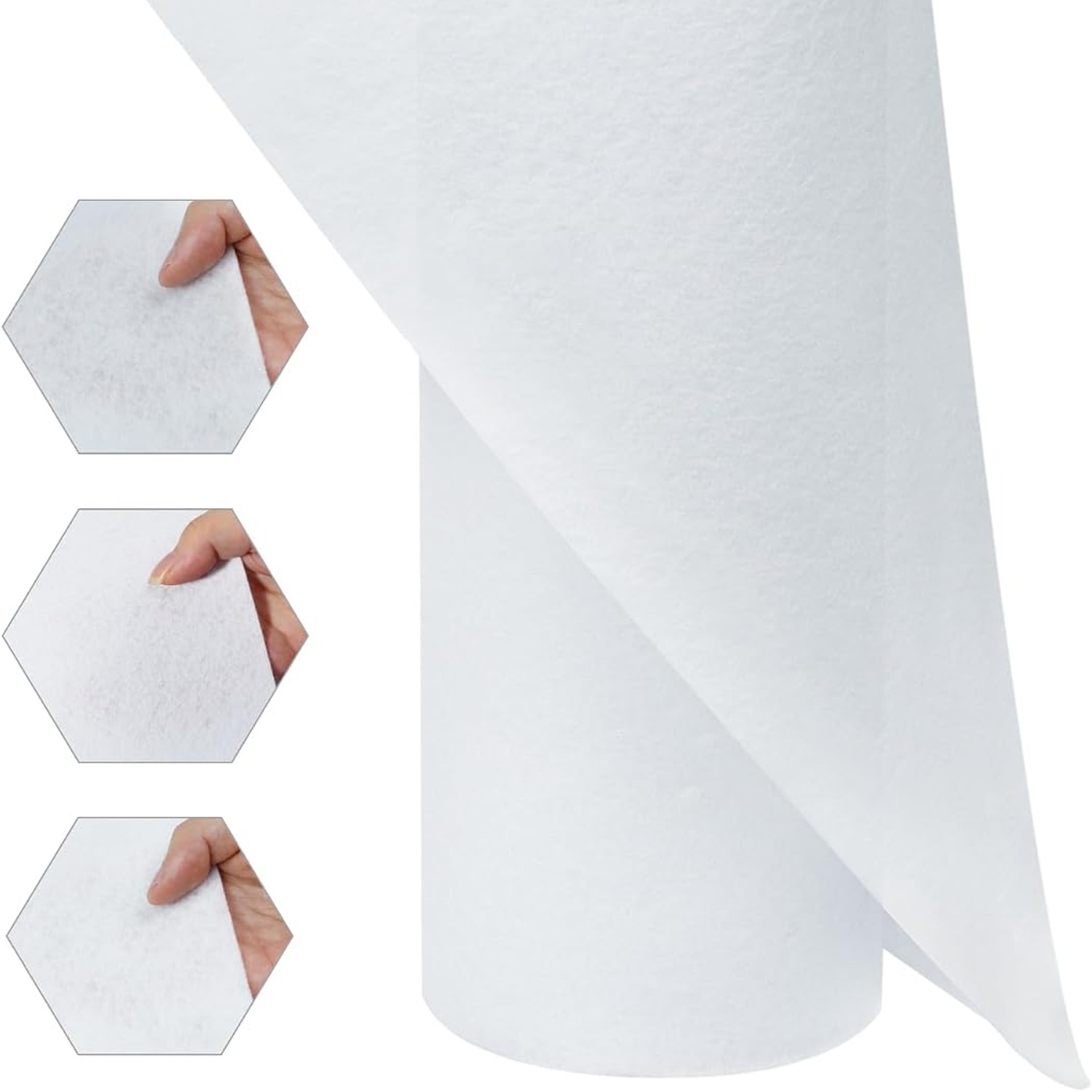
Fusible fleece is one option when your pattern asks for soft support. This roll is white, medium weight and adhesive on one side. Heat from an iron activates the adhesive so the fleece can attach to a suitable fabric.
The important word is suitable. Your pattern needs to call for this kind of layer, and your fabric needs to tolerate the application process. A little checking before you buy can save a great deal of unpicking later.
What this roll gives you
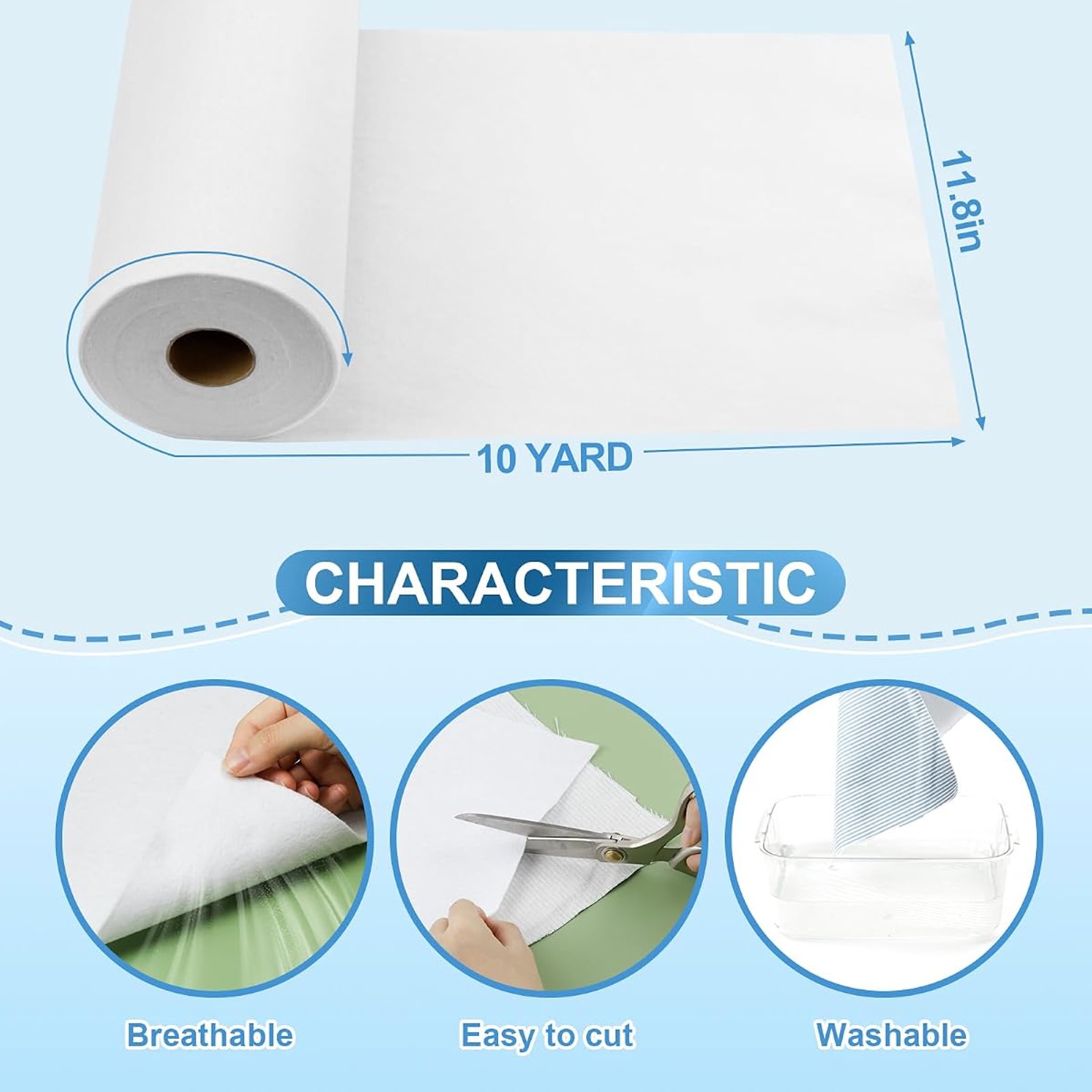
You receive one roll measuring 30 cm (11.8 in) wide and 10 yards (9.1 m) long.
That format gives you material to plan across several smaller projects, depending on the size of their pieces. It also lets you keep the unused portion for later work. The number of projects you can make is not fixed, since cutting layouts can vary widely.
The maker's description also description product dimensions of 30 x 5 x 5 cm and an item weight of 590 g. Those details are separate from the usable roll measurements. When deciding whether your pattern fits, work from the 30 cm width and 10 yards (9.1 m) length.
How the iron-on layer works
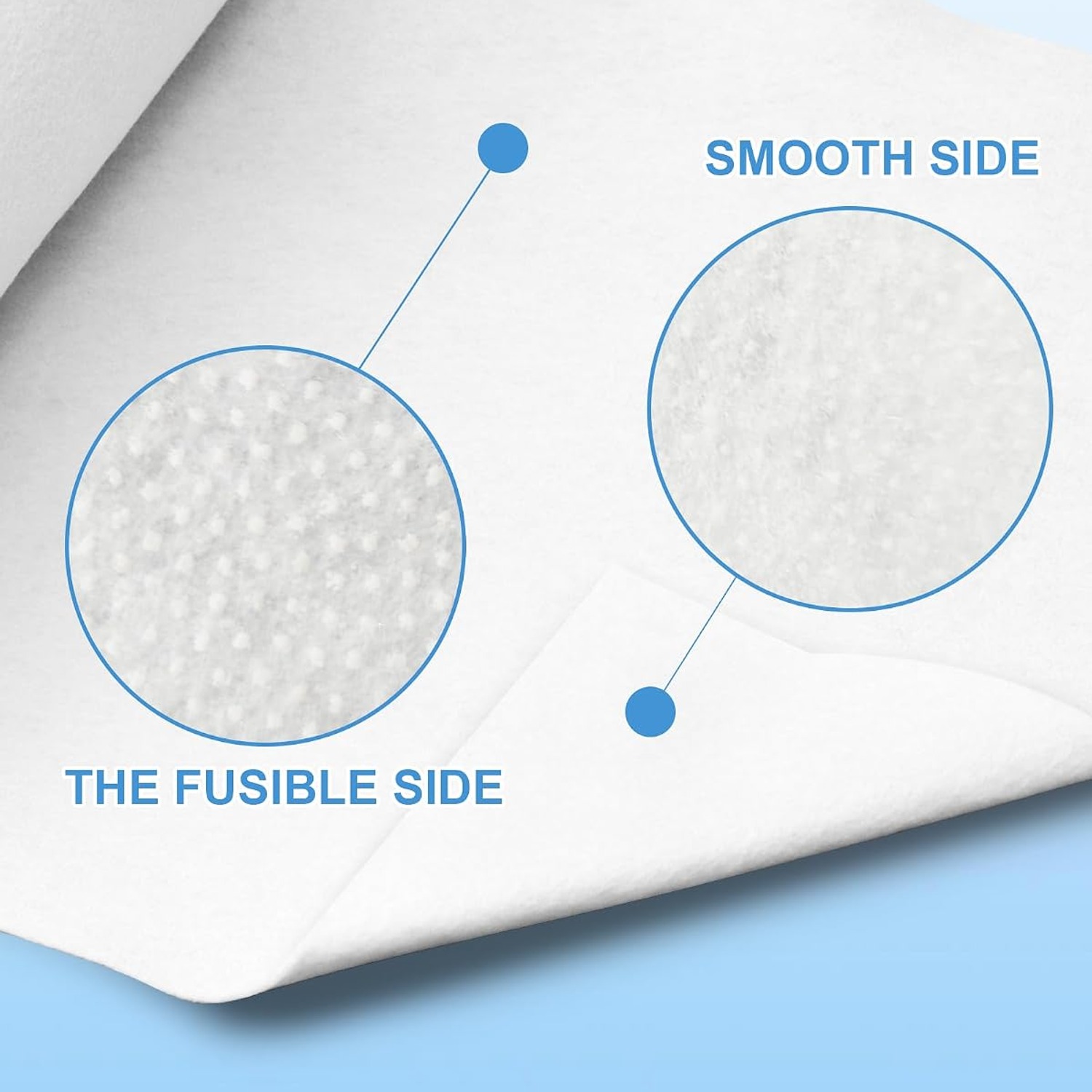
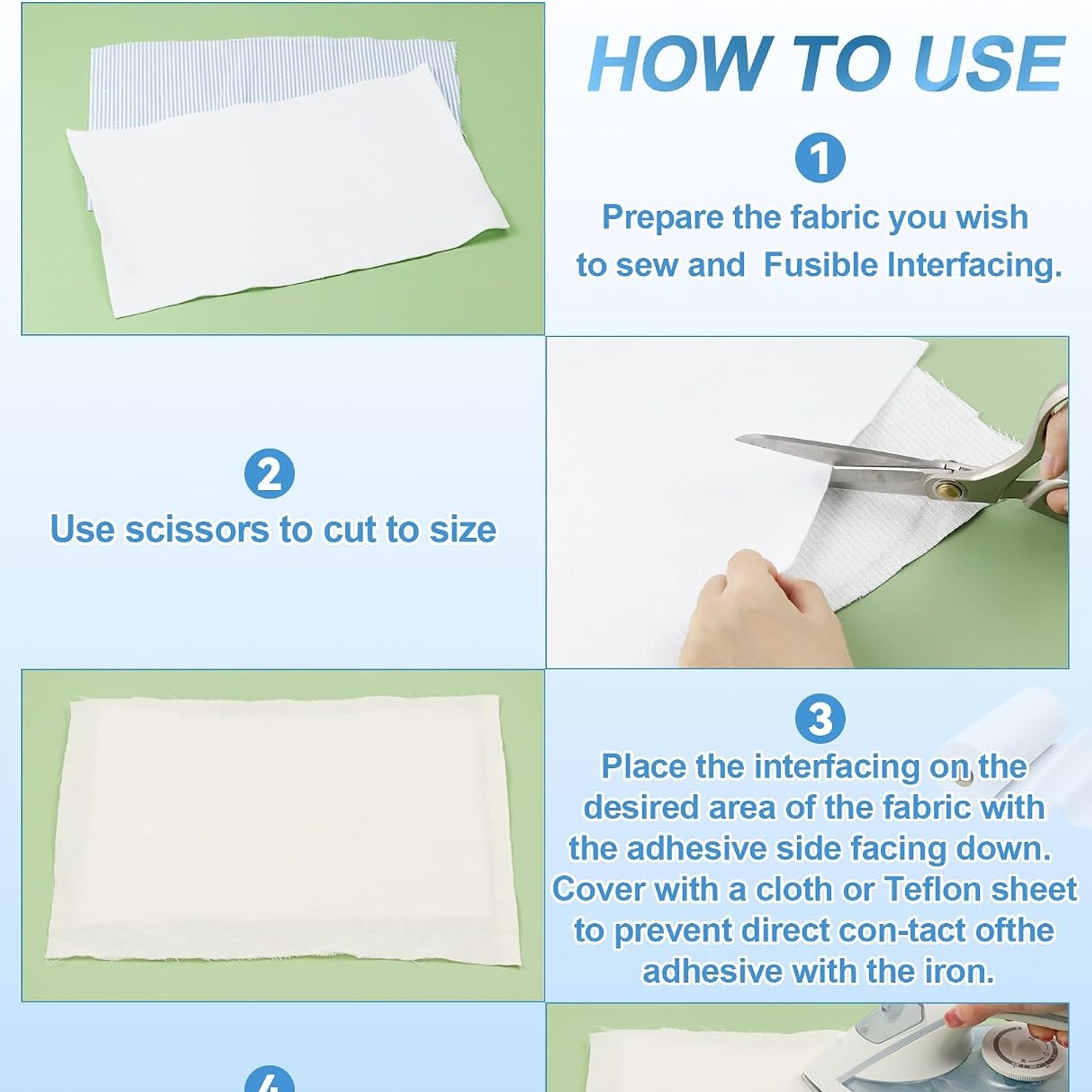
This is heat activated interfacing. Its adhesive is on one side, which attaches to the fabric when applied with an iron according to the supplied directions.
Before starting, identify the adhesive side from the product instructions. Arrange your pieces so that side meets the intended fabric surface. Avoid guessing, particularly if you are new to one-sided fusible fleece.
The maker does not state the pressing temperature, pressing time or steam setting in the maker's description. There is no single setting here to recommend. Read the directions that arrive with the roll, then check that your fabric can tolerate them.
A scrap test is useful because it lets you assess the bond and the look of the fabric without risking a main panel. Use an offcut of the actual project fabric rather than an unrelated scrap.
Decide on the feel you want
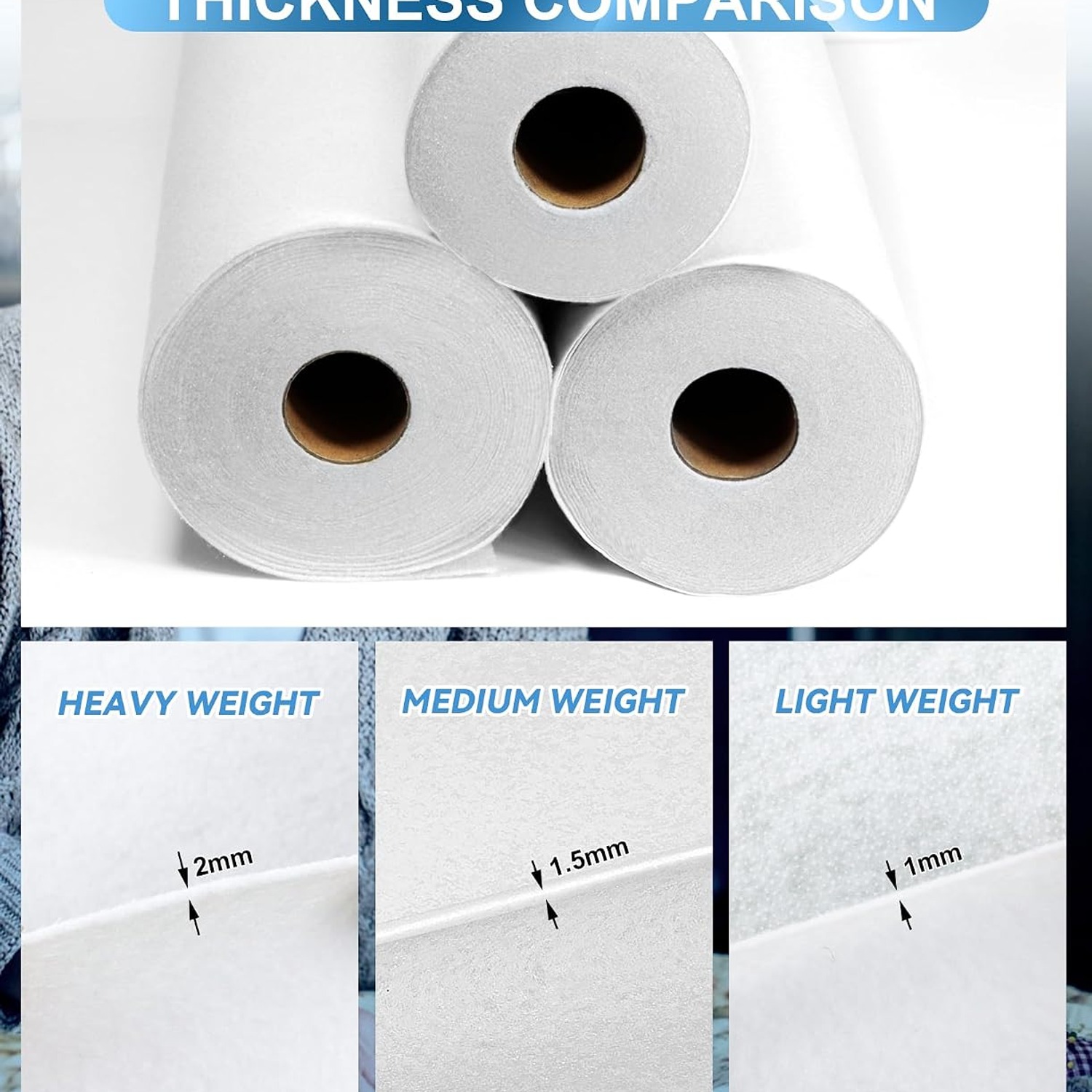
Medium weight describes this fleece, but it does not give an exact thickness or fabric weight per square metre. The maker does not state those measurements in the maker's description.
Think about what your pattern is trying to achieve. If it specifies medium weight fusible fleece, this is a product to compare against that requirement. If it asks for a stiff insert, foam or another named support, do not assume fleece is the same thing.
Soft bag support and firm structure serve different aims. A finished bag's shape also depends on its size, seams, outer fabric and construction. This fleece does not come with a promise that any bag made with it will stand upright.
When changing a pattern's recommended material, make a small sample first. Judge the layered result, not just the fleece on its own.
Who should consider it?
Someone making small bags or pouches may find a fusible fleece roll useful when their pattern calls for this material. Its full-roll format can also suit a sewer who wants to keep a supply ready for repeat projects.
For pouch interfacing, start with the pattern pieces. Check the width of the outer panels and any smaller sections that need support. A short project can still contain a piece that is too broad for a narrow roll.
Beginners can consider it too, provided they are willing to test and follow the application directions. The iron-on method does not remove the need for careful cutting or heat checks.
If you need a known fibre composition, exact thickness or a particular technical specification, ask for that information before buying. Those details are not stated by the maker.
Plan around the 30 cm width
The roll length may catch your eye first, but width is often the deciding measurement. This 30 cm fusible fleece needs to accommodate each piece in your cutting plan.
Trace or measure the pieces that require fleece. Then arrange them within a 30 cm-wide space, using your pattern's instructions for orientation and seam allowances. This gives a more useful estimate than simply copying the amount of outer fabric listed.
Do not assume that a piece wider than the roll can be joined without affecting the result. If your pattern needs broad panels, check whether it allows joins or calls for a wider support material.
Leave room in your plan for testing. A small test piece uses some material, but it can prevent a larger mistake. Keep track of the remaining roll length as you complete projects.
Check the outer fabric before fusing
Iron-on fleece interfacing needs heat, so the outer fabric is part of the decision. Read its care instructions before you commit to a fusible product.
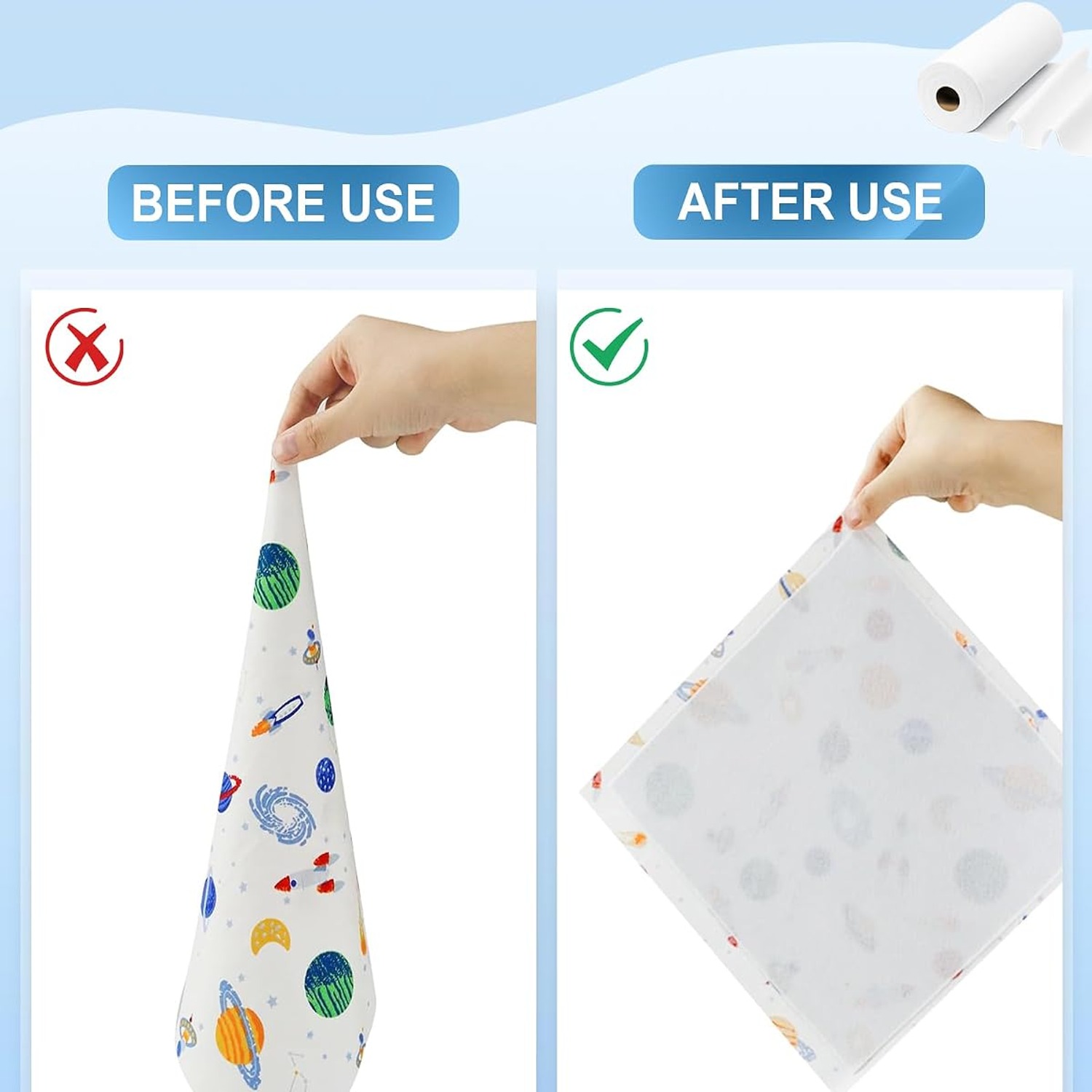
Test the complete combination you intend to sew. Look at the fabric face after application and check whether the layered sample has the feel you want. If the fabric is light or has an open weave, consider whether the white backing changes its appearance.
Let the sample settle according to the supplied instructions before judging the bond. Do not move straight to the main pieces if you are uncertain about the result.
This is also a good point to review your construction order. Some patterns ask you to apply support before sewing certain seams. Following that order can make the work easier to manage.
Keep the application process careful
Set out the fabric pieces, fleece and instructions before switching on the iron. A clear work area makes it easier to keep the adhesive side facing the right way.
Use the maker's directions for pressing rather than treating the fleece like ordinary fabric that only needs smoothing. Heat, moisture and time can affect an adhesive application, and the required settings are not given by the maker.
Work on a test piece first, then follow the same approved method on your project. If the result is uneven or the fabric changes in an unwanted way, pause and check the directions.
Avoid adding extra heat simply because a bond seems uncertain. First confirm the fabric's heat limits and the correct application method. Guessing can put the outer fabric at risk.
Washing and caring for the finished item
The maker describes this as washable fusible fleece, designed to retain its structure and adhesive properties through regular washing. That is useful when planning an item that may need cleaning.
It does not mean every finished project can go through the same wash cycle. Outer fabric, lining, thread, trims and fastenings can all have different care needs. Base care on the least tolerant component.
The maker does not state a wash temperature or tumble-drying setting in the maker's description. Check any directions supplied with the roll rather than choosing a cycle from the fleece description alone.
If washing matters to your project, wash a layered test sample using a method allowed by all its components. Inspect the result before making care decisions for the finished item.
Store the remainder for your next project
Keep unused fleece clean and dry, away from direct heat. Retain the product packaging and any application instructions so you can check them when you return to the roll.
It helps to description how much you have used. A simple note with the remaining length can make your next cutting plan easier, especially when a project needs several matching panels.
Keep usable offcuts together. They may be suitable for a later small piece or an application test, depending on their size. Measure them before relying on them for a pattern.
Avoid separating the instructions from the material. A familiar-looking roll is not a reliable guide to pressing settings months later.
Check suitability before cutting
Before opening a new sewing project, compare the pattern's requirements with the product details. Check any unknown specifications that matter to you.
Check the order's delivery information if you are working towards a deadline or buying a gift.
Change-of-mind returns are accepted within 14 days from delivery when the fabric is unwashed, uncut, unused and in its original packaging. You pay return postage. Faulty or wrongly described goods are put right free of charge.
That makes an early check worthwhile. Decide whether the roll matches your needs before cutting or washing it.
The short version
Choose this white medium weight fusible fleece when your pattern calls for a soft iron-on supporting layer and its pieces fit the 30 cm width. Each purchase supplies one roll, 10 yards (9.1 m) long.
Check fabric heat tolerance, follow the supplied application directions and test before working on the main pieces. Care for the finished item according to all its components, not the fleece alone.