
The complete guide
Choosing White 11 Count Aida Cloth for Your Next Project
Start with the fabric, not just the design
It is easy to fall for a cross stitch chart before thinking about the cloth beneath it. Then you sit down to start and find that the finished design will be too large, the border is too narrow, or the fabric count is different from the one the chart uses.
Choosing your fabric first helps avoid those problems. You need a count that suits your design, a background colour you want to keep visible, and enough room to finish the work.
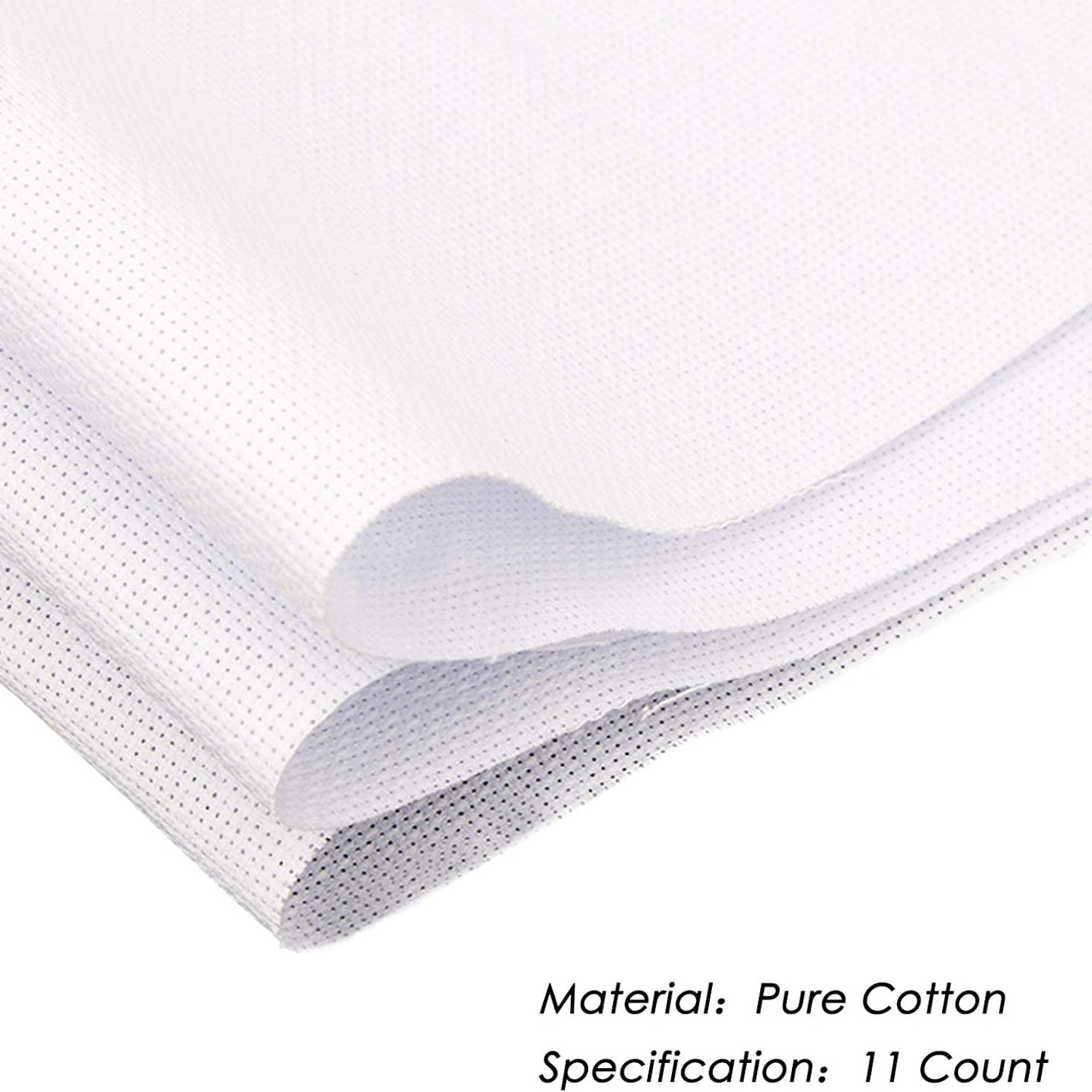
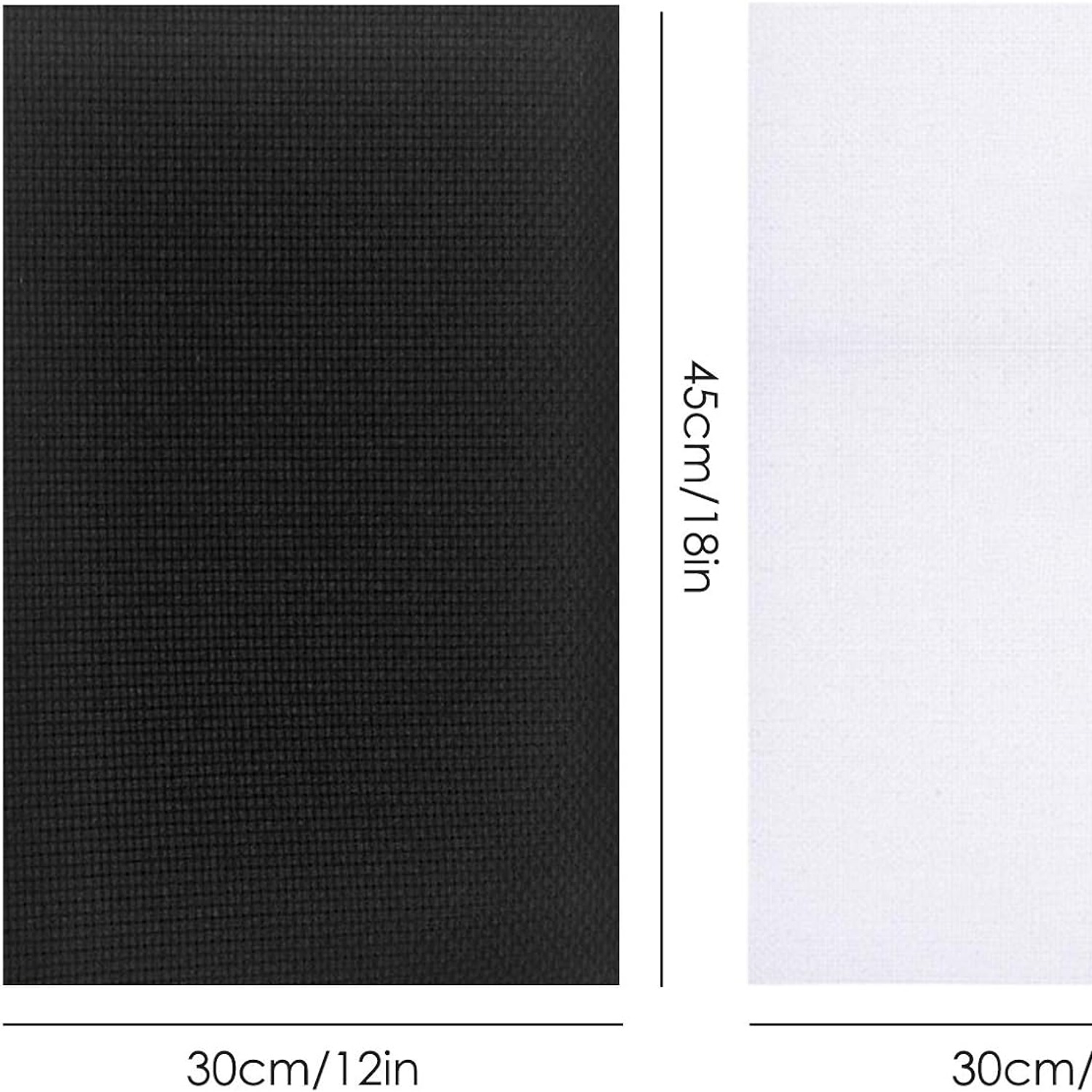
This pack contains six pieces of white Aida cloth in 11 count. Each piece measures 30 x 46 cm (12 x 18 in). They are separate precuts, not a continuous length and not fabric cut to your requested size. That makes checking your chart against a single piece the first useful step.
How 11 count Aida works
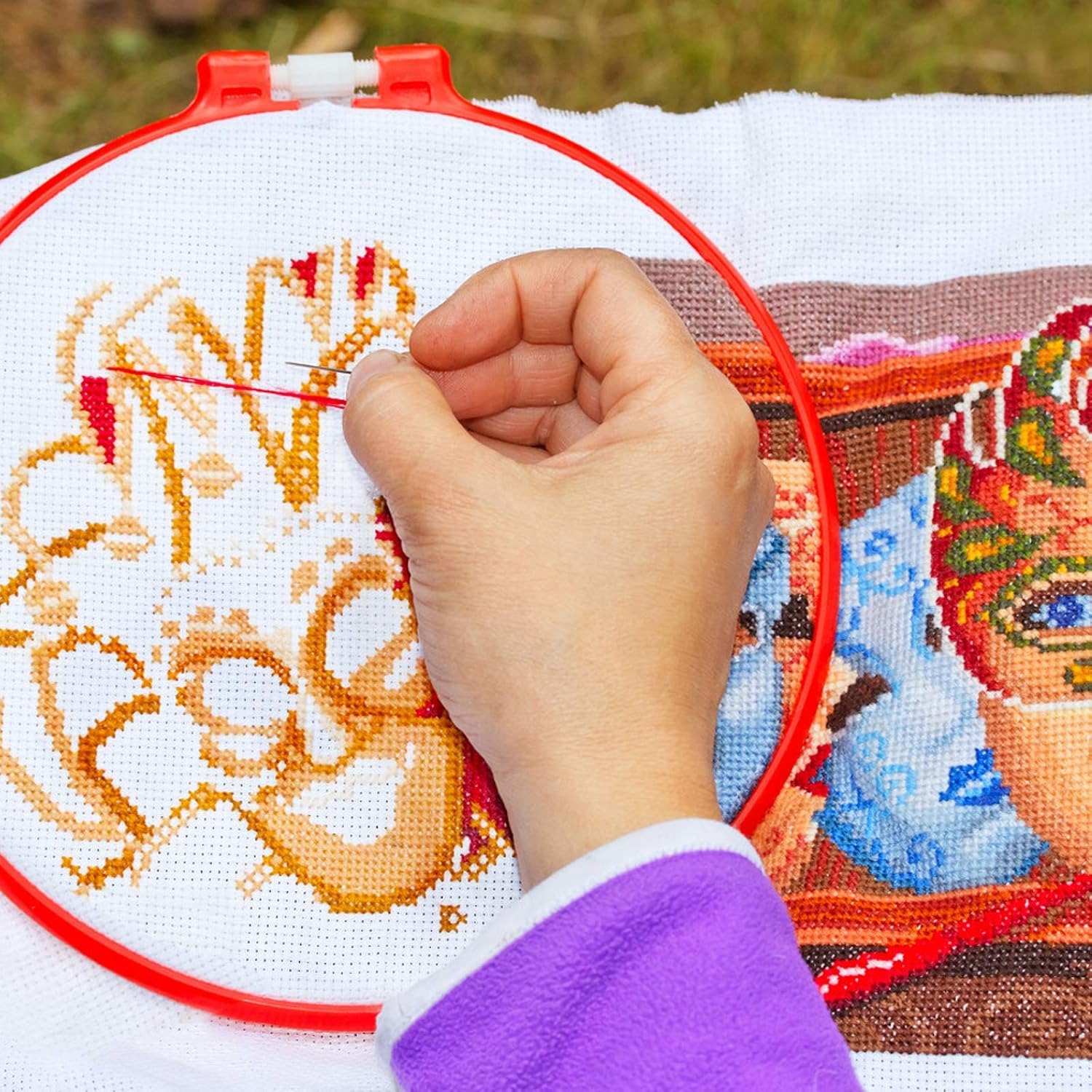
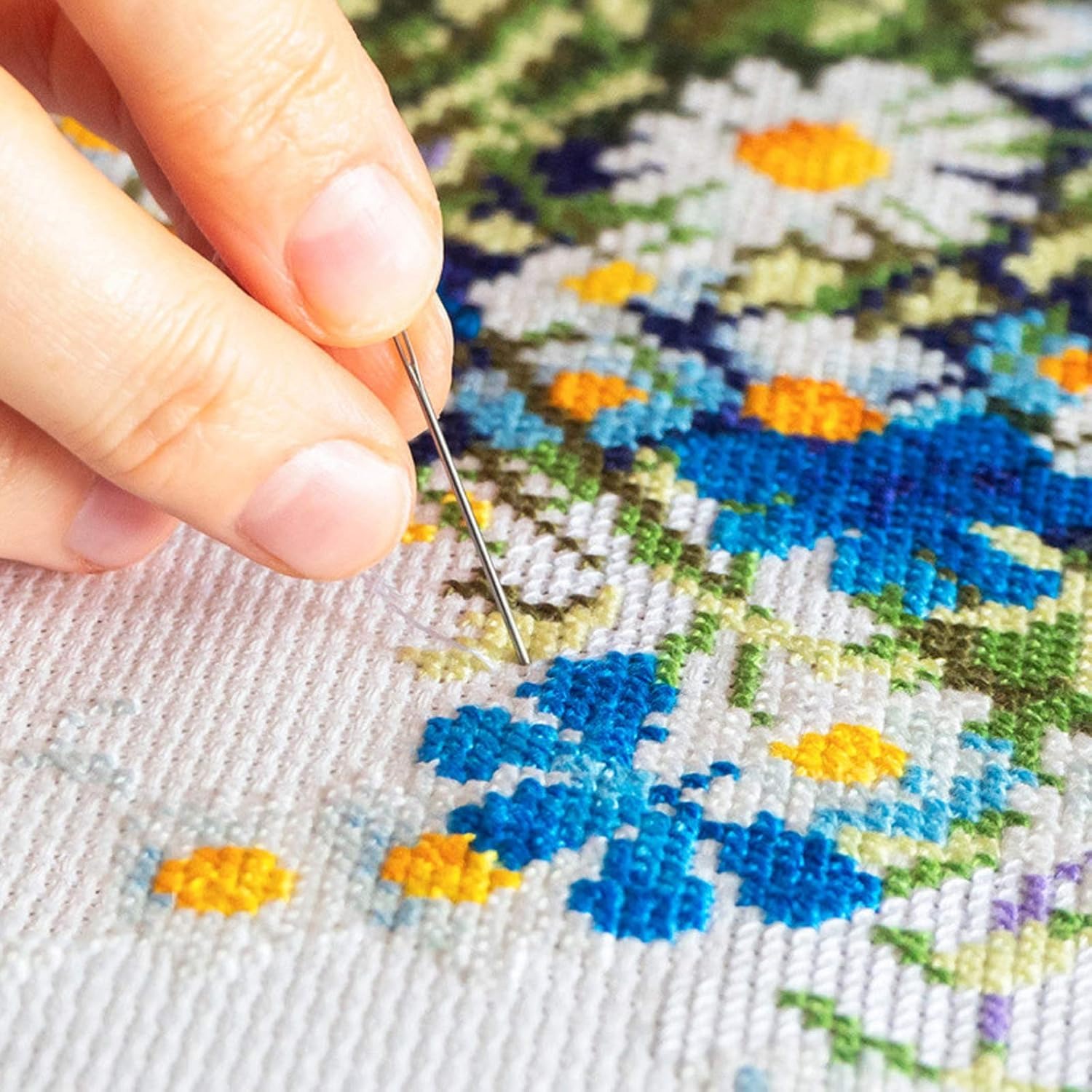
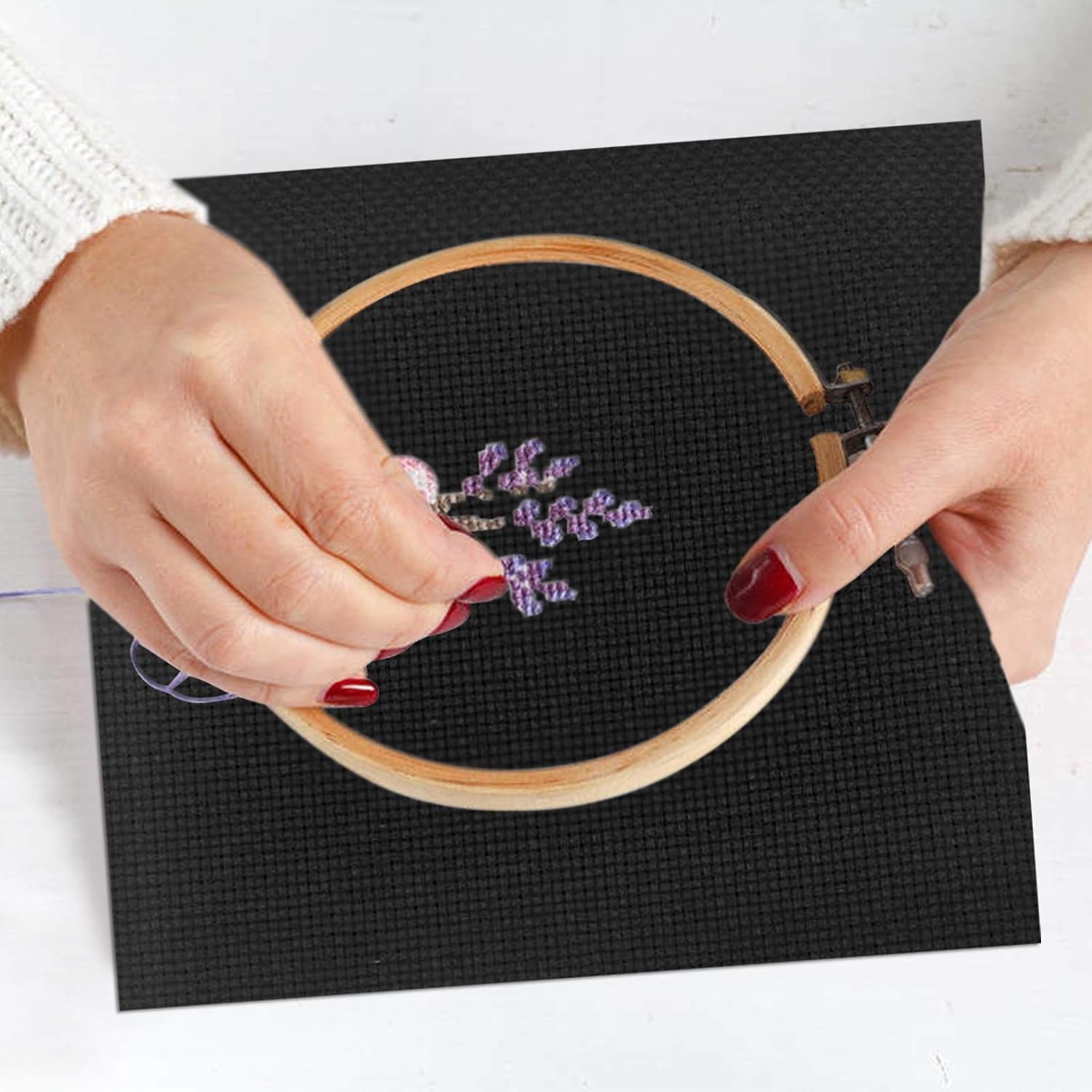
Aida has a grid that gives counted cross stitch its structure. You follow a chart and place each cross over a fabric square. The grid helps you count across rows and keep the parts of a design in the right place.
The number in the fabric name describes its count. On 11 count Aida, there are 11 squares per inch. When you work one cross over each square, that means 11 stitches per inch.
This matters because a chart is usually measured in stitches, while your cloth is measured in centimetres or inches. The count connects the two. A design worked on 11 count fabric will take up more space than the same stitch chart worked on a higher count, assuming one cross per square.
Neither choice is automatically better. Think about the size you want on the wall or in your finished item, rather than choosing by count alone.
Check the chart before choosing a piece
Find the stitch width and height of your design. Divide each number by 11 to work out its stitched dimensions in inches on this fabric. Do both calculations, even if the chart looks roughly square.
The stitched area is only part of the space you need. You also need spare cloth around it. That border gives you somewhere to hold the work and may be needed for a hoop, seams or framing.
Do not plan a design right up to the edge of the precut. Decide how the project will be finished, then check how much spare fabric that method needs. If you are using a framing service, ask about its requirements before stitching.
Turning the cloth may help a rectangular design fit, but it does not create extra fabric. Check the width and height in the orientation you intend to use.
What the six-piece format offers
A cross stitch fabric pack is useful when you prefer to keep projects separate. You might reserve one piece for a gift and another for a design you want to stitch later. A spare piece can also give you room to practise before starting something more involved.
The pieces are already cut, so you do not need to measure a length from a roll just to separate your projects. You still need to check the size of each design and plan its position.
There is no need to assign all six pieces straight away. Keep unused cloth clean and dry until you have a chart in mind. A note stored with each planned project can help you remember its stitch count, thread choices and intended finish.
This format is less suitable if your design needs a piece larger than 30 x 46 cm. Several precuts should not be treated as a substitute for one larger, unbroken stitching surface.
Choosing a white background
White embroidery fabric leaves the thread colours and stitched shapes to carry the design. Any unstitched areas will remain part of the finished picture, so look at those spaces when choosing a chart.
Check how pale threads look against the cloth before committing to a large area. A colour that looks clear on a printed chart may be less distinct when placed beside a white background. A few sample stitches can help you judge the effect.
Also think about how much of the fabric will show. A design with open areas makes the background more visible than one that covers nearly every square.
The listed material here is cotton. The maker does not state a special finish or fibre grade, so choose it for the stated colour, count and size rather than an assumed treatment.
Who this fabric may suit
If you are learning counted cross stitch, an 11 count grid can offer a useful place to practise following a chart. Start with a design you can count easily and check your placement as you go.
Beginner cross stitch fabric still needs to match the project. A small, clear chart is often a more manageable first choice than a large design with many similar thread colours. Fabric count alone does not decide how difficult a pattern will be.
Experienced stitchers may choose this count for the scale of the finished stitches or to suit a particular design. The same size checks apply, even when you have worked on Aida before.
This is a fabric pack rather than a complete kit. Plan your chart, needle, thread and any hoop or finishing materials separately. Those supplies are not listed as included.
Using it for other needlework projects
Cross stitch is a natural use for counted cross stitch fabric, but you may also want to try other embroidery stitches. Test them first to see how the grid affects the shape and spacing.
For a cushion or another sewn item, think of the stitched cloth as one part of the project. You may need backing fabric, seam allowances and other materials. Check the full construction plan before deciding where to place your design.
The reference information also mentions machine embroidery. It does not provide machine settings, stabiliser instructions or test results. If that is your intended use, consult your machine guidance and try a sample rather than assuming the cloth can be used with any setup.
A small test is especially helpful when the finished item will require several different techniques.
Prepare before making the first stitch
Open the pack and check the pieces before washing or cutting anything. This is also the right time to raise any concern about the order.
Lay out the chart and decide where the design will sit. Some stitchers work from the centre; others use a carefully measured starting point. Whichever method you choose, make sure the full design and its finishing border fit.
If you use a hoop, choose one that works with both the piece and the area you are stitching. Leave enough fabric outside it to hold the work without pulling at the edges.
Avoid cutting away spare cloth too early. A border that seems generous while stitching may be useful when it is time to frame or sew the finished piece.
Washing, pressing and storing the cloth
Machine washing is listed for this cotton needlework fabric, but no temperature or cycle is specified. Check any care information supplied with your order before washing.
Once you add thread, the cloth is no longer the only material to consider. Thread dyes and embellishments may need different care. Test colourfastness before washing a finished project, and follow the needs of its most delicate parts.
Gentle pressing can help with folds. Use a protective cloth, check the needs of your threads and avoid direct heat on decorations. Do not assume that every material added to a cotton base can tolerate the same heat.
Store spare pieces somewhere clean and dry. Keeping them away from loose craft materials that could mark the white surface will save you an unwelcome surprise when the next project starts.
Delivery, gifting and returns
A delivery lead time is not stated by the maker. If you need the fabric for a class, holiday project or gift deadline, check the delivery information before ordering rather than planning around an assumed arrival date.
As a gift, precut Aida fabric may suit someone who already enjoys stitching. Find out whether they use 11 count and like working on white. A fabric pack is a useful supply only when it matches the recipient's preferred projects.
For New Zealand change-of-mind returns, the stated period is 14 days from delivery. Fabric must be unwashed, uncut, unused and in its original packaging. The customer pays return postage.
Faulty or wrongly described goods are put right free of charge. Check your order early so any issue can be raised before you begin work.
The short version
Choose this pack if you want six separate pieces of white cotton 11 count Aida, each measuring 30 x 46 cm (12 x 18 in).
Start with your chart's stitch dimensions, allow enough cloth for finishing, and check that you have the other supplies you need. Once those details fit, you can begin with a clear plan instead of discovering a size problem halfway through your stitching.