
The complete guide
A Practical Guide to Choosing Quilt Batting Strips
Less cutting before the sewing starts
Cutting long, narrow pieces of batting from a large sheet can take up a fair part of a craft session. You need room to spread it out, a clear cutting line and enough patience to keep each piece suited to your pattern. When the design calls for strips, starting with batting already in that format can make preparation simpler.
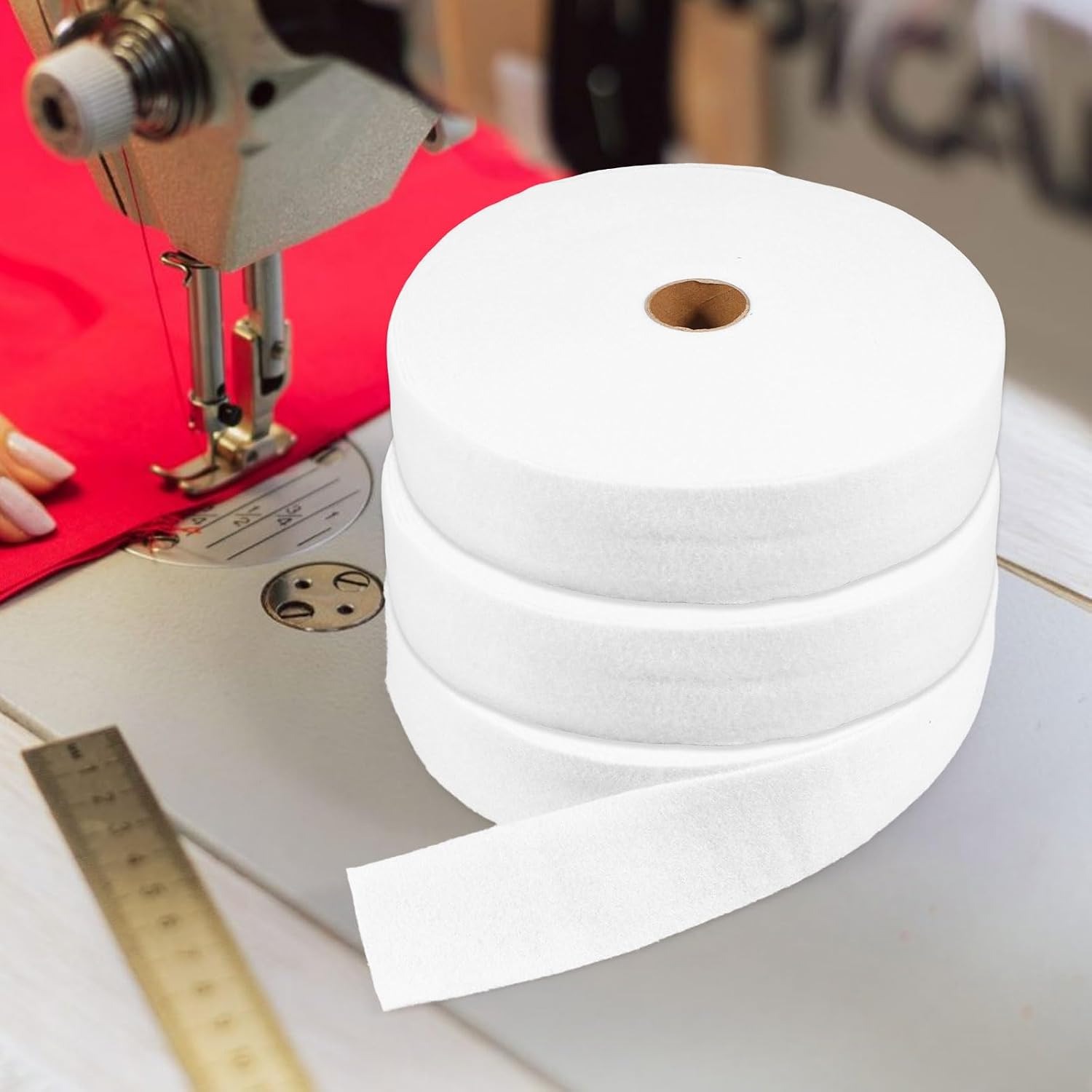
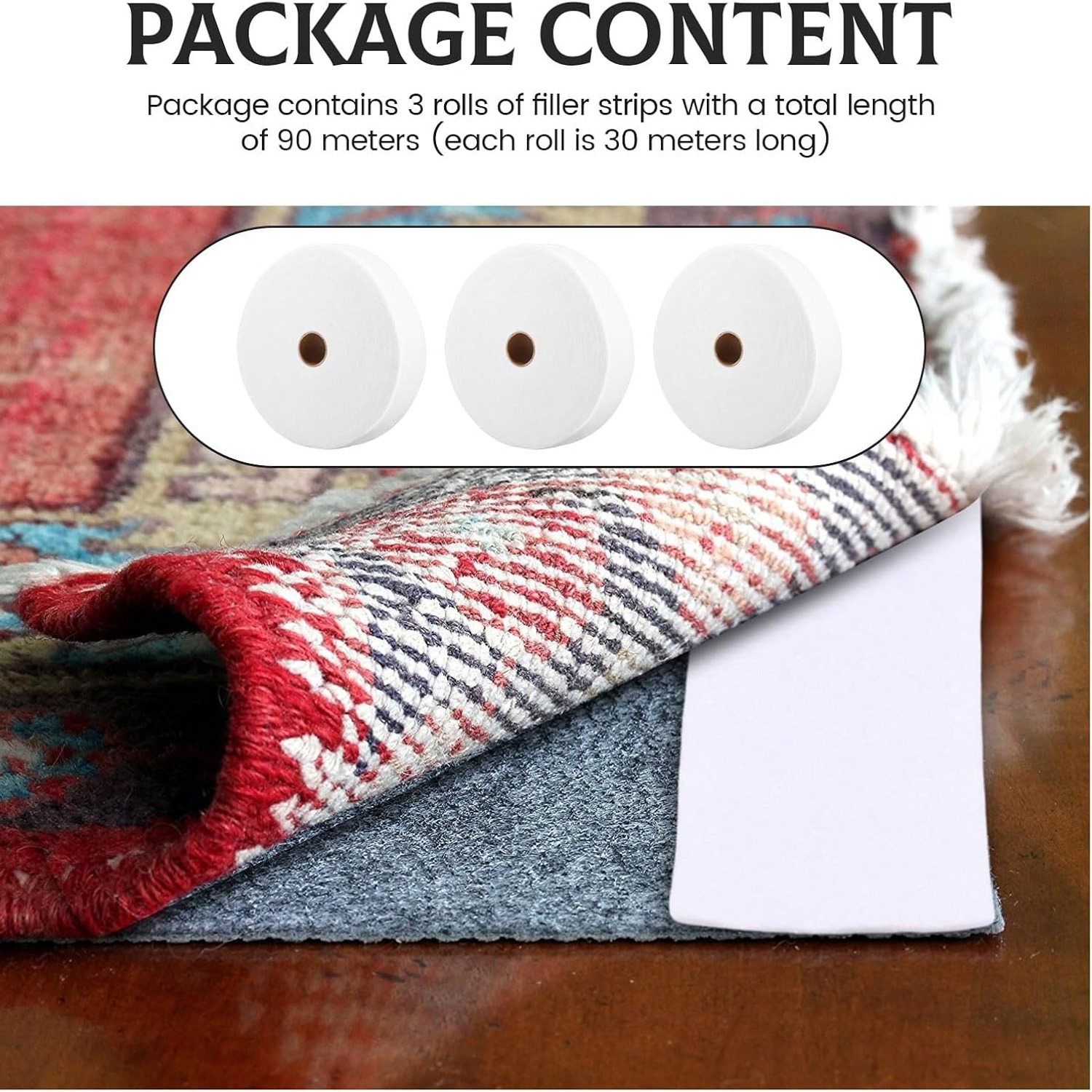
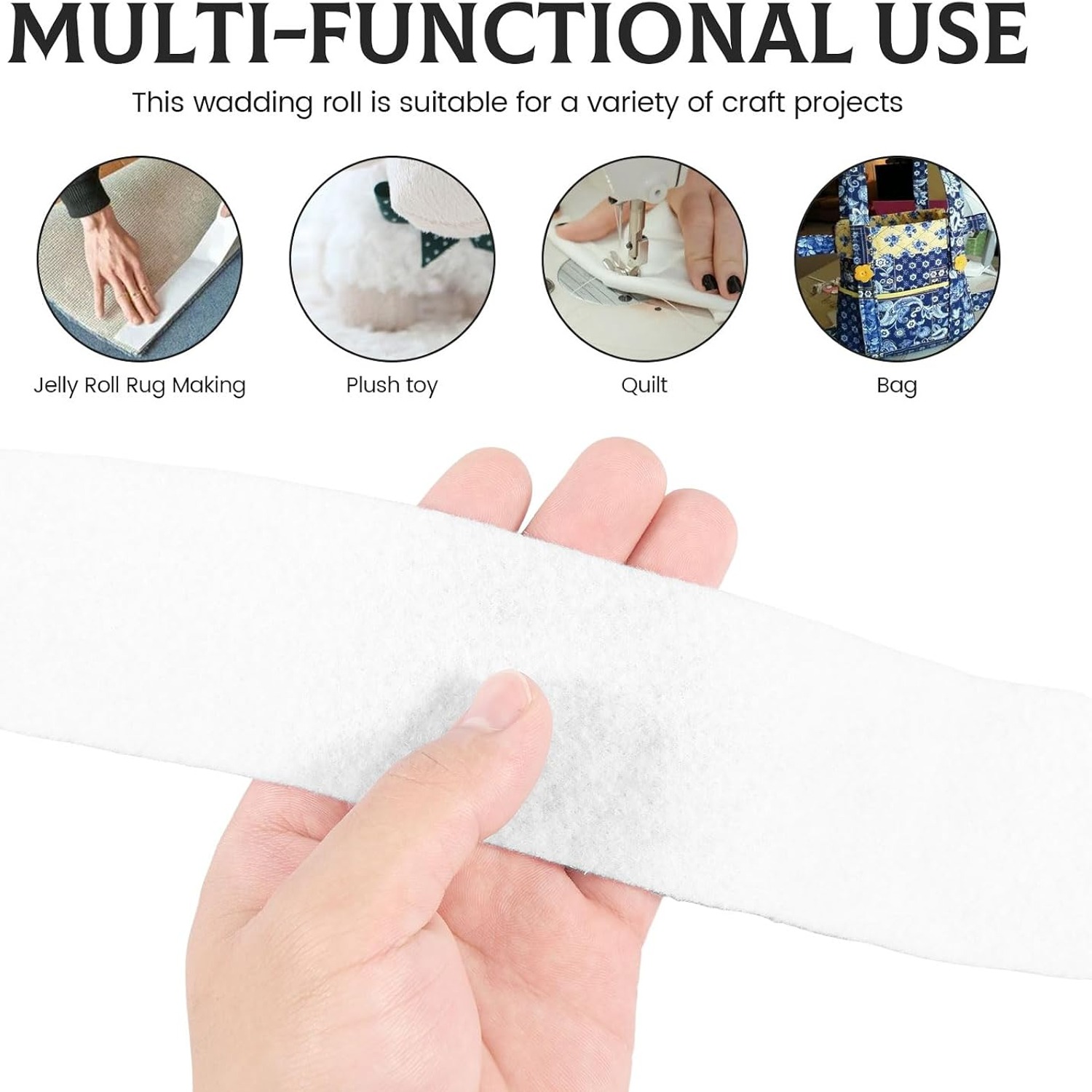
These quilt batting strips come in a pack of three rolls. The maker states a total length of 30 m. They are intended for projects such as jelly roll rugs, quilts, bags and plush toys.
The main question is whether the strip format fits your design. Width and thickness are not stated by the maker, so those details need checking before you commit to a pattern that depends on exact measurements.
What batting does inside a project
Batting is the filler layer within a sewn item. How you place it depends on the design. Some patterns put it between fabric layers. Others wrap fabric around a narrow length of batting before the covered strip is joined or shaped.
That is why jelly roll batting is different to buying a broad sheet for a quilt sandwich. The format can save preparation when narrow pieces are needed, but it does not replace every other kind of wadding.
Follow the construction method in your pattern rather than treating all batting as interchangeable. A bag panel, a quilted strip and a rug may each need a different approach to joining and stitching. This product's listed uses offer starting points, not instructions for making each item.
Understand the pack size first
The pack contains three rolls, with a stated total length of 30 m. Use that total when comparing it with your materials list. Do not calculate your project on the basis of 30 m per roll.
Length is only one part of the decision. A pattern may call for a certain width, a certain loft or a particular fibre. Even enough metres will not make an unsuitable strip fit the design.
Before ordering, read through the whole pattern. Check whether its material allowance includes test pieces, joins and trimming. If it does not, work out what those steps will require before deciding how much batting to buy. There is no stated project yield for this pack.
Check width and thickness before choosing
The maker does not state the strip width in the maker's description. That is an important gap if you want to pair the batting with fabric strips of a fixed size. The fabric needs to cover or contain the filler in the way your instructions describe.
Thickness is also not given. You cannot tell from the roll count or pack weight how much padding a finished layer will have. The listed weight of 810 g is not a substitute for a loft measurement.
If your pattern names an exact batting size, ask for the missing details before buying. This is especially useful for jelly roll rug batting, where the folding method may depend on the relationship between the outer fabric and the filler.
A clear note about the fibre description
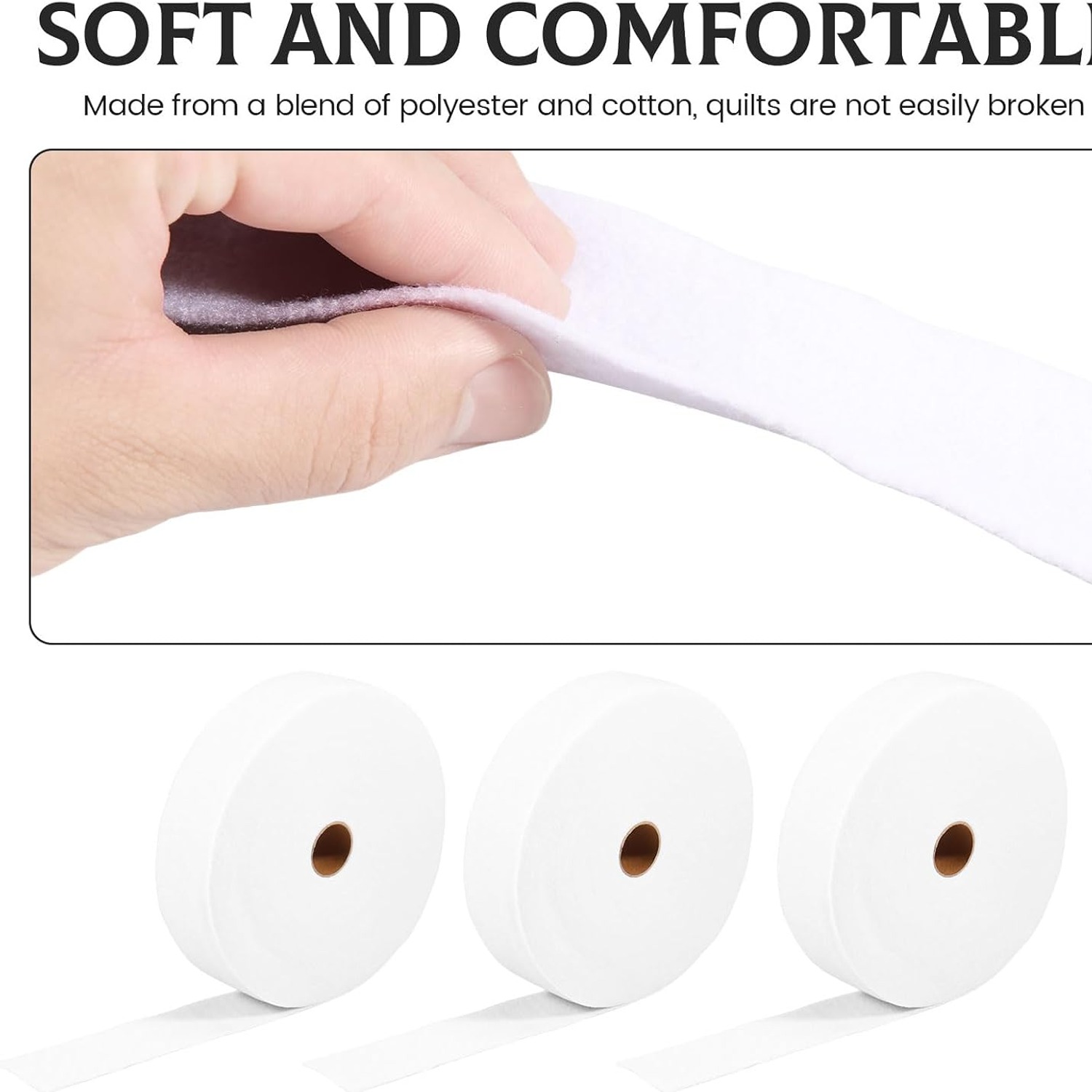
The maker information is not fully consistent about composition. The product details list polyester. Other maker notes describe polyester and cotton blend batting. No fibre percentages are provided.
That means it should not be treated as pure cotton or as a confirmed blend with a known ratio. If you choose materials based on fibre content, seek clarification first.
This matters when you want to match existing supplies or follow a pattern that calls for a specific fibre. The sensible choice is to settle that question before cutting. A product photograph cannot confirm a fibre blend, and a general reference to cotton blend batting does not tell you the proportions.
Where strip batting may be useful
Jelly roll rug making is one of the listed applications. For this kind of project, check the batting requirements in the rug instructions, including any advice about joining lengths. The rolls provide a strip format, but the maker does not give a finished rug size.
Bags are another listed use. Consider what you want the filler to do within the bag. Padding and firm structure are different needs. No stiffness rating is supplied here, so do not assume this bag batting will replace a stabiliser named in your pattern.
Quilts and plush toys are also mentioned by the maker. For quilts, confirm that the construction uses strips rather than a full batting sheet. For toys, follow a suitable design and do not infer safety approval from a suggested craft use.
Is this a useful choice for a beginner?
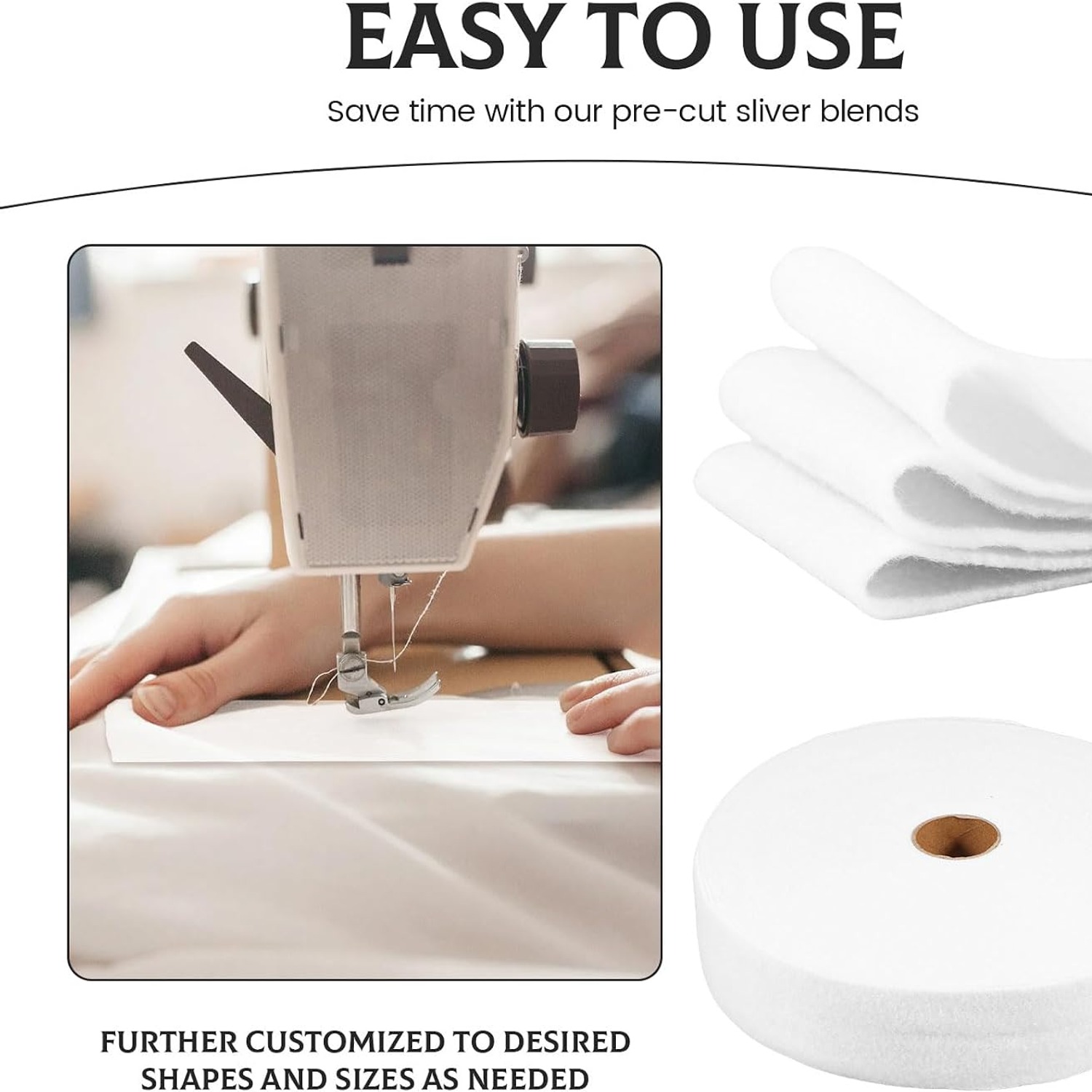
Pre-cut batting strips remove one preparation task, which may appeal if you are still getting comfortable with measuring and cutting. You will still need to match the material to your pattern and handle the layers carefully.
Choose a project with clear instructions and a manageable first stage. Read ahead before trimming any of the rolls. That gives you a chance to spot details such as joining methods or care requirements that could affect your choice.
A small sample is worth making before a full project. It lets you see how your outer fabric folds around the filler and how the layers behave under your chosen stitch. It also helps you decide whether the result suits the finish you want.
Plan your first sewing session
Start by checking the pack while it is still unused. Look at the batting and compare its actual measurements with the requirements of your pattern. Keep the packaging until you are satisfied that the product is suitable.
Next, set aside enough material for a small trial. Use the same outer fabric and the same layer arrangement you plan to use in the finished item. A test with different layers may not answer the questions that matter.
Follow your machine's guidance when choosing a needle and settings. Machine compatibility is not stated for these craft batting rolls. There is no universal setting supplied with the maker's description, so it would be unwise to promise that one stitch length or needle will suit every project.
Think about joins and leftovers
A three-roll pack means your project planning should account for separate lengths. The maker does not state the length of each individual roll, so avoid assuming an equal split when a pattern calls for one uninterrupted piece.
If your design permits joins, use the joining method set out in its instructions. A join that works inside one type of project may not suit another. Check its position before sewing the surrounding fabric closed.
Keep useful offcuts together so you can assess them for later test pieces or smaller parts. Do not count them as usable project length until you know their measurements. This helps keep a materials estimate grounded in what you actually have.
Match care to the whole finished item
The stated care instruction is hand wash only. That should be part of your project decision from the start, especially if you are making something that will need regular cleaning.
The outer fabric may have different care instructions. When several materials are combined, think about the needs of every component rather than following only the fabric label. A washable outer layer does not establish machine-wash suitability for the batting inside.
No ironing temperature or tumble-drying guidance is provided here. Check for further care information before using heat. If you are making a gift, pass on the hand-wash instruction so the recipient knows how the filler is intended to be cared for.
Check delivery and return details before cutting
A delivery lead time is not stated by the maker. If you are buying for a class, a gift deadline or a planned sewing weekend, check the delivery information for your destination before placing an order.
Once the pack arrives, inspect it before washing or trimming. Change-of-mind returns are available within 14 days of delivery, provided the fabric is unwashed, uncut, unused and in its original packaging. The customer pays return postage.
Faulty or wrongly described goods are put right free of charge. Keep those situations separate from simply choosing a material that does not suit your pattern. Checking the missing specifications in advance can help avoid that disappointment.
The short version
This pack offers three rolls of quilt batting strips with a maker-stated total length of 30 m. The pre-cut format is intended for strip-based craft work, with rugs, quilts, bags and plush toys among the suggested uses.
Choose it by matching the material to your pattern, not by roll count alone.
Then inspect the pack before cutting, make a small test and plan for hand-wash care. Those simple checks give you a clearer starting point for the sewing ahead.