
The complete guide
A Practical Guide to Choosing Black Suede Headliner Fabric
A fresh roof lining starts with the right fabric
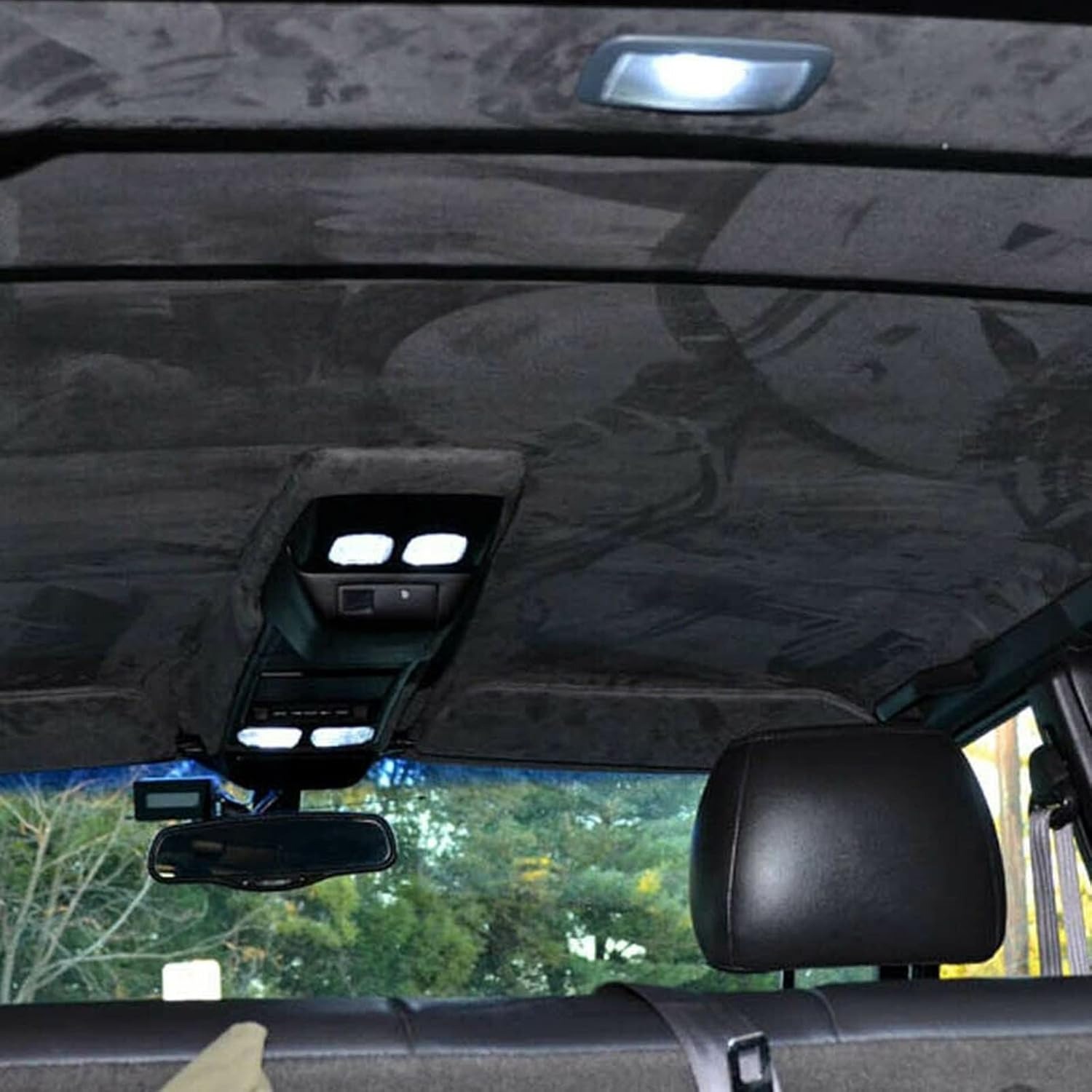
A tired roof lining can make an otherwise tidy car feel neglected. Replacing the visible fabric may be part of the answer, but choosing material by colour alone can lead to trouble. The piece must cover the panel, work with its shape and suit the fitting method you plan to use.
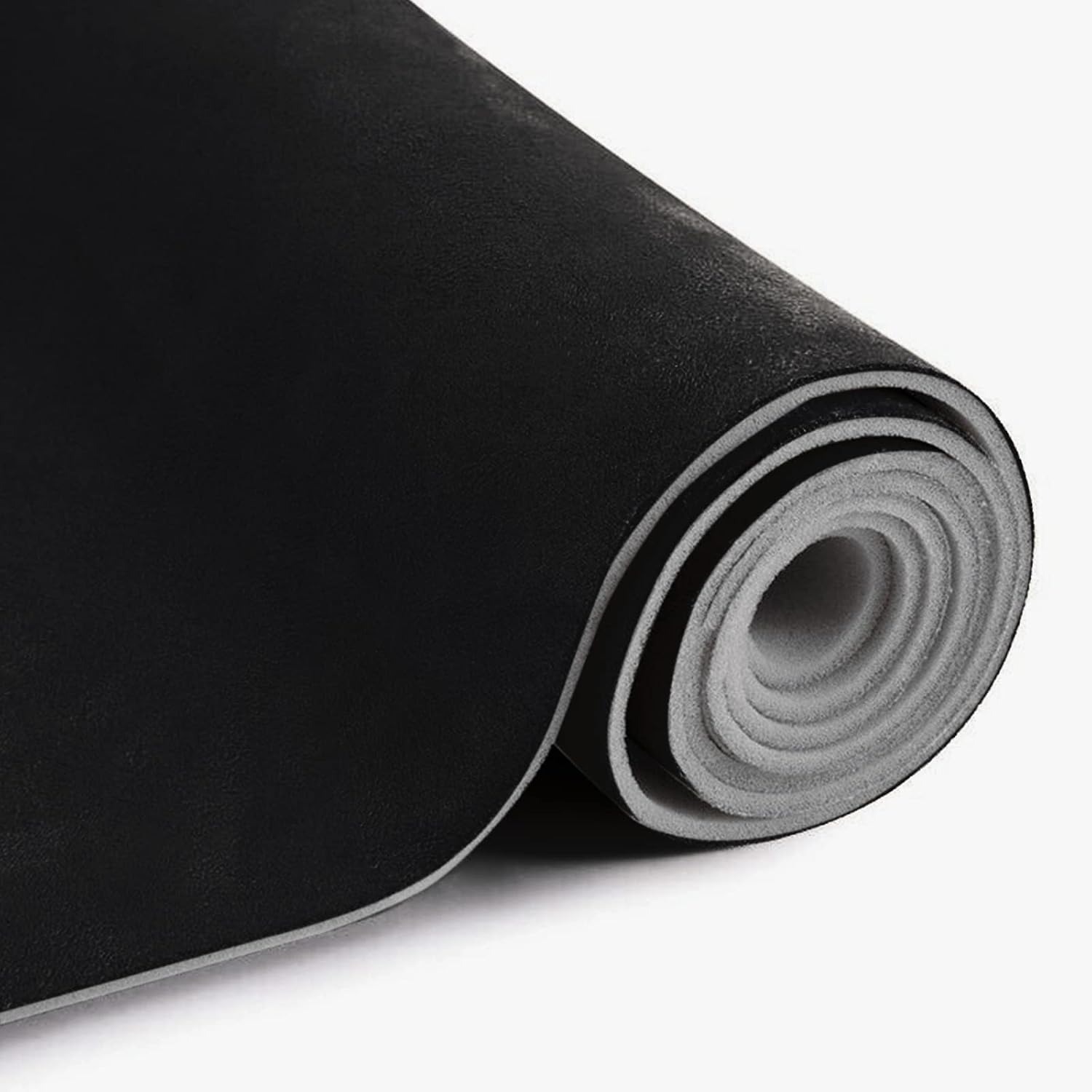
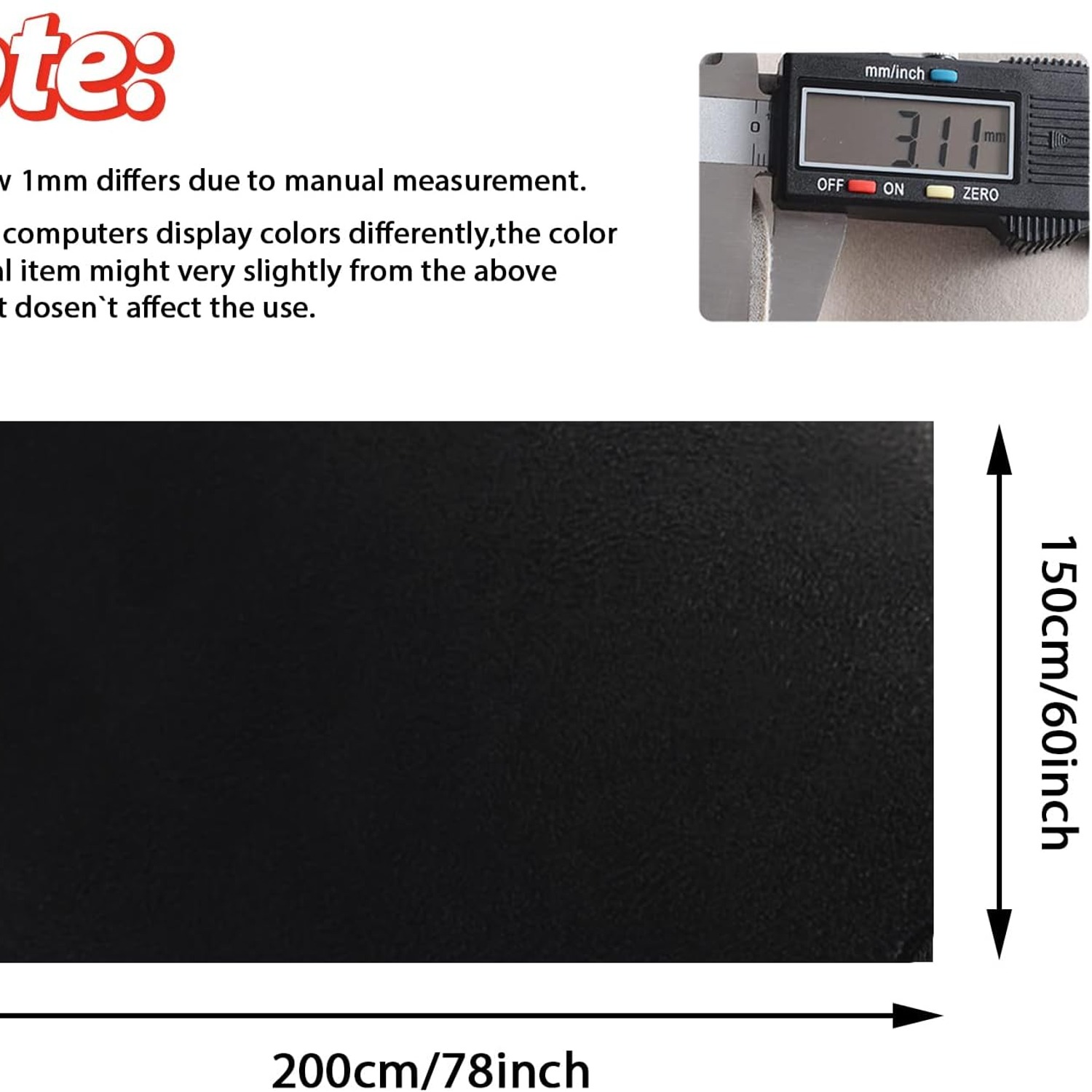
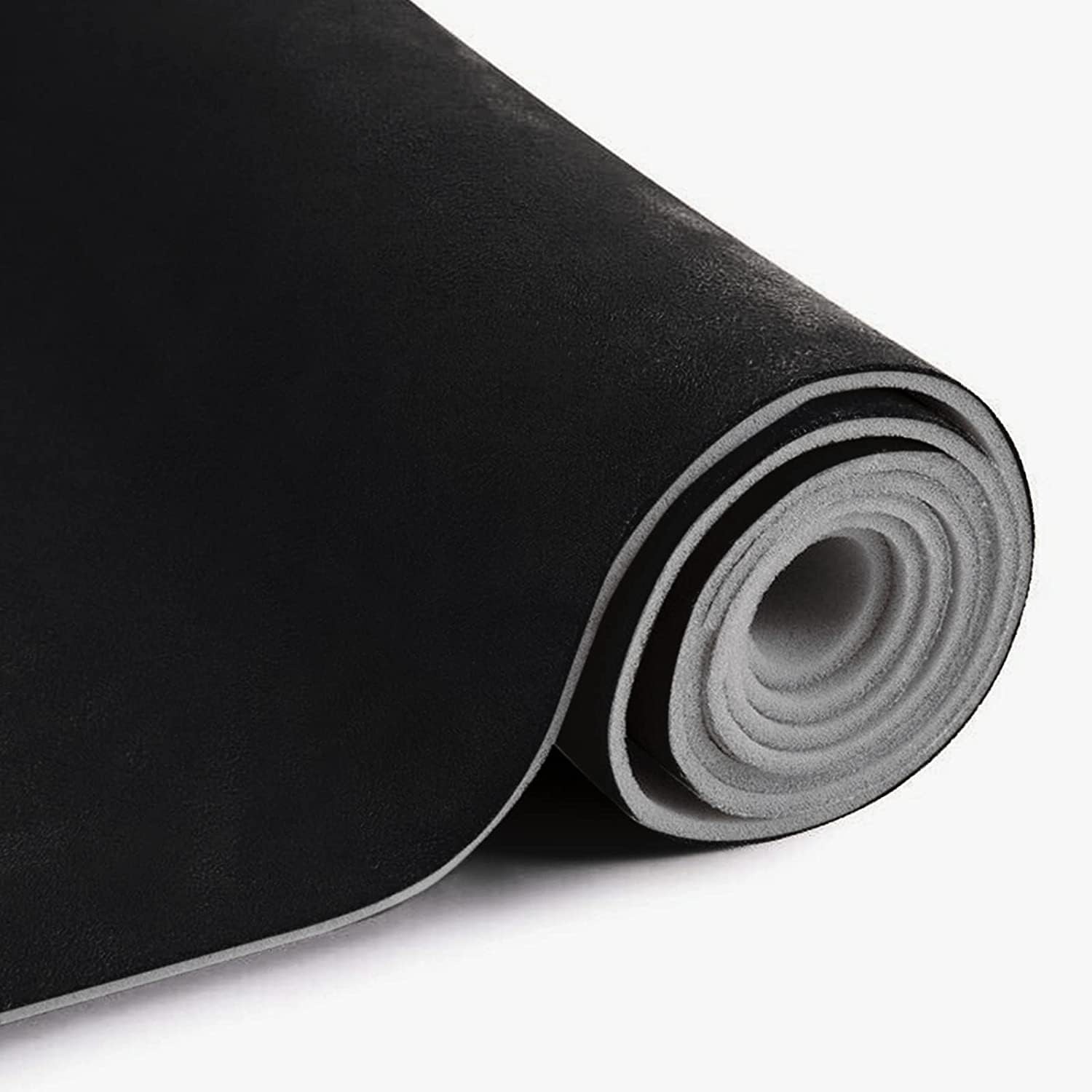
This headliner fabric is supplied as one black piece measuring 2 m (79 in) long and 1.5 m (60 in) wide. It has a suede surface and 3/16 inch foam backing. Those are useful starting points for planning a repair, not a guarantee that it will fit every vehicle.
Before ordering, look at the whole job. Is the board sound? Can you remove it safely? Have you allowed enough fabric for the edges? A little preparation is easier than discovering a shortage after the first cut.
What foam-backed fabric brings to the job
Foam backed roof lining combines a visible fabric surface with a soft layer behind it. Here, the backing is listed as 3/16 inch thick. The product details describe the material as polyurethane (PU) and the fabric type as suede.
The foam adds a soft layer, but it is not a substitute for a sound panel. New fabric will not repair a broken board or correct a poor bond underneath. If the existing lining is falling away, assess the old covering and the panel before deciding how to proceed.
The maker does not give a stretch rating, total combined thickness or adhesive specification. These gaps matter when a panel has deep curves or tight clearances. Ask for advice rather than assuming that all foam backed upholstery fabric behaves alike.
Measure the panel, not just the visible roof
The finished area you see from the seats is not always the full area you need to cover. Fabric may need to follow curves, reach into recesses or wrap around edges. A measurement taken straight across the visible roof can miss that extra material.
Measure the panel at its longest and widest points. Then consider the path the fabric must follow across its shape. Account for the fitting allowance your installation method needs, rather than treating the supplied dimensions as an exact finished-panel size.
If your project needs more than 2 m in one direction or 1.5 m in the other, do not rely on stretching it to bridge the gap. No stretch performance is stated.
A paper layout can help you check smaller panels too. Draw the pieces you need, including their allowances, before deciding whether they will fit within the available fabric.
Decide whether black suede suits the interior
Black headliner fabric can form part of a coordinated interior with dark trim. Still, colour is only one part of the choice. Consider the existing pillars, sun visors, grab handles and any panels that will remain unchanged.
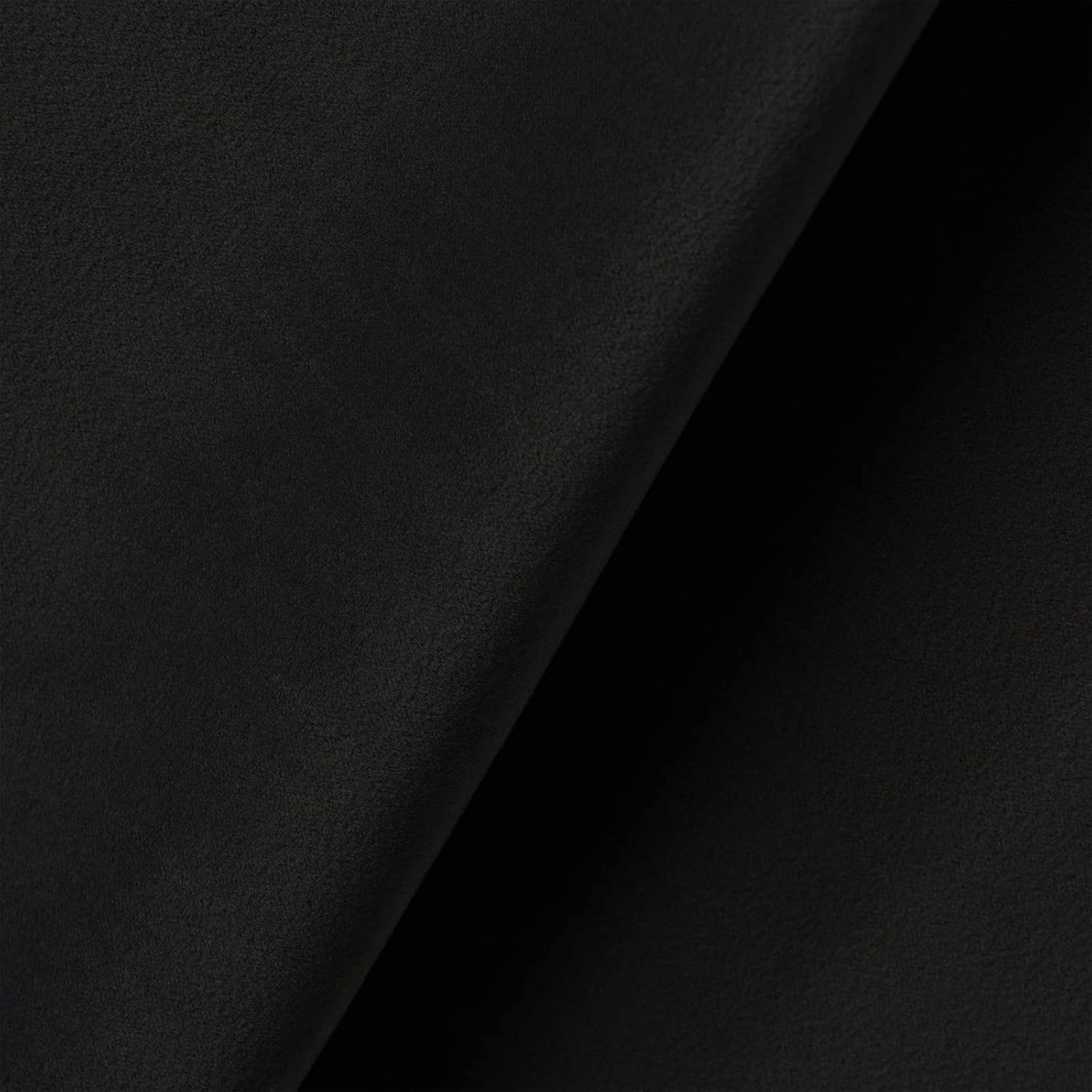
The listed pattern is solid, while the recorded weave type is herringbone. The fabric is described as suede, but it is not identified as genuine leather. The material description is polyurethane (PU), so buyers seeking animal-hide suede should not assume this is the same thing.
When assessing any suede-style surface, check how it looks from different directions before cutting. Plan the orientation of neighbouring pieces together. That is especially useful if you want to use the same black suede upholstery fabric on a roof and a smaller trim panel.
Match the material to the application
Headliners, sunroof panels, door panels and RV interiors are among the listed uses. The maker's description also mentions seats, marine interiors and home furniture. These suggestions show the range of projects to consider, but they are not test results for every setting.
A stationary roof panel has different demands from a seat that is rubbed each time someone gets in. A sunroof panel has moving parts and clearance limits. A boat interior may face moisture or sunlight that a sheltered panel does not.
Abrasion ratings, waterproofing and UV resistance are not specified. Nor are certifications or a vehicle compatibility list. If your application depends on one of those properties, get it confirmed before buying.
For a straightforward interior trim fabric project, focus on the surface, shape and installation requirements. For a demanding or exposed application, seek more detailed suitability advice first.
Plan the adhesive and preparation separately
The supplied contents are one piece of fabric. Adhesive is not listed as included, and the product is not stated to be self-adhesive. Foam backing does not mean there is a peel-off layer ready to stick to the board.
Choose the bonding method with help from an adhesive maker or an experienced upholsterer. They will need to know the fabric has a foam backing, what the panel is made from and where it will be used. Follow the adhesive's own preparation and application instructions.
Inspect the old panel before adding new material. Loose residue or damaged areas may need attention under the chosen fitting process. If you are unsure how to remove trim or work around vehicle equipment, get help before dismantling the interior.
Good replacement headliner fabric cannot make up for rushed preparation. Treat the condition of the base and the choice of adhesive as separate decisions that both need to be right.
Check the piece before making permanent changes
The fabric arrives folded, not rolled. Give yourself space to open it and lay it flat before judging the surface or marking a layout. The maker suggests leaving it flat for a few hours to allow delivery folds to settle.
Do not assume that heat is the next step if a crease remains. No ironing or steaming instructions are provided. An untested heat treatment could create another problem, so ask for guidance before trying it.
Inspect the size, surface and backing while the piece is still uncut and unused. Keep the original packaging. This makes it easier to assess the material calmly and preserves the stated return option if it does not suit your plans.
Photograph or note any issue before starting work. If something appears faulty or different from the description, raise it before washing, trimming or fitting the fabric.
Lay out the job before reaching for scissors
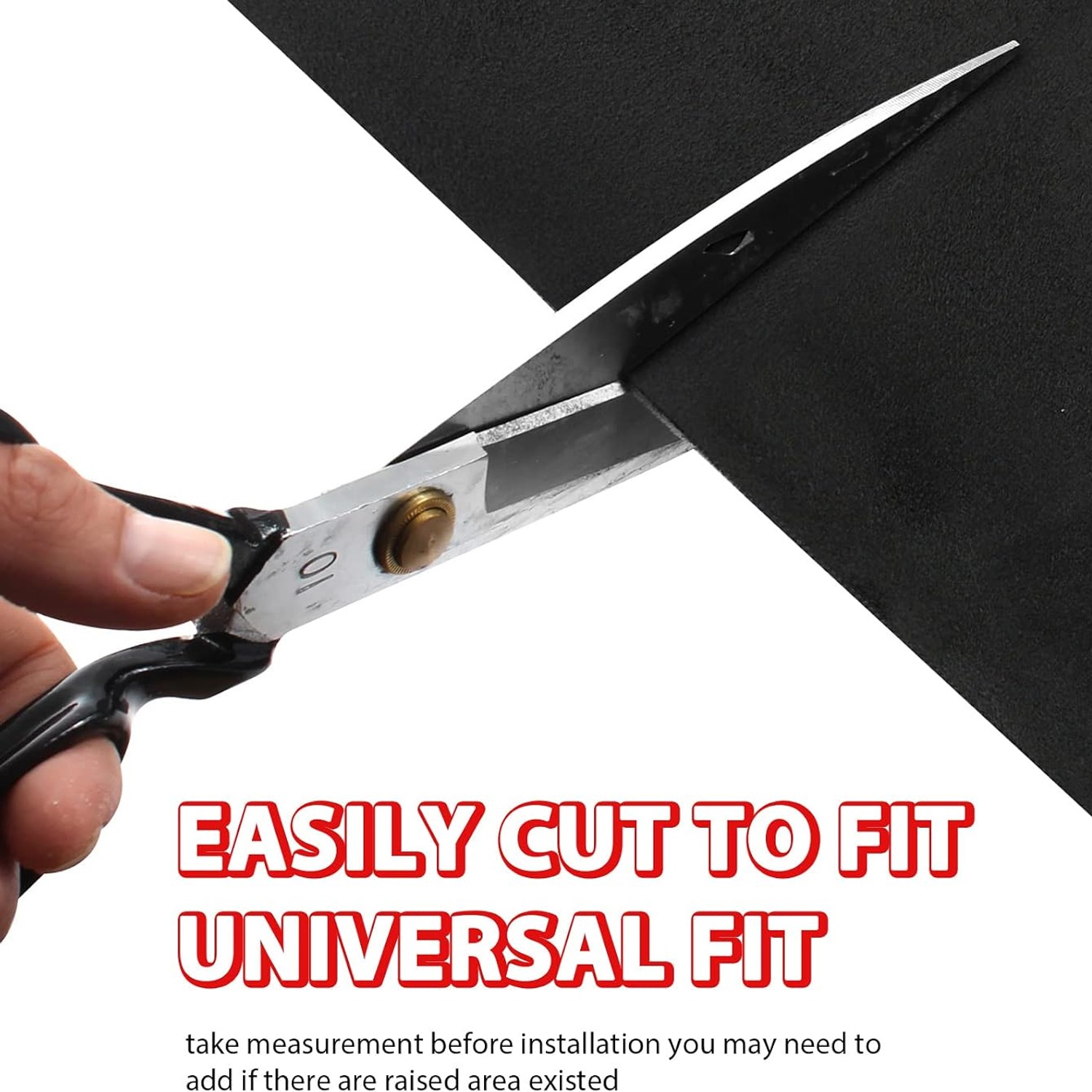
Once you have decided to keep the material, work through the layout in full. Check which side faces out, how each panel will sit and where extra fabric is needed around edges. Marking a plan is less costly than guessing.
For a roof panel, think about the whole shape rather than starting from a convenient corner. For several smaller pieces, check their shared direction and spacing before cutting any of them. Leave openings and final trimming to the stage required by your fitting method.
A fixed-size piece gives you a clear boundary to work within. It does not guarantee enough material for a roof plus matching door panels. If you want a coordinated result, calculate every piece first.
Keep the work area clean and clear. Set aside enough time to follow the adhesive instructions without having to rush through an awkward section.
Care depends on whether the fabric is fitted
The stated care instruction is hand wash only. Machine washing is not supported by that instruction. Detailed guidance on detergents, water temperature and drying is not provided.
Loose fabric and installed car roof lining fabric need different care decisions. Once bonded in place, cleaning can affect the adhesive and the board as well as the visible surface. Check the fitting products' care advice before wetting an installed lining.
Test any proposed cleaner on a small concealed area first. Avoid assuming that a product suited to another upholstery material will suit this one. If there is a stubborn mark, seek advice rather than moving straight to stronger products.
If you are still deciding whether to keep the fabric, do not wash it. The stated change-of-mind return terms require it to remain unwashed, as well as uncut and unused.
Allow time for delivery and assessment
No delivery lead time is supplied in the maker's description. Check the delivery estimate for your address before booking installation or taking the vehicle apart. It is sensible to have the material inspected and ready before starting a time-sensitive repair.
The return window is 14 days from delivery. For a change-of-mind return, the fabric must be unwashed, uncut, unused and in its original packaging. The customer pays return postage.
Faulty or wrongly described goods are put right free of charge. That is different from discovering that the chosen piece is too small for your panel, which is why measuring before purchase matters.
The short version
Choose this car headliner material if its black suede surface, foam backing and fixed 2 m x 1.5 m size suit your project.
Inspect it on arrival, lay it flat and plan every cut. A careful choice at the start gives your roof lining or trim project a better foundation.