
The complete guide
Choosing and Using Medium Weight Iron On Interfacing
A collar can look right when it is freshly pressed, then lose its shape as soon as you handle it. Other sewing details can feel too soft even when the stitching is neat. Sometimes the missing part is a support layer beneath the outer fabric.
Iron on interfacing adds that layer. It helps you change how a section of fabric behaves without replacing the fabric you chose for its colour, texture or pattern. The important part is choosing support that suits the job rather than adding firmness everywhere.
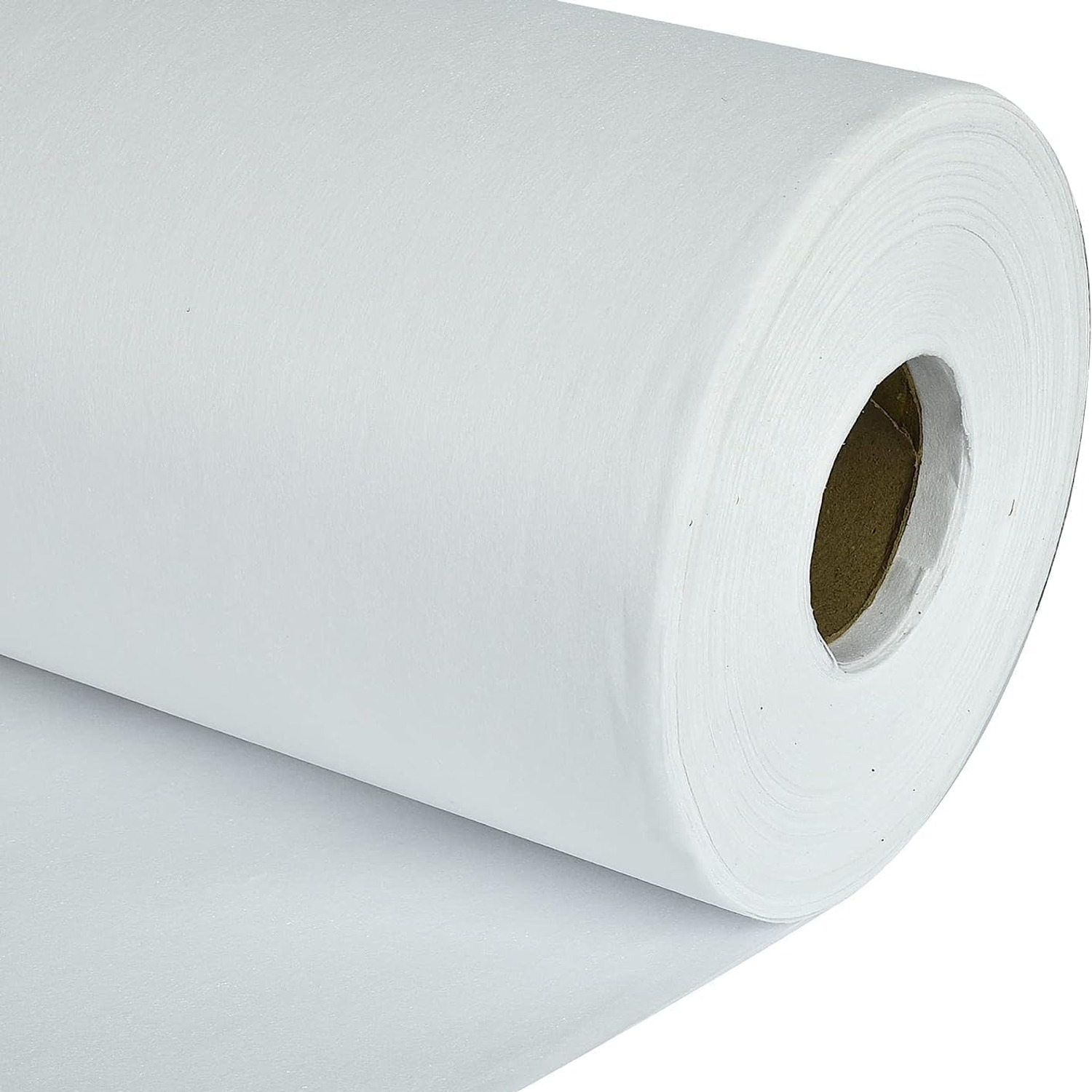
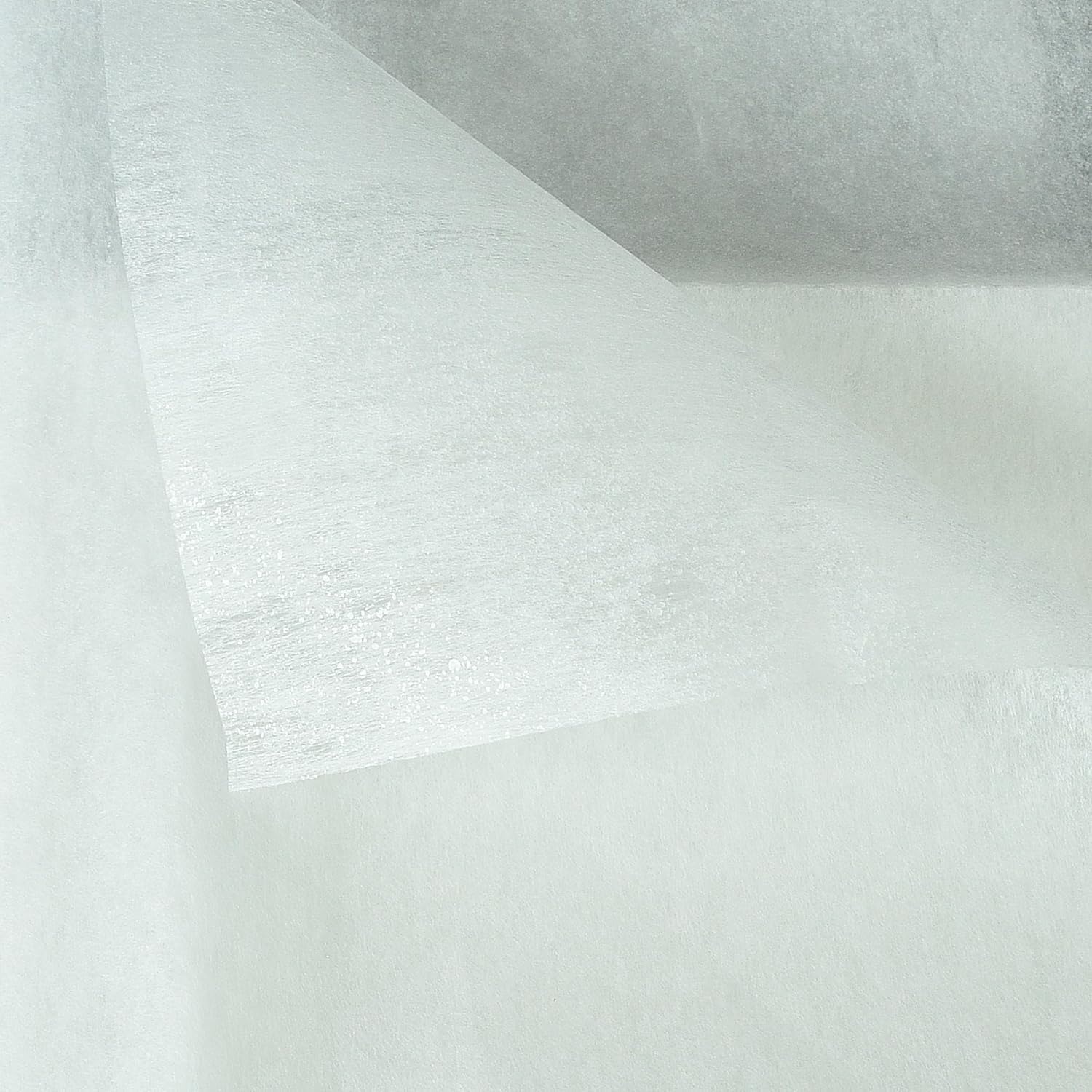
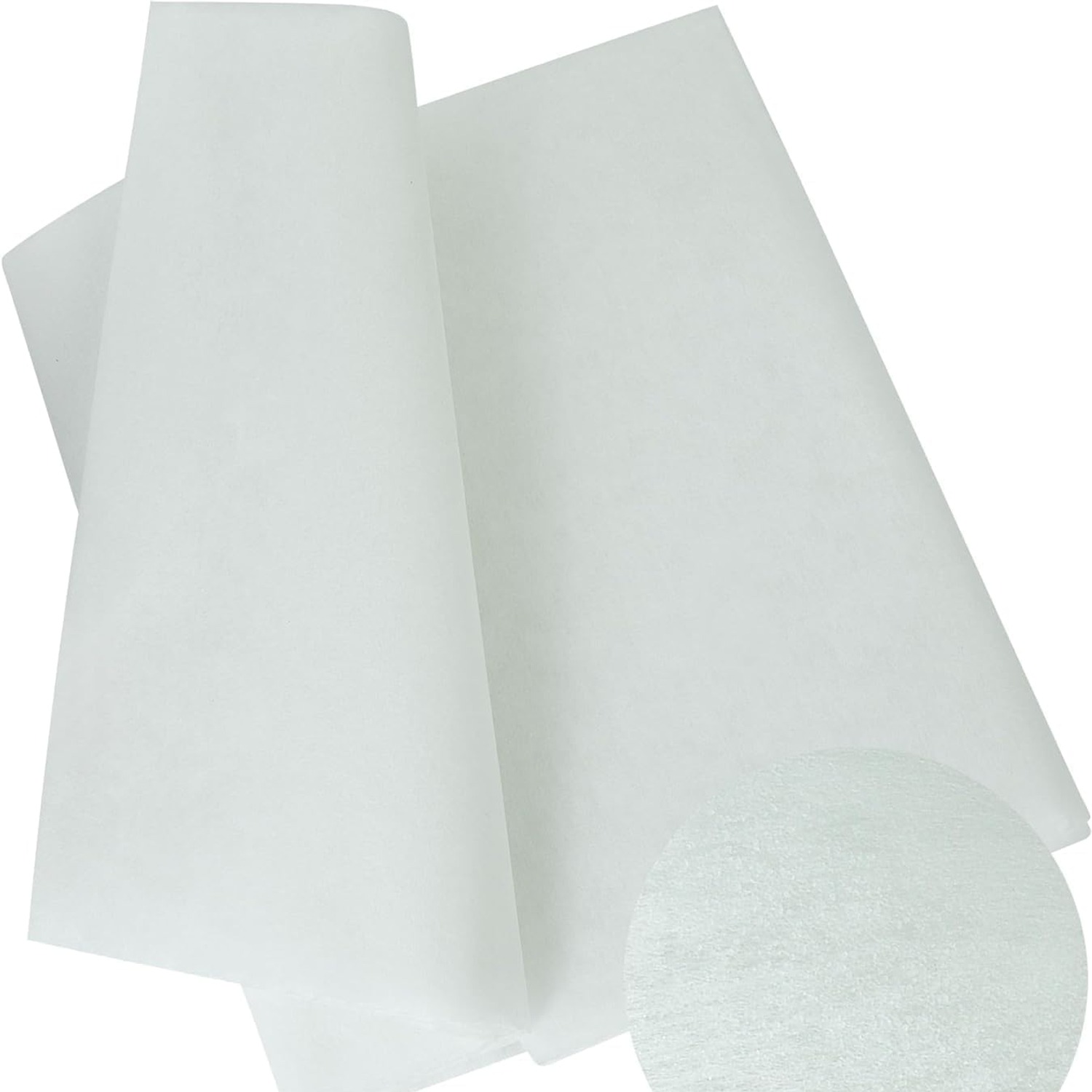
This piece is white, medium weight and fusible on one side. You receive one piece measuring 1 metre long and 90 cm (36 in) wide. Here is how to decide whether it fits your project, and what to check before using it.
What interfacing changes
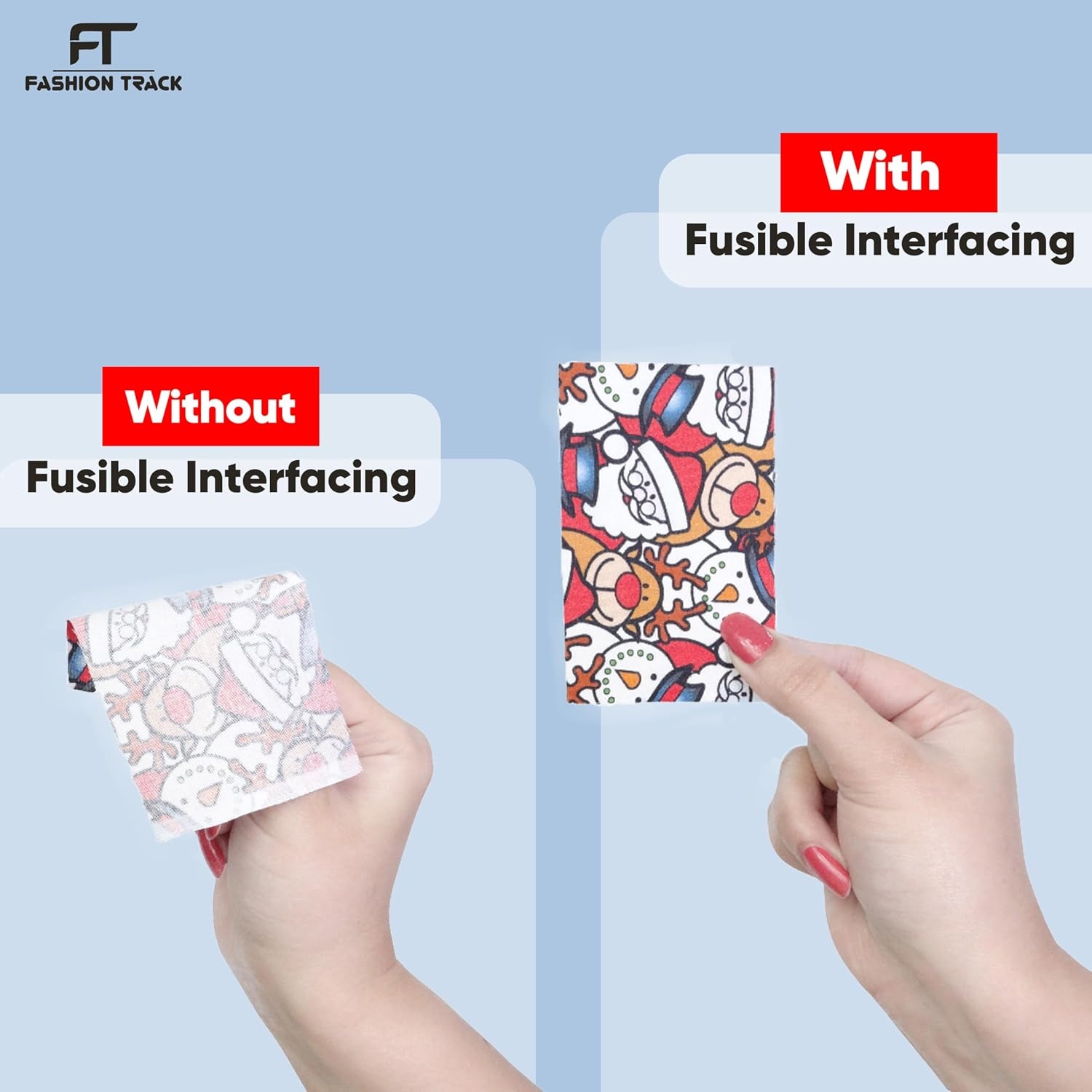
Interfacing sits behind a fabric section to give it more body. In dressmaking, that can help a collar or another detail hold a more defined shape. In craft work, it may help a soft material behave more firmly during assembly.
The finished result depends on the combination of outer fabric and interfacing. A layer that feels modest on its own can make a noticeable difference once bonded. That is why looking at the interfacing alone is not enough.
Think about the finished item in use. Does the section need to bend gently, stand more firmly, or simply feel less flimsy? Those questions are more useful than choosing the heaviest support available. Extra stiffness is not always an improvement.
How this fusible fabric works
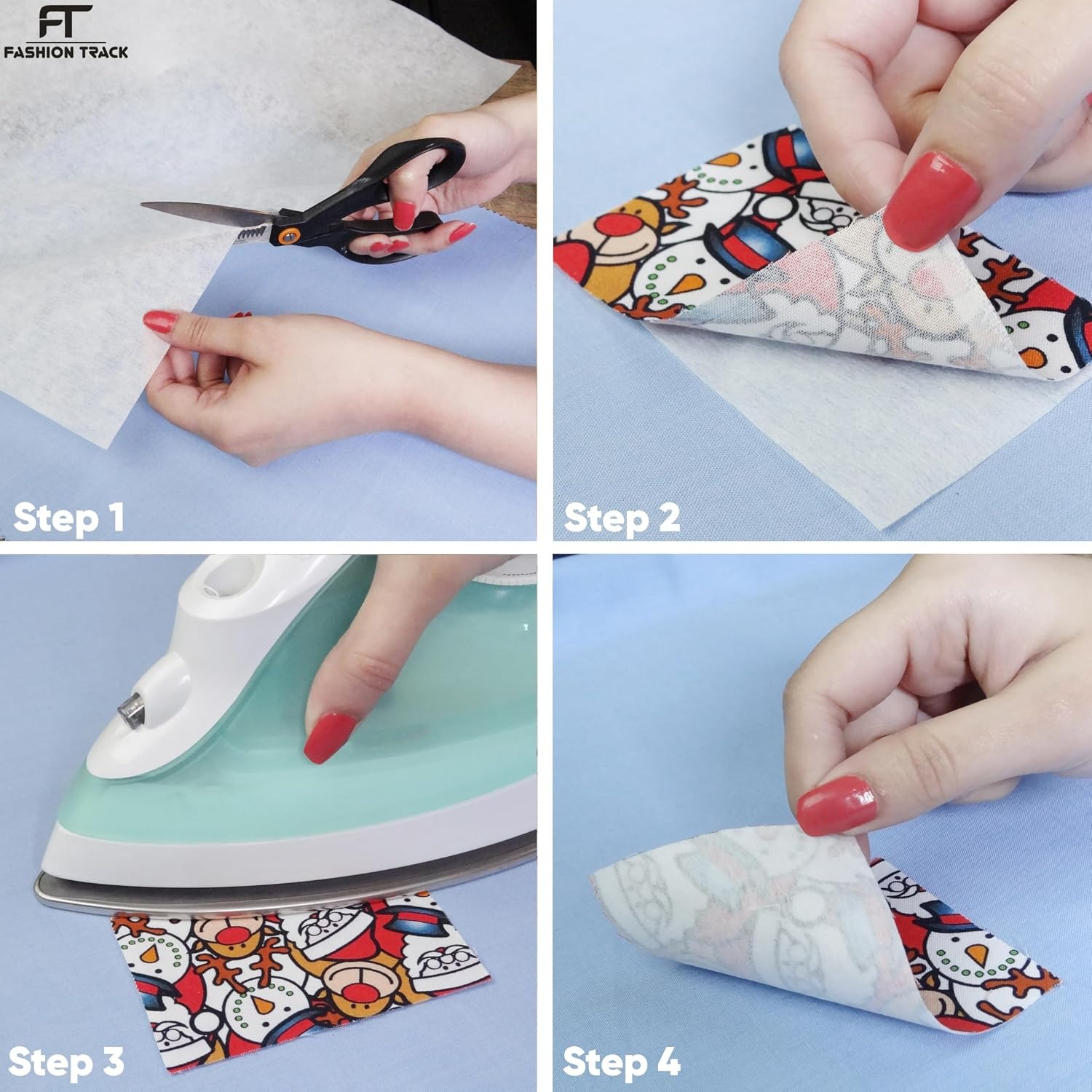
This is single sided fusible interfacing. One side carries adhesive, which is activated with heat to bond the support layer to a suitable fabric. It is different from a sew-in product, which is held in place by stitching rather than a fused bond.
It is also different from double-sided bonding web. If you want to attach one fabric shape directly to another, check the materials called for by that method. A single adhesive side does not perform the same task as an adhesive layer designed to join two surfaces.
The maker does not give an iron temperature, pressing duration or steam setting. Follow any instructions supplied with the piece. Avoid borrowing a setting from another fusible product, since its application needs may differ.
Understand the material and weight
The listed blend is 80% polyester and 20% viscose, with a non-woven construction. The texture is described as soft and smooth. Those details help identify the product, but they do not tell you exactly how it will feel behind every fabric.
Medium weight is the support class. It is not a measured fabric weight in grams per square metre. The listed item weight is 50 g, which is a separate figure and should not be used as a substitute for a fabric weight rating.
If your pattern specifies a particular type of dressmaking interfacing, start there. A pattern calling for a stretch or sew-in layer may need something different. Matching the support type matters as much as matching its general weight.
Check the size before planning your cuts
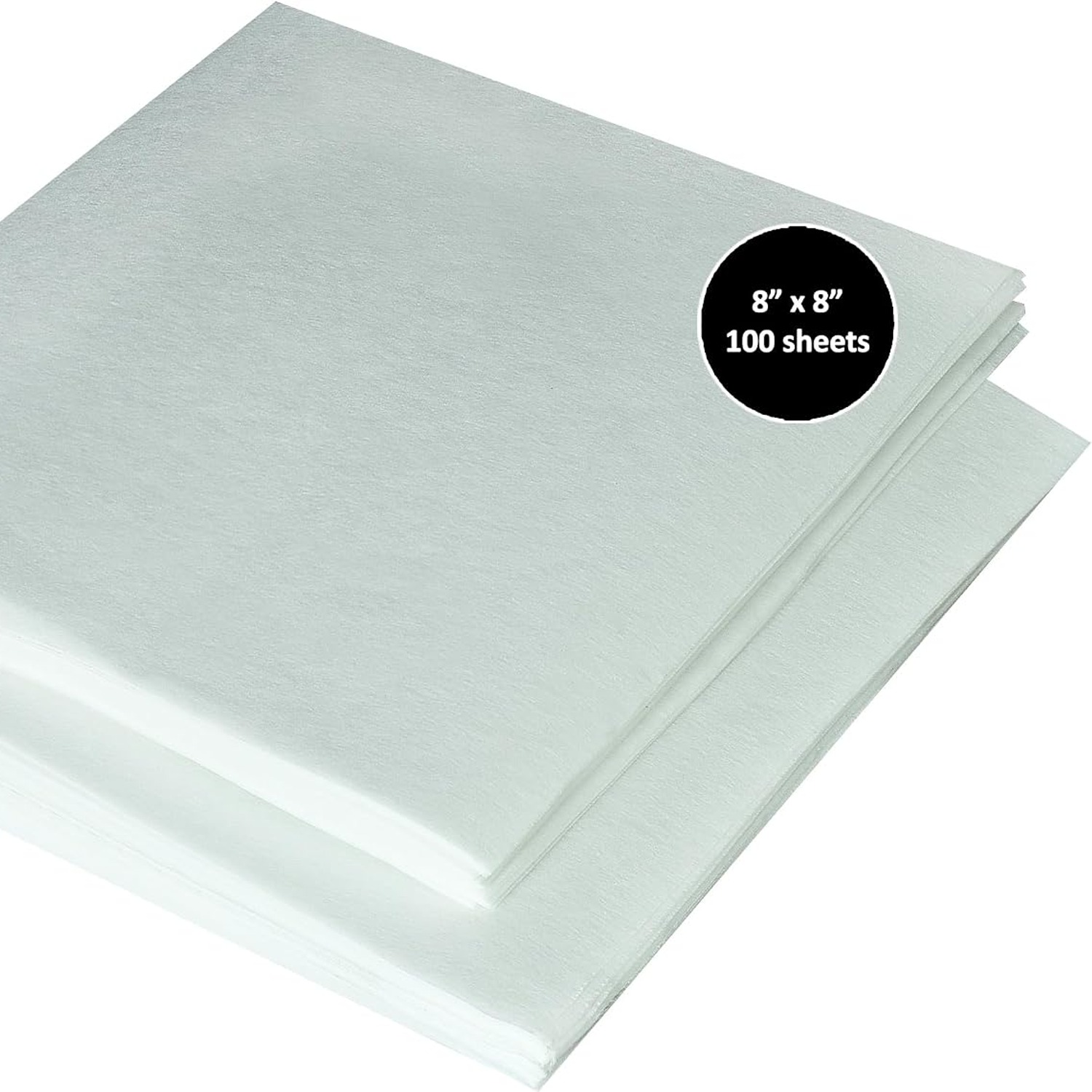
The supplied size is one metre long by 90 cm wide. It is one defined piece, not a custom cutting service. Plan around that usable shape rather than assuming the width matches another interfacing you have bought before.
Gather all the pattern sections that need support and make a trial layout. Leave space for a test sample. Small sections can be easier to arrange than large ones, but a large number of small pieces can still use more material than expected.
Do this before cutting your main fabric if possible. It gives you time to spot a shortfall and avoids stopping midway through assembly. Your pattern's cutting notes should guide the layout and any direction requirements.
Decide whether your outer fabric is suitable
The maker describes this medium weight fusible fabric for use with light and medium weight fabrics. That is a starting point, not a guarantee for every fabric in those groups.
Check the outer fabric's heat tolerance first. If it cannot be ironed, a heat-bonded support may not be suitable. For fabrics with a textured surface, a delicate finish or a strong tendency to stretch, take extra care with testing.
Appearance matters too. White iron on interfacing may affect how a thin or dark fabric looks. Hold the layers together in good light, then assess a fused sample. Look from the right side, since that is the surface people will see.
Make a sample before the real pieces
A useful test uses an offcut of the actual project fabric. A similar-looking scrap may react differently to heat or adhesive. Keep the sample large enough to handle and bend once the layers have cooled.
Follow the supplied application directions and let the sample cool before judging it. Check whether the bond holds evenly and whether the outer surface has changed. Then feel the sample rather than only looking at it.
Fold it gently and compare it with the unsupported fabric. Is it firmer than you want? Does it still move as the project needs? This simple check can save a carefully cut collar or garment section from an unsuitable pairing.
Use a controlled pressing method
Set up a stable pressing surface and keep your layers flat. Identify the adhesive side before bringing in the iron. If you are unsure which side it is, check the supplied instructions rather than testing against the iron plate.
A pressing action generally gives you more control than sliding the iron across loose layers. Movement can shift the pieces before the bond has formed. A suitable pressing cloth can also help protect your equipment and outer fabric during testing.
Do not invent a longer pressing time to solve every bonding problem. First check the instructions, layer placement and fabric compatibility. More heat is not always the right answer, particularly when the outer fabric has a limited heat tolerance.
Where it fits in sewing and crafts
Interfacing for collars is a familiar use because collars often need shape without a padded feel. Tailoring and dressmaking are also listed uses. Let the pattern tell you which sections need support instead of applying it to the whole garment by default.
Crafts, applique, embroidery and quilting appear among the intended uses as well. Each covers many different methods, so check what your particular project requires. A broad use category does not mean one support layer replaces every specialist material.
For example, this sewing fabric stabiliser is not described as tear-away or wash-away. It is also not wadding. Choose it where bonded support is wanted, not where the project depends on removable backing or soft padded volume.
Think about care before assembly
Care decisions should begin before the finished item reaches the wash. Specific laundering settings for this interfacing are not stated by the maker. Check any guidance supplied with it alongside the outer fabric's care label.
If washing is important to your project, test a bonded sample using the intended care method when the instructions allow it. Let it dry and inspect the result. This gives you a better basis for deciding whether to continue with the full project.
Keep unused non woven interfacing dry and away from direct heat. Store offcuts neatly so you can see their size and condition. A small leftover piece may be useful for a later test, even when it is too small for a pattern section.
Check the order before cutting
When the piece arrives, check that it matches the stated colour, type and size before starting work. It is easier to resolve a mismatch while the fabric is still unused and in its original packaging.
The stated change-of-mind return window is 14 days from delivery. Fabric must be unwashed, uncut and unused, with its original packaging, and the customer pays return postage. Cutting a test sample means the piece no longer meets the uncut condition, so make your basic checks first.
Faulty or wrongly described goods are put right free of charge. A confirmed delivery timeframe is not included by the maker, so check the available delivery information before ordering for a project with a fixed deadline.
The short version
Choose this one metre interfacing piece when your project calls for white, medium weight, single-sided fusible support. It is a non-woven polyester and viscose blend intended for sewing, tailoring and a range of craft work.
Then test the bond and finished feel on an offcut. A little checking before assembly is much easier than trying to change the support inside a finished project.