
The complete guide
A Practical Guide to Choosing Cotton Fabric Squares
A smaller starting point for patchwork
Choosing fabric can take longer than sewing it. You may want several prints for a patchwork panel without buying a large length of each one. A pack of smaller pieces gives you a way to compare designs, try a layout and work towards a manageable project.
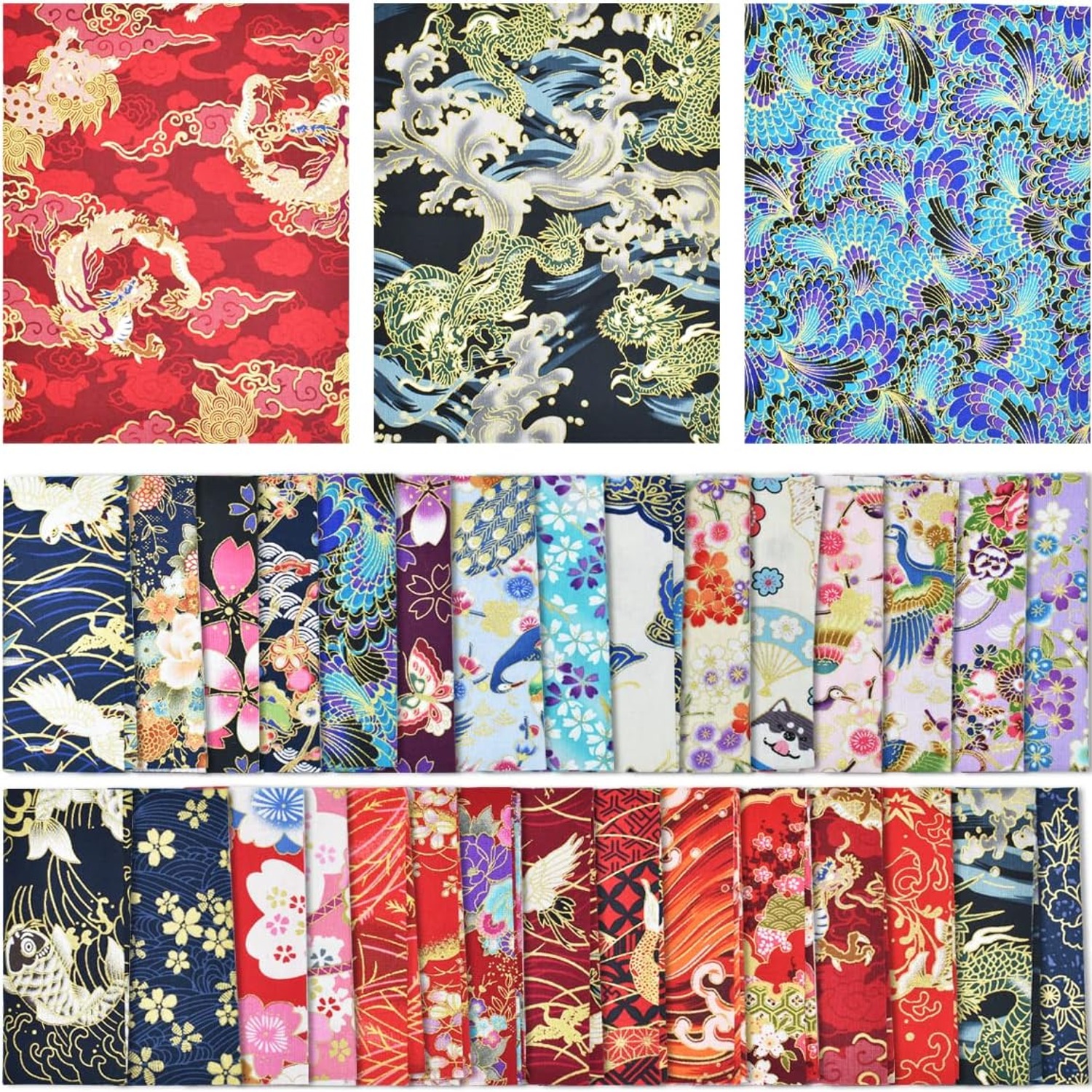
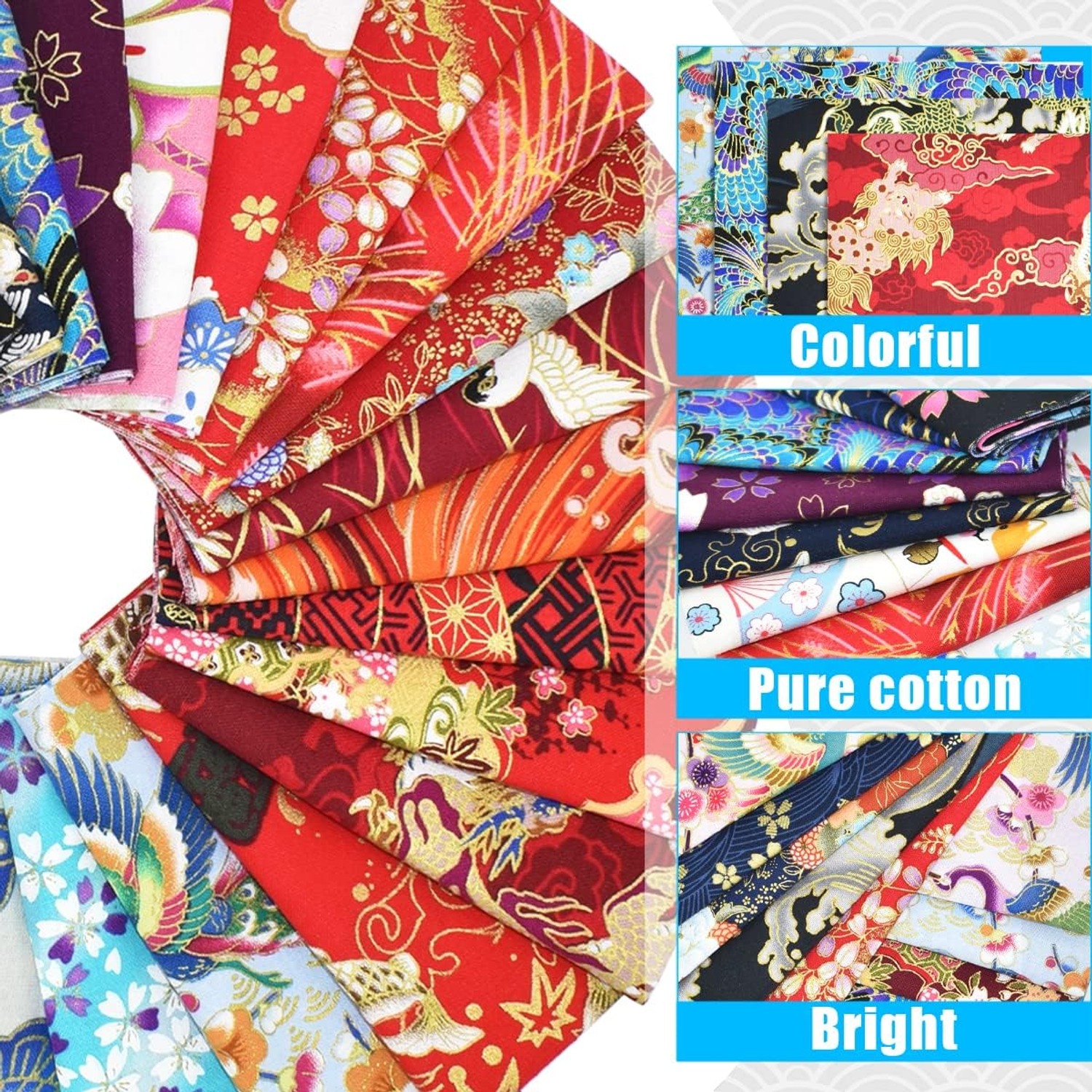
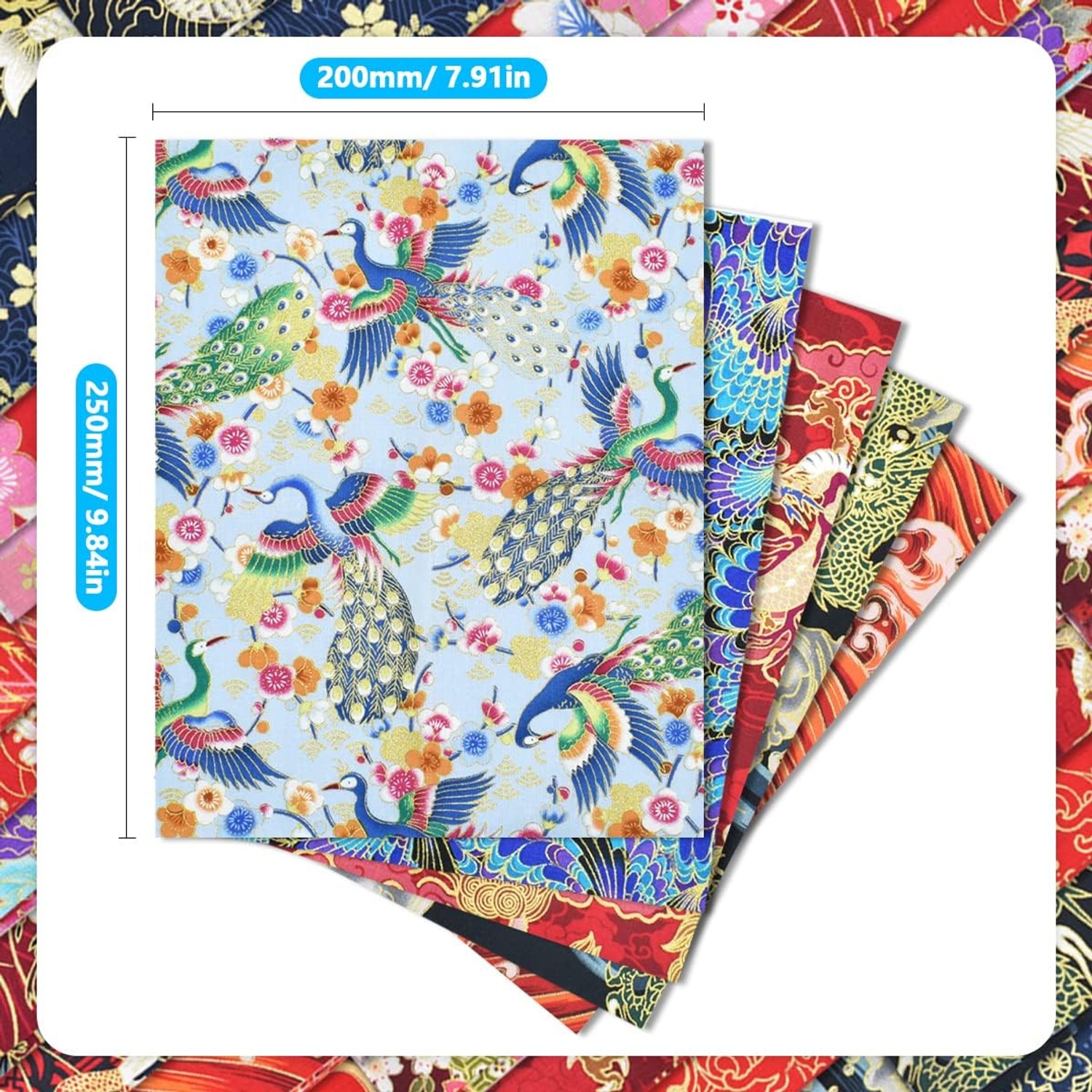
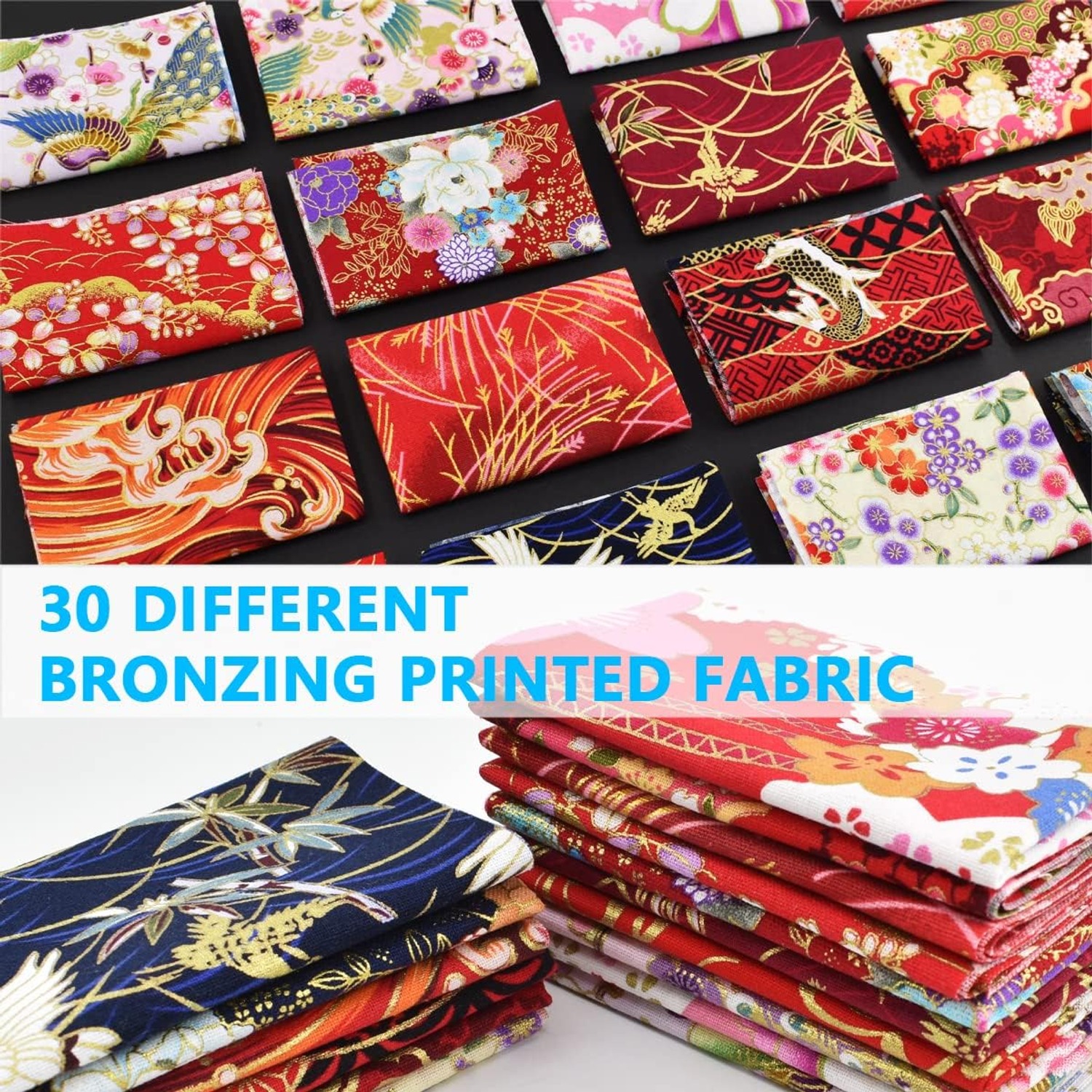
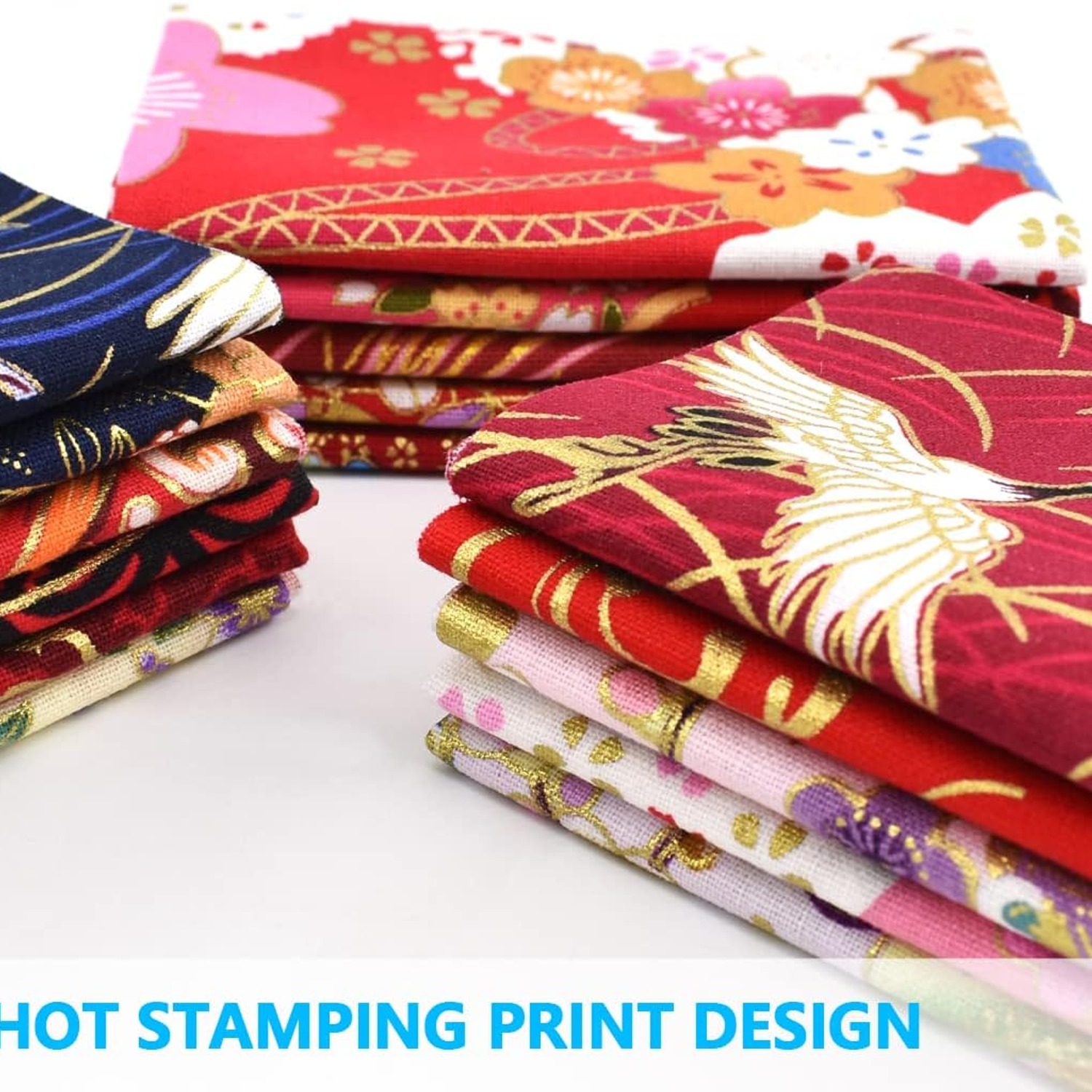
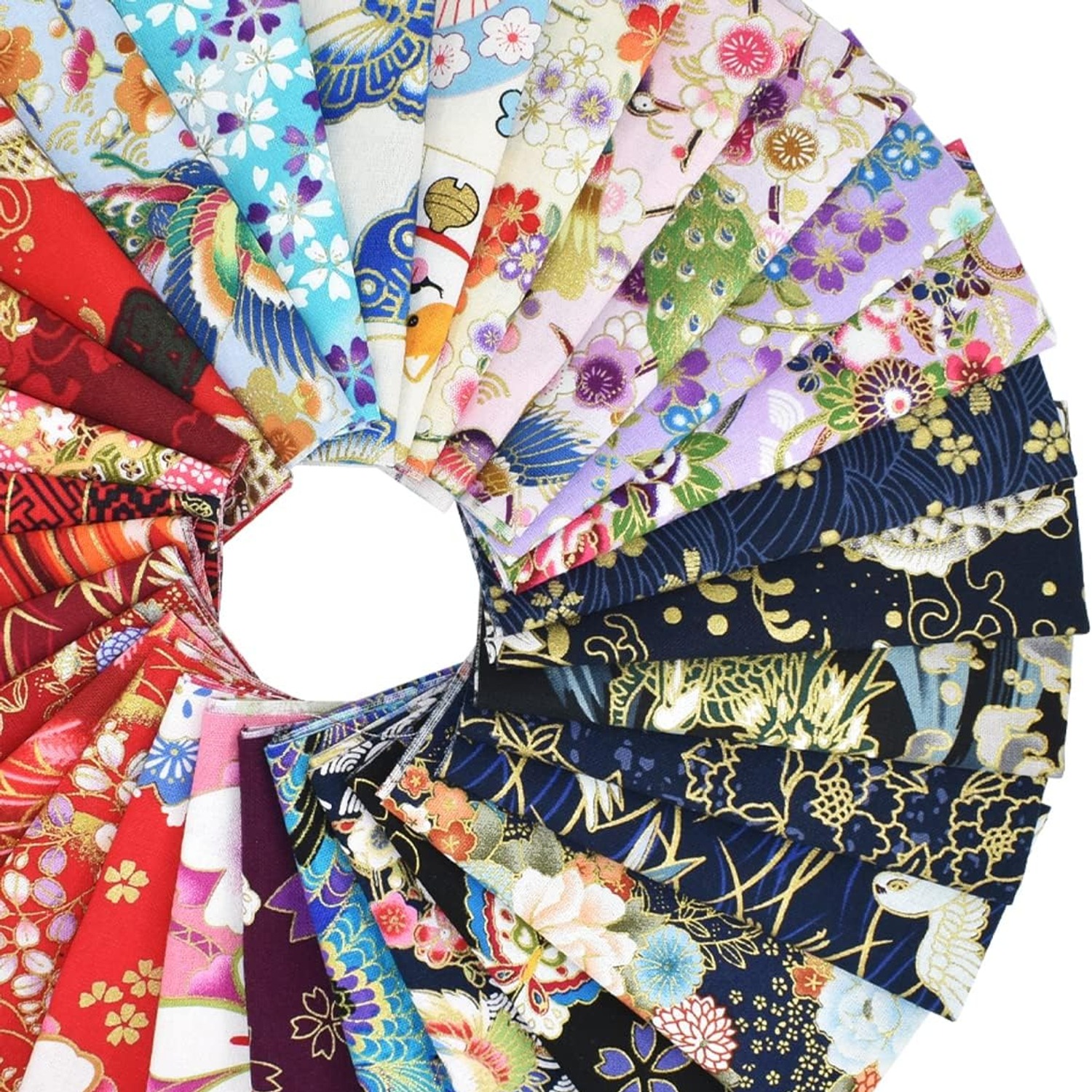
This pack contains 30 printed cotton pieces in varied Japanese-style designs, described as retro style. Each piece measures 20 x 25 cm (8 x 10 in). You can cut them into smaller shapes or join them into a larger panel, depending on your pattern.
The useful first question is not how many things you could make. It is whether these pieces fit the project you actually want to sew. A few minutes with your pattern and a ruler can save a lot of reworking later.
Understand the shape before you buy
The product name uses “cotton fabric squares”, but the pieces are rectangular. Their stated dimensions are 20 x 25 cm, not equal-sided squares. That distinction matters if your pattern calls for a particular precut format.
Do not assume that a pattern written for another fabric pack will work without changes. Compare the required cutting sizes with the dimensions here. If your design needs a square, check that it fits within the shorter side of each piece, with enough room for any trimming.
The pieces are manually trimmed, and small variations or raw edges may be present. Measure the fabric you receive before making precise cuts. Plan around the usable area rather than expecting every edge to be ready for a finished block.
How the bundle works
A patchwork fabric pack provides separate pieces that you arrange, cut and sew into your chosen design. The pack does not decide the finished size or include a fixed project plan. Your pattern and seam allowances determine how much fabric you use.
Start by spreading out the pieces on a clear surface. Look at them together before choosing which ones to cut. Some prints may suit a central panel, while others may work better as smaller details.
Next, make a simple cutting plan on paper. Mark which shapes come from each piece and leave room for seams. This is especially useful when you want a particular print to appear more than once. Cutting without a plan can leave an awkward remnant where you needed a larger shape.
Choosing a project that fits
Small sewing projects are a sensible place to begin with pieces of this size. A patchwork panel, a set of practice blocks or decorative fabric details lets you work within a clear boundary. You can check the layout before committing every piece.
For a cushion panel, compare the finished panel size with your cushion pattern. Joining pieces reduces their combined size because fabric is taken into the seams. You may also need separate fabric for the back, plus a closure and filling.
A larger quilt needs more planning. The number of pieces alone does not tell you the finished quilt size. Borders, block design and other fabric all affect the result. Treat this quilting fabric bundle as part of a measured plan rather than assuming one pack will complete a bed-sized project.
What to know about the cotton
The product details identify the fabric as cotton with a plain weave. They do not state a fabric weight per square metre, thickness or measured shrinkage rate. The listed 240 g weight should not be treated as a measure of fabric density.
This matters when your pattern depends on a particular fabric weight or drape. If you need a close match to fabric you already own, the details here may not be enough to confirm it before purchase.
The words “Japanese style fabric” refer to the designs. They do not confirm where the fabric was made. Country of origin is not specified by the maker, so choose the pack for its stated material, prints and piece size rather than an assumed origin.
Building a layout from mixed prints
A varied print selection gives you choices, but it helps to view those choices together. Lay out your planned blocks before sewing. Step back and look at where your eye goes first.
You might spread similar-looking prints across the panel or group them in one area. Neither approach is a rule. The aim is to choose a layout you like before seams make changes harder.
Try turning a piece around to see how the print reads in a different direction. If your design includes a motif you want to keep whole, place the cutting template over it before cutting. A useful shape on paper may land across a detail you would rather preserve.
Take a photo of the arrangement once you settle on it. That gives you a reference when the pieces move from your work surface to the sewing area.
Hand sewing or machine sewing
The fabric is described as suitable for both hand sewing and machine sewing. Choose the method that suits the project and the way you like to work. A small panel can also be a chance to practise an unfamiliar technique without starting a large piece.
For hand sewing, mark your seam lines clearly enough to follow. Keep the pieces in order as you join them, particularly if you have already planned the print placement.
For machine sewing, test your stitch settings on an offcut first. Check the sample seam before sewing the main pieces. The maker does not specify a needle size, thread type or machine setting, so use your machine guidance and the needs of your pattern.
Check the whole supply list
This is a fabric pack, not a complete sewing kit. The listed contents are 30 fabric pieces. Tools, thread, backing, batting and closures are not listed as included.
Read the full supply list for your project before ordering. A quilt block may be only one part of the finished item. A patchwork cushion also needs a way to close the cover, and a lined craft project needs suitable lining fabric.
It can help to separate what you already have from what you still need. That keeps the fabric choice tied to a project you can finish. It also makes it easier to compare a small-piece bundle with buying a larger length of fabric.
Care before and after sewing
The stated care options are hand wash or dry clean. A wash temperature, drying method and ironing temperature are not given. Check any care information supplied with the pack before treating the fabric.
Testing a small offcut separately is a sensible precaution before washing it alongside other materials. The maker does not provide a measured shrinkage rate or a colourfastness test result. Avoid treating either as guaranteed.
If you plan to wash fabric before sewing, make that choice before your final cutting measurements. Also remember that washing affects change-of-mind return eligibility. Inspect the pack first, confirm that it suits your project, and only then move on to preparation.
For a finished item made with several materials, consider the care needs of every component, including any lining, filling or trim.
Make good use of the remaining pieces
A cutting plan can leave useful offcuts rather than scraps with no clear purpose. Keep larger remnants flat and group smaller pieces where you can see them. Add a note if you want to remember which project they came from.
Fabric scraps for crafts can become practice pieces for testing stitches or checking a seam. They may also fit a later patchwork detail. Before saving everything, think about the smallest size you realistically use.
Store unused cotton craft fabric clean and dry, away from direct sunlight. Keeping the pieces together makes it easier to revisit the print selection when you start another project. You do not need a complex system, just a place where small pieces will not get lost.
Check your order before cutting
When the pack arrives, count the pieces and check their condition. Compare the fabric with the description, then measure for your intended layout. Do this before washing, cutting or beginning to sew.
Delivery timing is not specified by the maker. If you are buying for a class, a gift or a project deadline, check the delivery estimate for your address before ordering.
For a change of mind, returns are available within 14 days of delivery. Fabric must be unwashed, uncut, unused and in its original packaging, and the customer pays return postage. Faulty or wrongly described goods are put right free of charge. Keep your order details handy if you need help.
The short version
This pack gives you 30 printed cotton pieces, each measuring 20 x 25 cm (8 x 10 in), for patchwork and creative sewing. The retro, Japanese-style prints offer a varied starting point for layouts and small projects.
Choose it when the piece size fits your cutting plan. Check seam allowances, allow for raw edges and confirm any extra supplies before you begin. A clear plan turns a collection of fabric pieces into a project you can work on with confidence.