
The complete guide
A Practical Buying Guide to Assorted Colour Felt Sheets
Start with the project, not just the colours
A small craft project can be awkward to shop for. You may need several colours but only a little of each. Buying larger pieces can leave you with more fabric than you need, while a single shade may limit the design you had in mind.
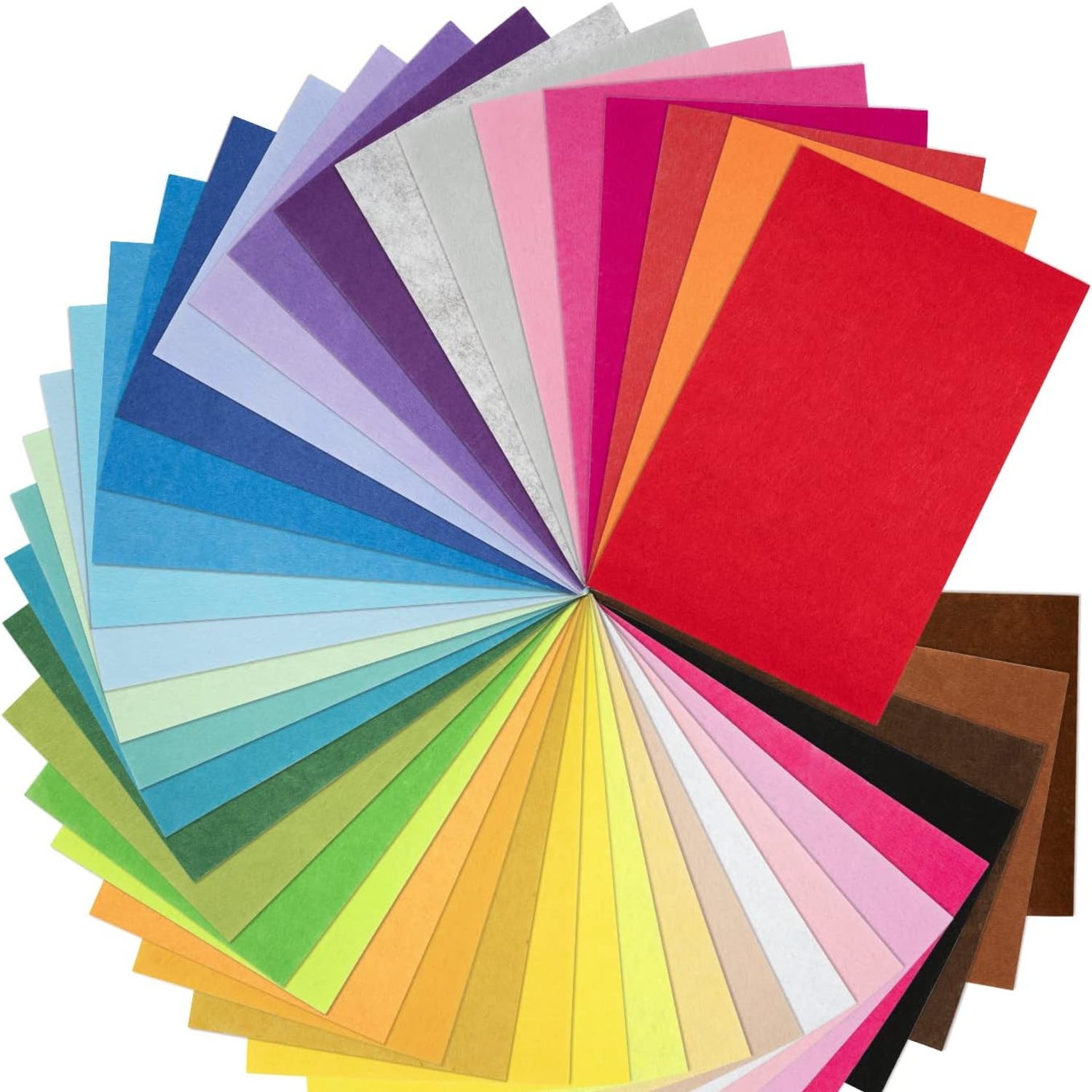
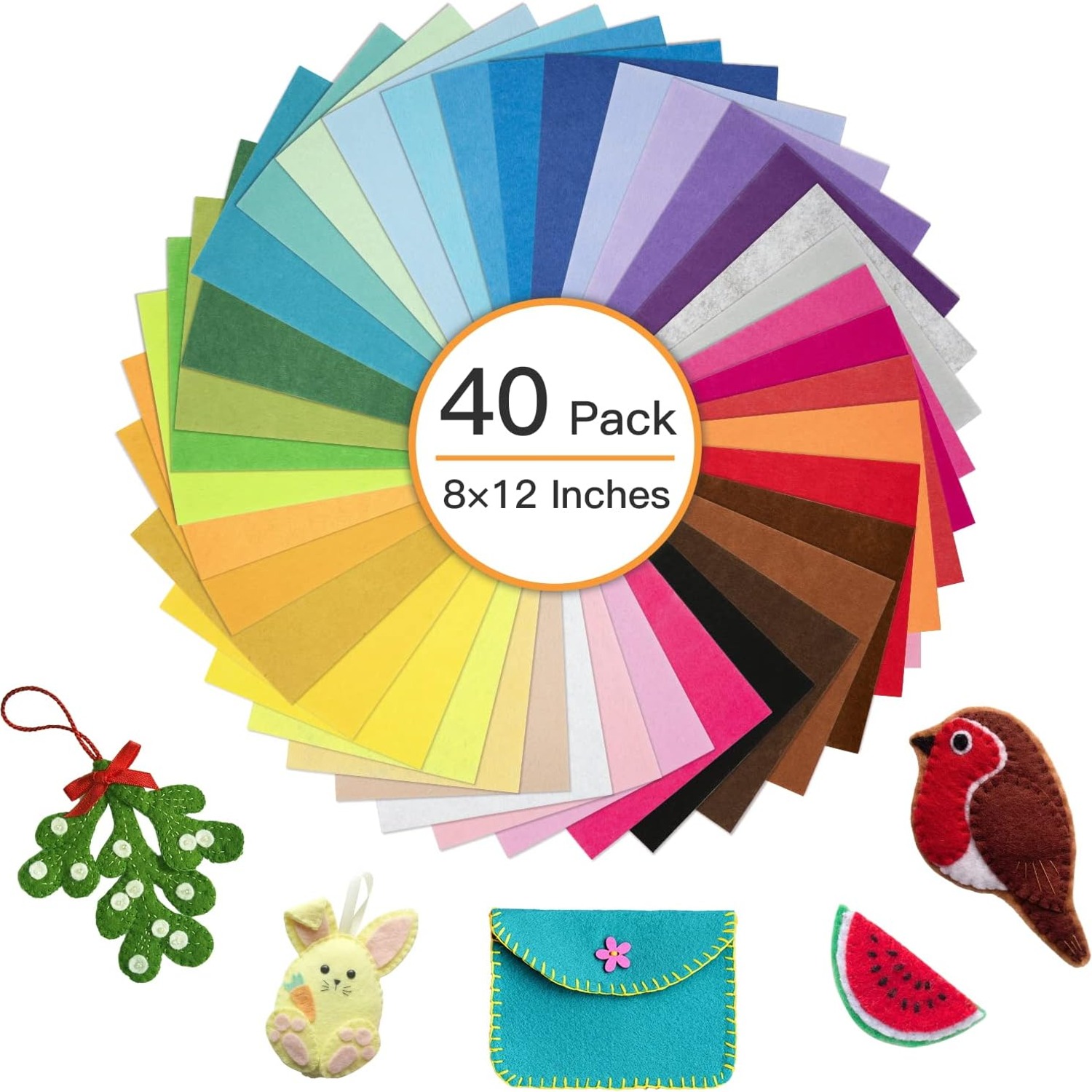
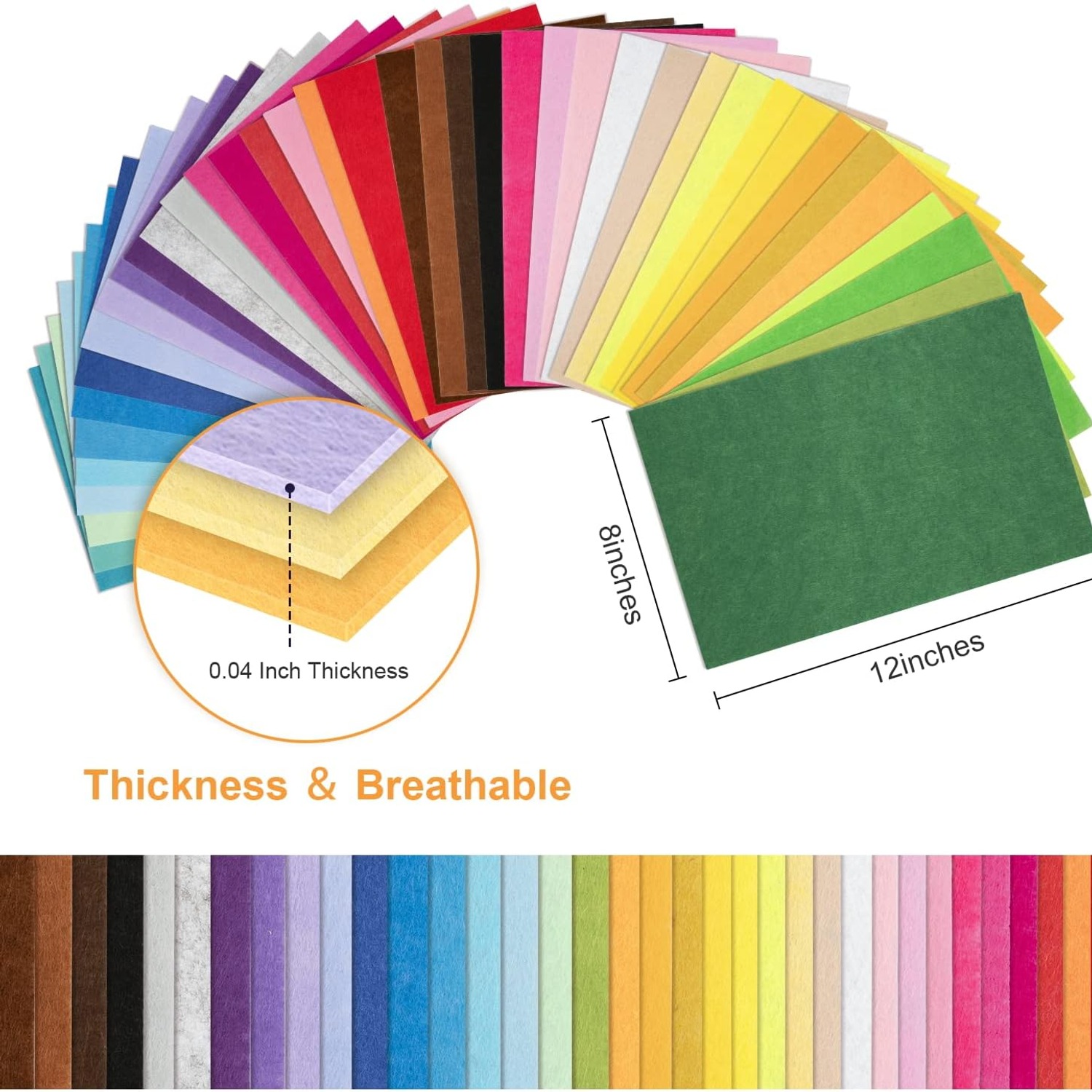
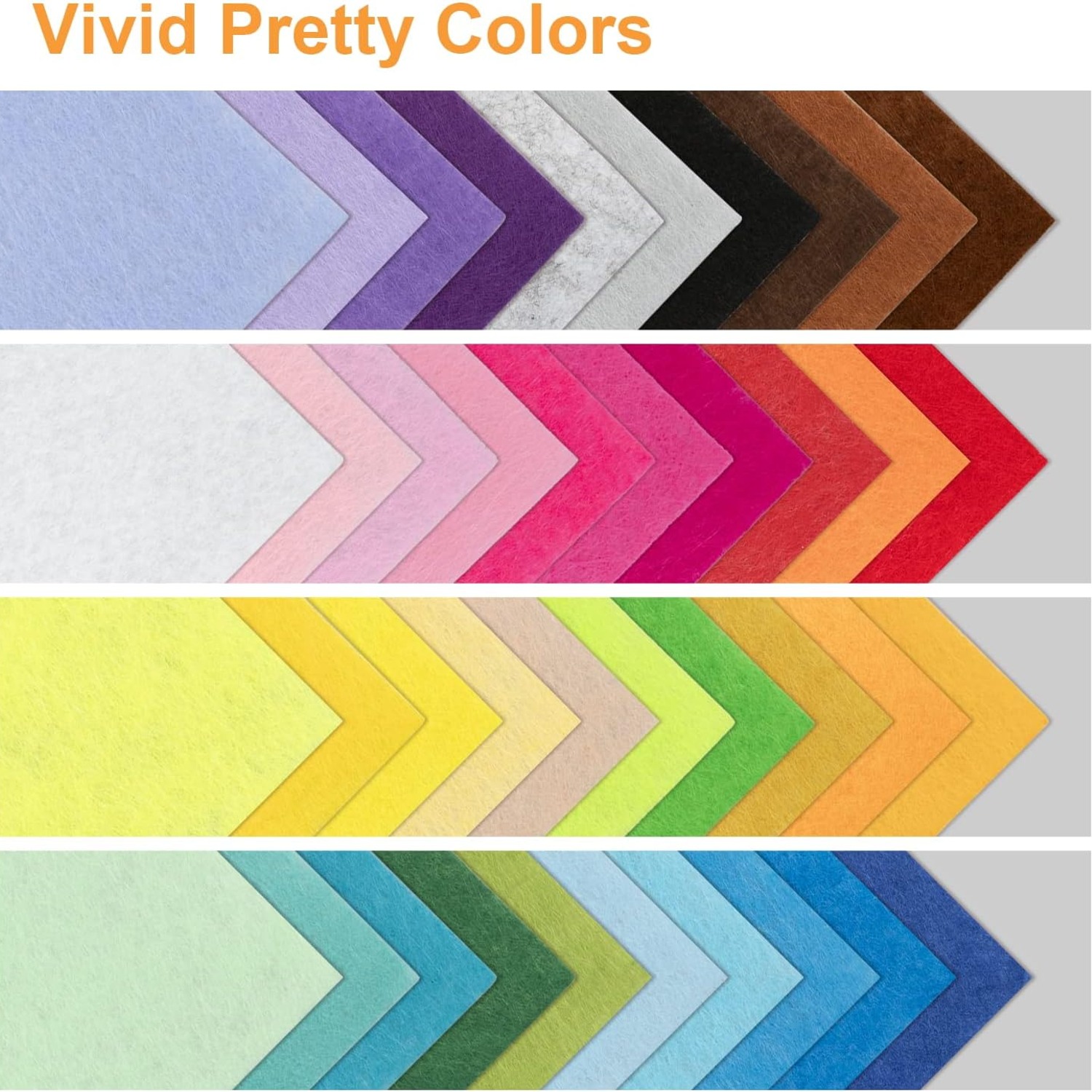
This pack offers 40 felt sheets in assorted colours. Each sheet is approximately 20 x 30 cm, or 8 x 12 in, and about 1 mm thick. It gives you separate pieces to work with for shapes, stitching and decorative details.
The key question is whether that format suits your project. Start with your pattern and the area you need to cover. Then decide whether an assorted pack gives you the colour choice and sheet size you need.
What this craft felt fabric is
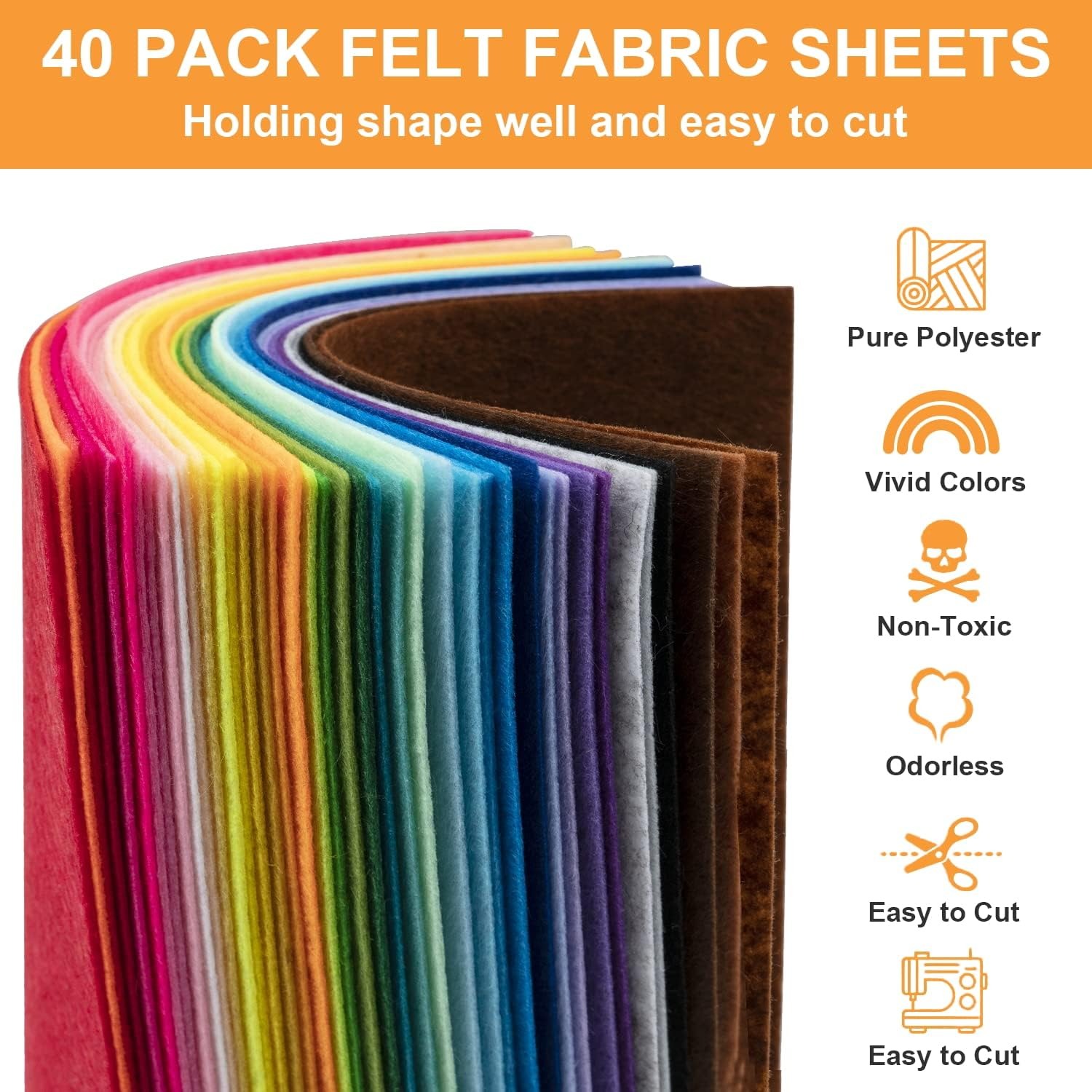
These sheets are made from non-woven polyester. Unlike woven cloth, this felt does not have an interlaced weave that can unravel along a cut edge. The maker describes it as easy to cut without fraying or crumbling.
That makes it worth considering for projects with exposed edges. You might cut a leaf, a letter or a simple animal shape and use the edge as part of the finished design. You do not have to plan a folded hem just to hide woven threads.
The material is still fabric, and the design matters. A very narrow strip or tiny point may behave differently from a broad shape. Before making a full set of pieces, cut one sample and handle it as you would in the finished project. This gives you a useful check without using much of your chosen colour.
Check the sheet size against your pattern
The nominal size is approximately 20 x 30 cm per sheet. The detailed item information also description 30.5 x 20.3 cm, which is close to the listed 12 x 8 in size. Treat the measurements as approximate rather than as a precision cutting guarantee.
If your pattern nearly fills a sheet, check the actual piece before marking it. Leave room for your cutting line and any seam allowance. A design that fits on paper with no spare space may be harder to place neatly on fabric.
For repeated felt shapes, make a paper template first. Move it around the sheet to see how many pieces fit. Turning a template can sometimes make better use of the space, but check whether the surface appearance matters to your design before cutting in different directions.
This is a pack of ready-sized sheets.
Decide whether an assorted pack suits your colour plan
An assorted colour felt pack is useful when the project welcomes variety. You can lay the sheets side by side, compare combinations and choose a background before cutting the smaller details.
It is less certain for a design that depends on a very specific shade. The maker describes 40 assorted colours but does not include a named colour chart. Do not assume that a particular red, green or neutral will match something you already own.
Think about how much of each colour the design needs. Forty sheets offer choice, but they do not mean you have a large area in one shade. If you are making several matching items, lay out all the required pieces before starting. This helps you spot a shortage while you can still adjust the design.
What approximately 1 mm thickness means for planning
These are thin craft felt sheets, with a stated thickness of approximately 1 mm. That measurement helps you judge the scale of a project, but it does not tell you everything about firmness or how a finished piece will hang.
Flat designs are a sensible starting point. Cards, cut-out pictures, stitched panels and layered decorations let you work with the sheet format without asking it to support a larger structure.
If your idea needs a shape to stand upright or carry weight, plan and test a backing rather than assuming the felt will do that job alone. Several layers also change the finished thickness. Stack small offcuts before sewing or gluing so you can see whether the result suits your design.
Cutting, stitching and joining pieces
A clean template helps with both simple and detailed cutting. Draw your shape on paper first, check its size, then test your marking method on a scrap. A visible mark may become part of the edge if you cut beside it rather than through it.
The maker includes sewing, folding and sticking among the handling options. For felt sheets for sewing, test your needle, thread and stitch spacing before working on the final piece. Very tight stitches can change the appearance of a small shape, so inspect both sides of the sample.
For glued projects, choose an adhesive intended for the materials you are joining. Felt attached to card is a different task from felt attached to another fabric. Make a small test and let it dry as directed before judging the hold or appearance.
Do not assume the sheets have an adhesive backing. None is specified.
Projects that make use of smaller pieces
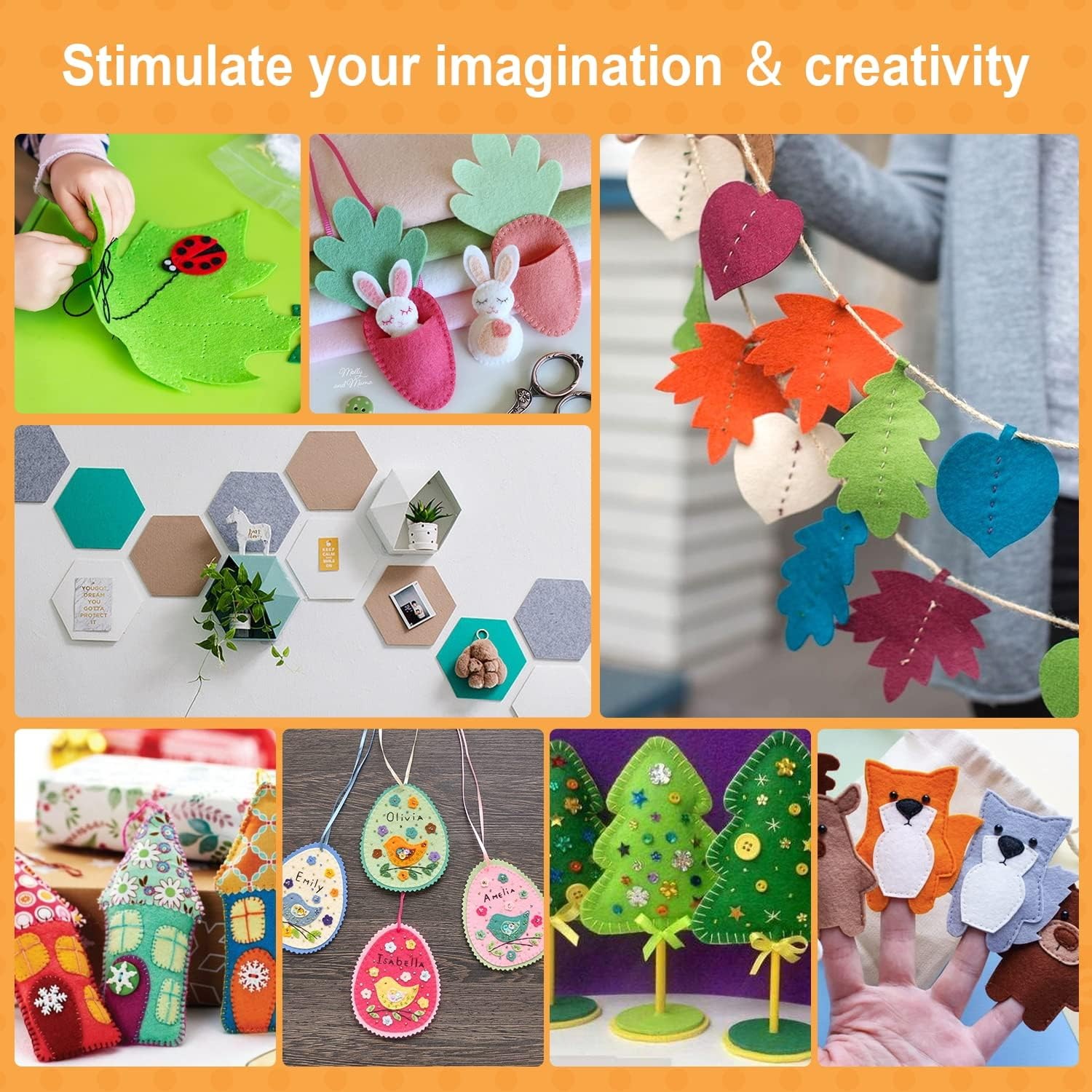
This pack's listed applications include embroidery, patchwork, educational materials, handmade gifts and seasonal decorations. These uses give you several ways to work with separate sheets rather than a large length of fabric.
Felt for embroidery can provide a coloured background for a small stitched design. Patchwork felt sheets can be arranged into a panel with planned joins. For cards, a few cut shapes may be all you need to add a fabric detail.
You can also plan felt for seasonal crafts around a small set of reusable templates. Keep the shapes simple at first, then add layers if the sample works well. There is no need to use every colour in one project. A limited palette can make planning easier and leave the other sheets for another idea.
Using felt in shared craft sessions
For a group activity, preparation matters as much as the material. Count how many shapes each person will need, make a sample and check the cutting layout before dividing up the sheets.
Classroom craft felt can be used for colour sorting, pictures or educational displays, as suggested by the maker's description. Choose the activity to suit the people taking part. Cutting tools, needles, glue and small offcuts all need appropriate adult supervision.
No safety certification or age rating is given in the maker's description. A suggested craft use does not establish that a finished item is suitable as a toy. If you are making something for a child, consider the whole design, including loose parts, attachments and how it will be used.
Care depends on the finished project
The product details list machine washing, but they do not state a wash temperature or cycle. That leaves an important gap if you are planning something that will need frequent cleaning.
Test a small sample before washing a finished piece. Once you add thread, paint, glue or a backing, care has to suit all those materials. A decoration attached to card, for example, needs a different approach from an undecorated sheet.
Ironing is mentioned by the maker, but a suitable heat setting is not given by the maker. Check any instructions included with the pack and test an offcut before applying heat. Store unused sheets flat and dry, away from direct sunlight. The maker describes fade resistance, but gives no test standard or outdoor exposure limit.
Inspect the pack before you begin
Open the pack carefully and check the sheets before making permanent changes. Look at the colour selection, compare the size with your pattern and try the feel of an uncut sheet against your intended use.
This is also the right time to think about returns. The stated change-of-mind policy allows returns within 14 days from delivery for fabric that is unwashed, uncut, unused and in its original packaging. The customer pays return postage.
Faulty or wrongly described goods are put right free of charge. If you find an issue, contact us before cutting or washing the fabric. Keep the packaging and order details while the matter is being resolved.
A delivery timeframe is not specified by the maker, so check the ordering information if your project has a fixed deadline.
The short version
Choose these felt sheets when you want assorted colours for small, cut-and-join craft work. The pack contains 40 non-woven polyester sheets, each approximately 20 x 30 cm and about 1 mm thick.
Measure your pattern, plan the colour quantities and test your joining method on an offcut. If you need an exact shade, a large continuous piece or detailed wash settings, resolve those needs before starting. A little planning keeps more of the pack available for the projects you actually want to make.