
The complete guide
Choosing Floral Cotton Squares for Your Next Patchwork Project
Less cutting before the creative part
Starting a patchwork project can mean a lot of measuring before you sew a single seam. If you want several colours, there is also the task of choosing separate fabrics and cutting each one into useful pieces. Pre-cut squares give you another starting point.
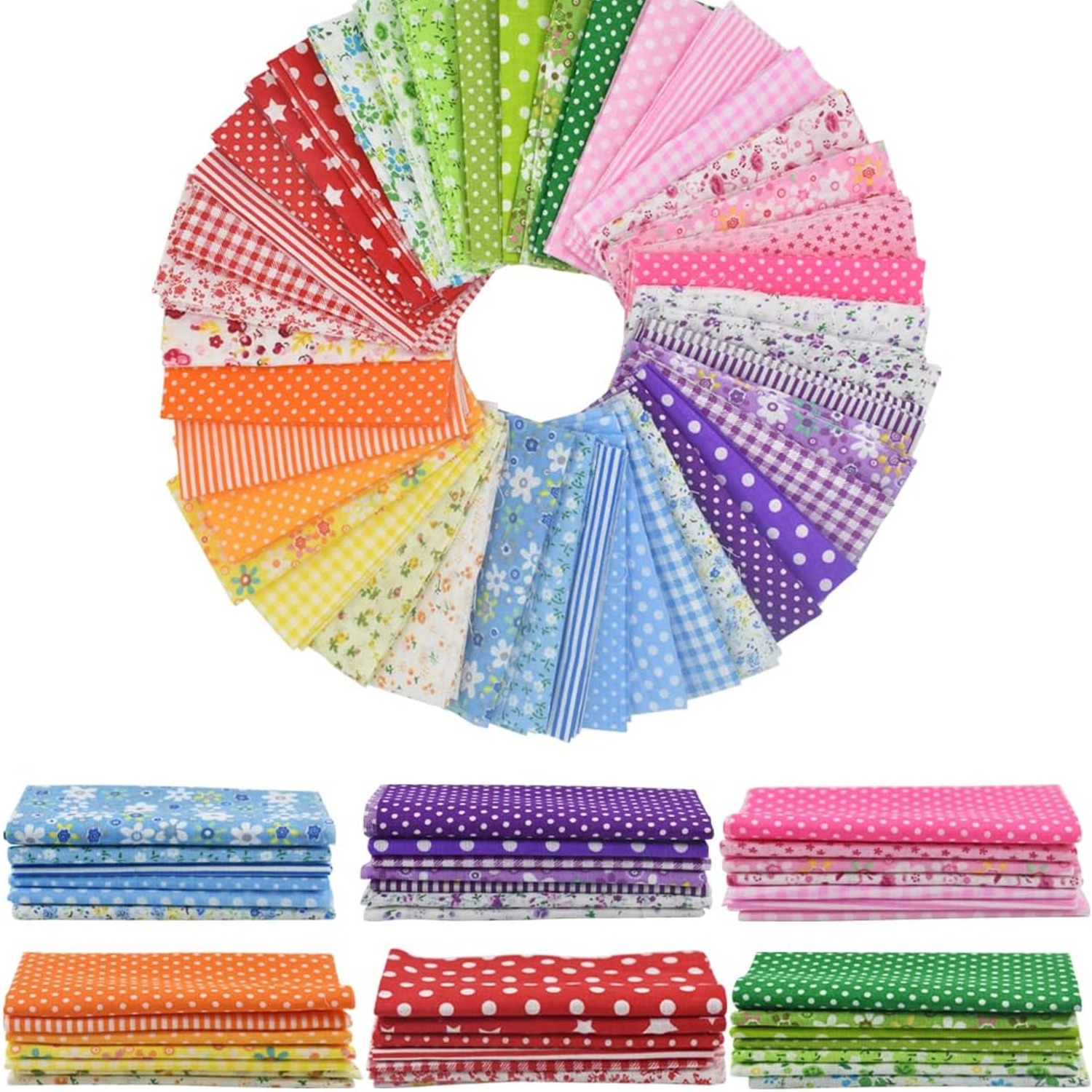
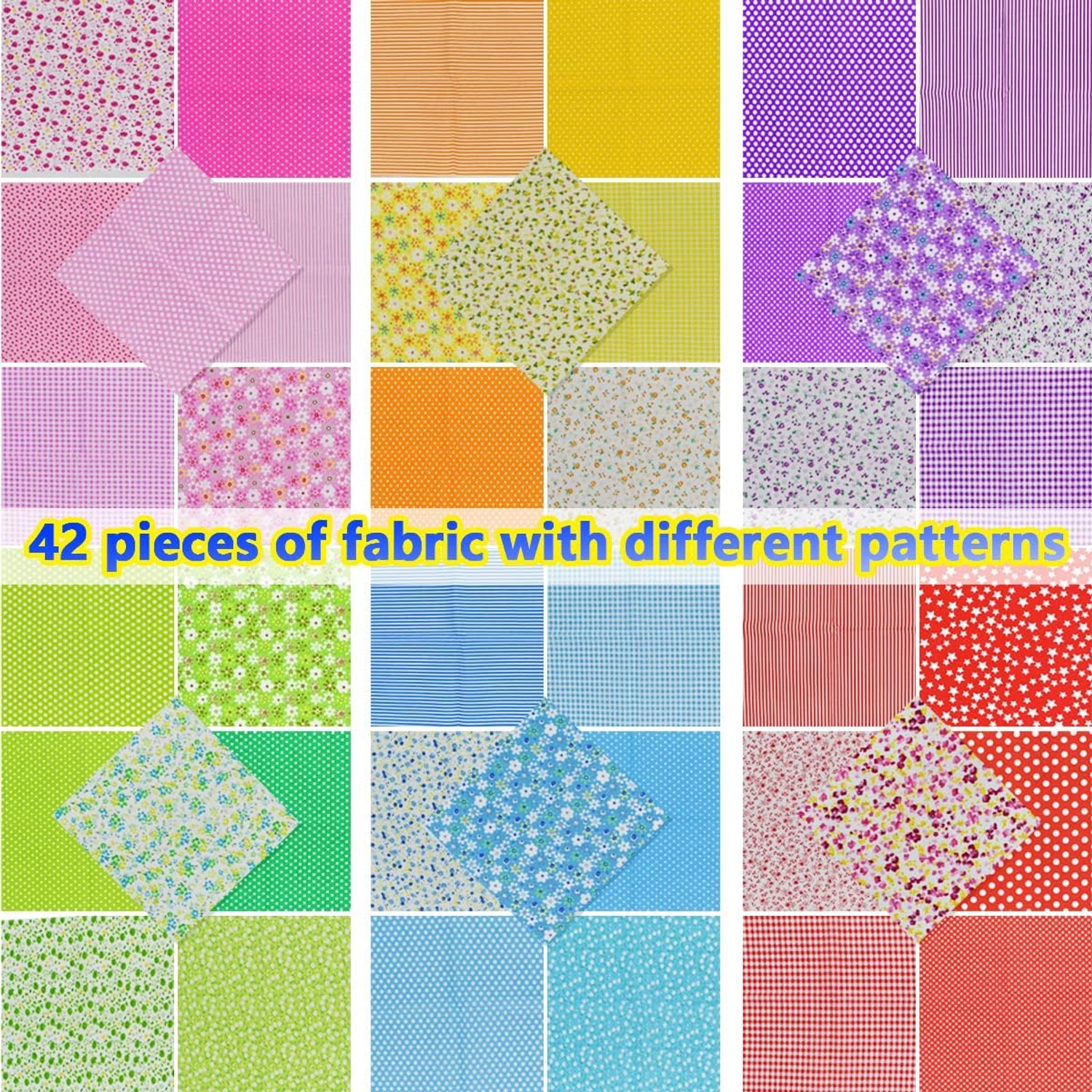
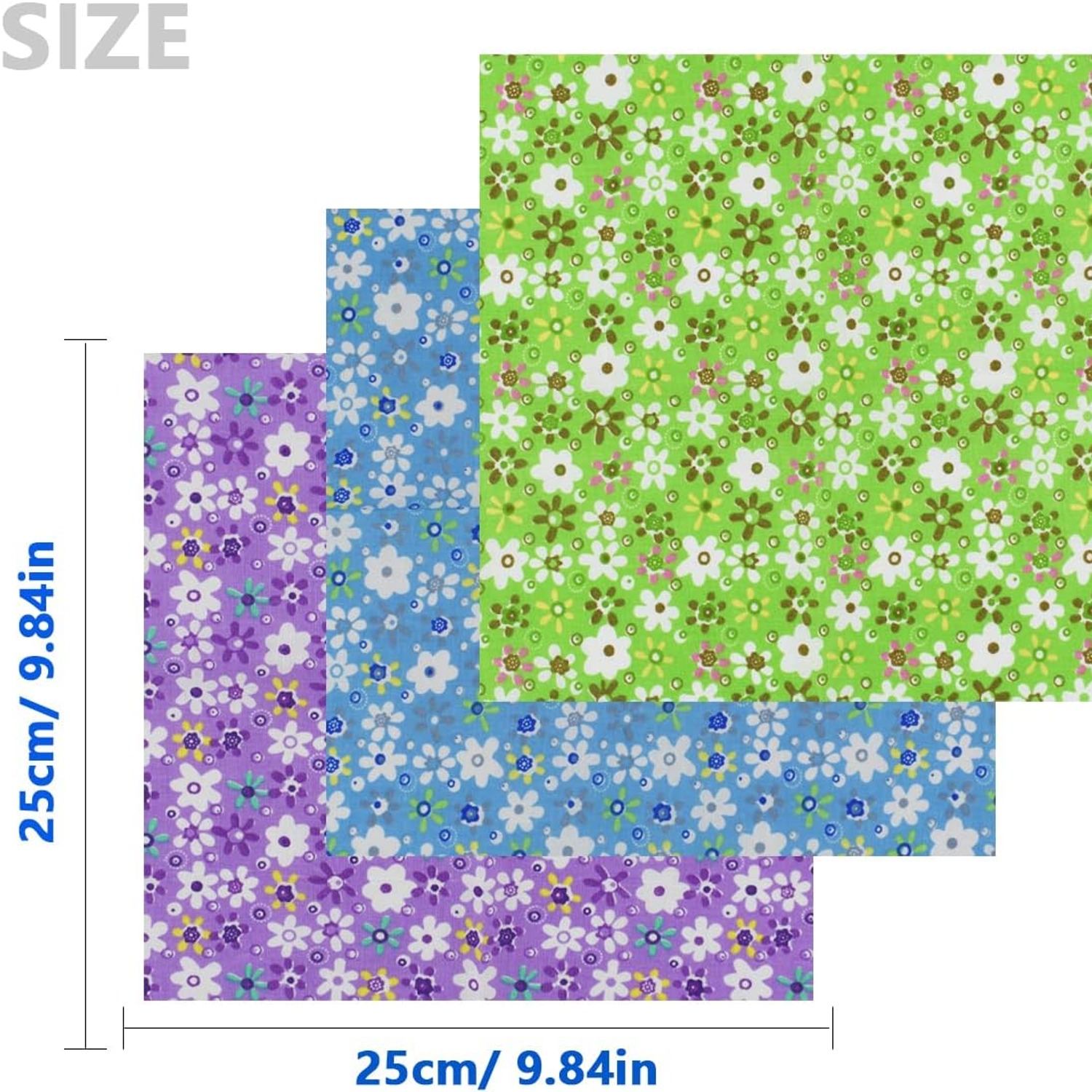
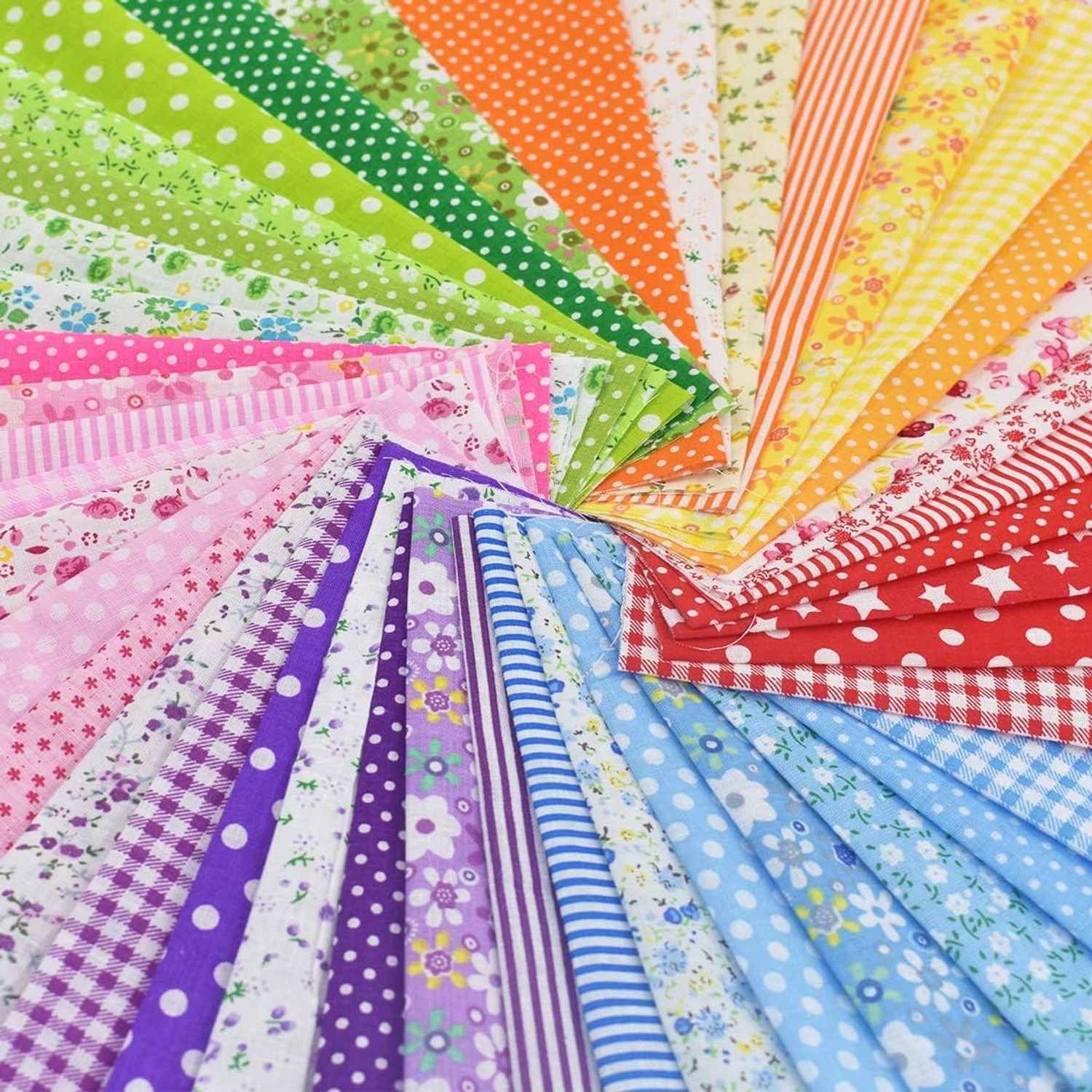
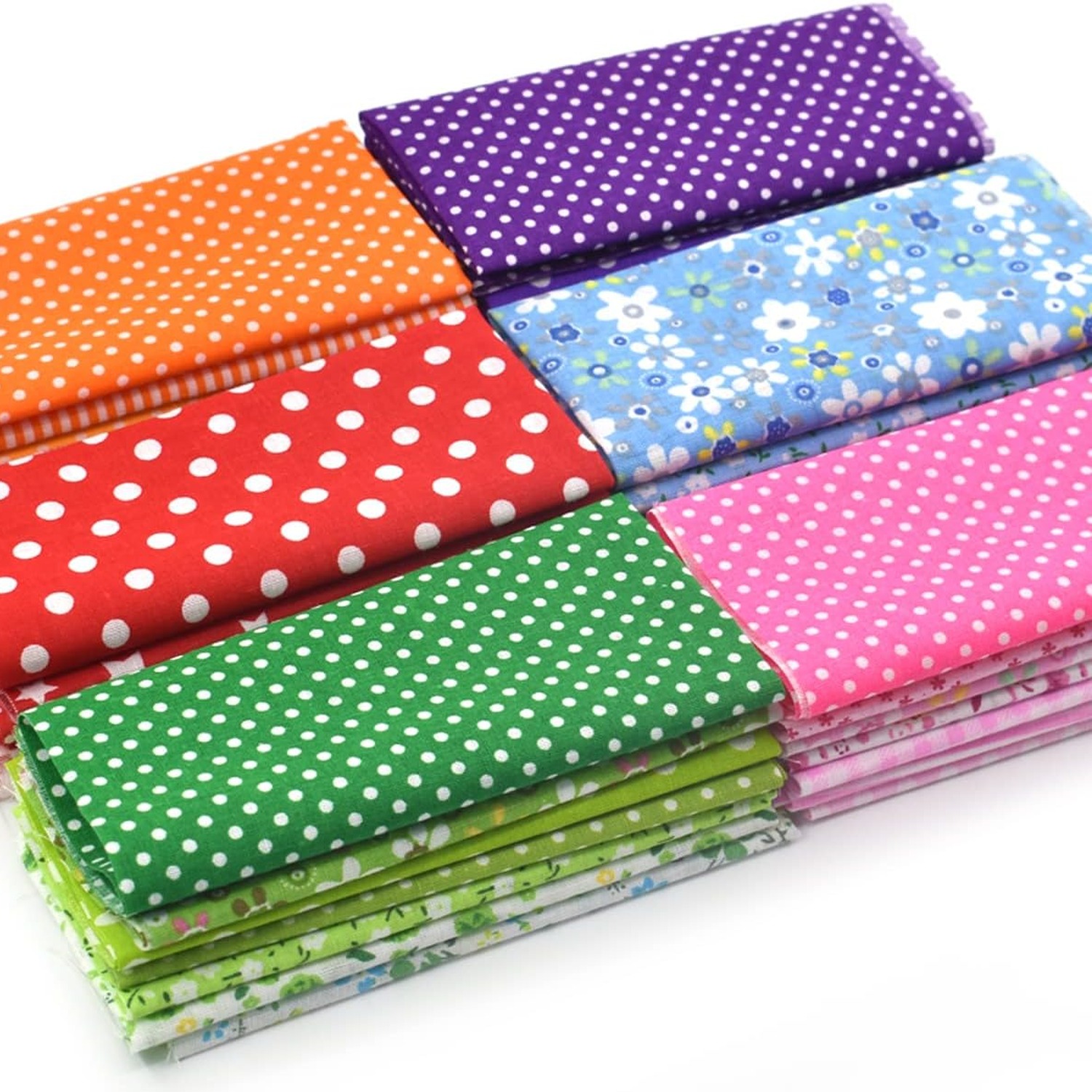
This pack contains 42 floral cotton squares, each measuring 25 x 25 cm (9.8 x 9.8 in). You can spread them out, compare the prints and start planning a layout without first dividing a length of fabric into squares.
That does not remove every preparation step. You still need to measure, choose a pattern and check seam allowances. What it does offer is a defined set of pieces to work with, which can make the first stage feel more manageable.
What you get in the bundle
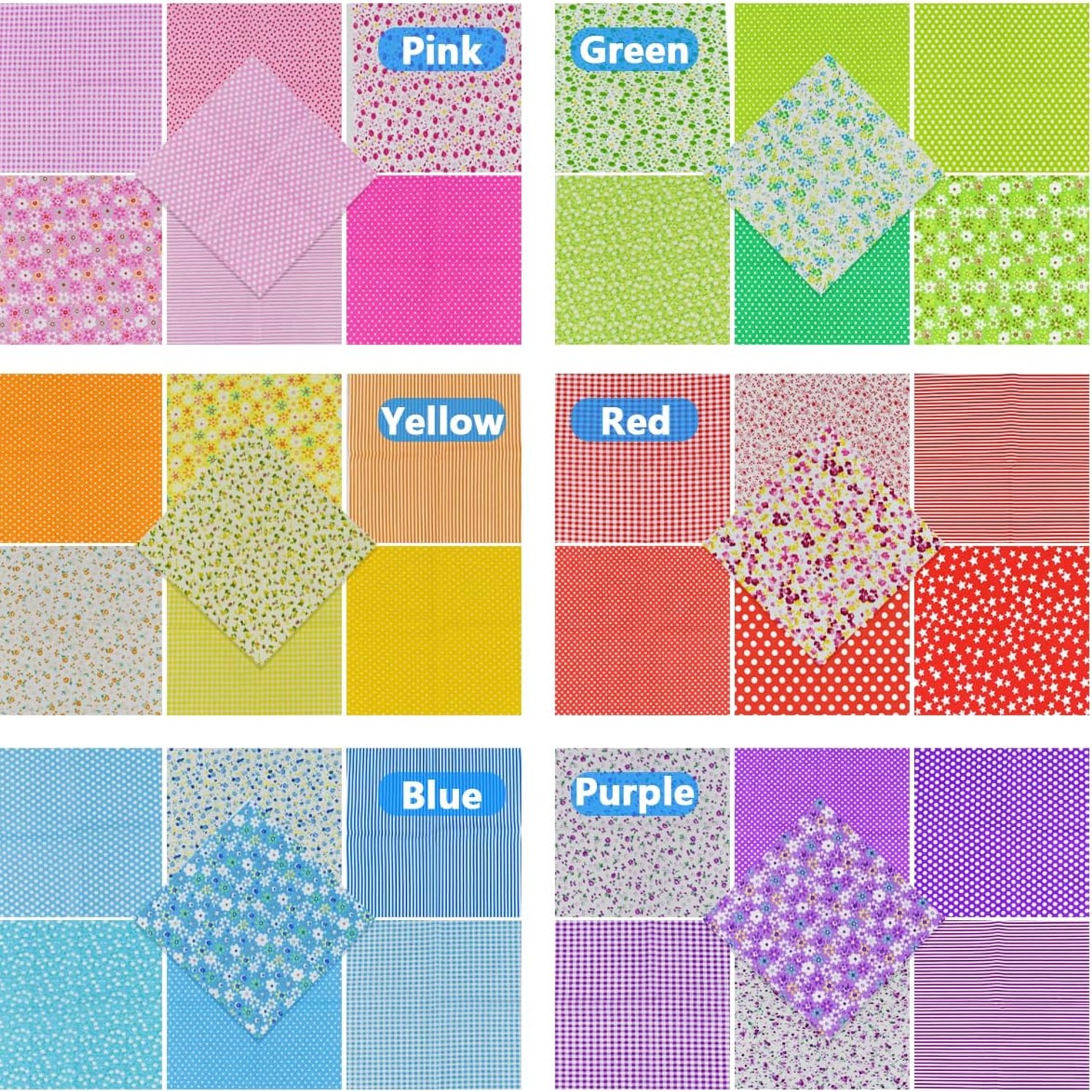
The pack brings together six colour groups, with seven pieces in each. The colours are red, yellow, green, blue, pink and purple. All have a floral theme, so there is a common thread across the mix even when the shades differ.
The fabric is listed as 100% cotton. The product details also list a jacquard weave and a pack weight of 200 g. They do not state the fabric weight per square metre, so the pack weight should not be used to judge fabric thickness.
Think of this as a cotton patchwork fabric bundle, not a complete project kit. The stated contents are the fabric squares. Any pattern, thread, backing or other supplies need to be planned separately.
How pre-cut squares work in patchwork
A square can become a whole patch in a simple quilt top, or it can be the starting piece for smaller shapes. Which approach makes sense depends on your pattern and how much cutting you want to do.
For a straightforward layout, arrange whole squares in rows. This lets the floral prints remain a main part of the design. For more detailed floral quilt blocks, your pattern may ask you to cut the pieces into rectangles, triangles or smaller squares.
Always read the cutting instructions before starting. It is easier to spot that mismatch on paper than after several squares have been cut.
Who this format suits
Pre-cut cotton fabric squares can suit a beginner who wants to practise joining pieces without first preparing every square from yardage. A simple design gives you room to focus on consistent seams and matching joins.
They can also suit a more experienced sewer who wants a floral selection for a planned block or a set of smaller projects. You do not have to use every piece in one item.
The main question is whether the size and print style fit the way you work. If your pattern needs long, unbroken panels, squares may be the wrong format. If it calls for small patches, they may be a useful place to begin.
Choose the project before counting the pieces
Forty-two squares tells you the pack quantity, but it does not tell you the finished quilt size. That depends on the arrangement, seam allowances and any extra design elements.
Start with the finished size you want, then work backwards through your pattern. Count the pieces needed for the main blocks and allow for any cutting that leaves offcuts. Borders or strips between blocks will need their own fabric.
For a first project, a smaller panel can be easier to plan than a large bed quilt. You might use floral patchwork fabric for a cushion front or part of a table runner. These give you a chance to work with the prints before committing to a larger design.
Allow for seams and trimming
The stated 25 x 25 cm measurement is the starting square size, not the finished size after sewing. Every joined edge uses some fabric inside the seam.
Follow the seam allowance in your pattern rather than guessing.
Measure the squares before you begin and check them against one another. If your pattern requires trimming, decide on a consistent working size first. This is especially important when combining this pack with quilt block fabric from your own collection. Two packs described in similar terms may still need checking before they are sewn together.
Arrange colour before reaching for the thread
Mixed colour fabric squares give you choices, but it helps to see them together. Lay out the pieces on a clean surface and step back from the arrangement.
You might place similar colours next to each other, or spread them across the design. A bright square can draw attention to one area, while a quieter print can give the eye somewhere to rest.
Take a photo once you find an arrangement you like. That gives you a reference if the pieces are moved before sewing. It also lets you compare two layouts without relying on memory. Do this in useful natural light where possible, since screens and room lighting can affect how colours look.
Decide whether to add plain fabric
You can plan around the floral pieces alone, but adding plain fabric from your own supplies is another option. It can separate busy prints or extend a design beyond the squares in the pack.
Before choosing a plain colour, look at the actual fabric rather than relying only on description photos. Pick out a shade you want to repeat, then compare samples if a close match matters.
Check more than colour when combining fabrics. Follow your pattern's advice on suitable fabric types and preparation. A pleasing colour match is only one part of making pieces work together in a finished item.
Small projects can use the pack well
A quilt is not the only way to use quilting cotton squares. Smaller projects let you divide the bundle across several makes, each with a different colour mix.
For fabric for cushion covers, consider a pieced front with a separate back. Your pattern will determine the size, fastening and any extra materials. For pouches or other accessories, check whether lining or added support is needed.
Keep useful offcuts once the main pieces are cut. They may suit decorative patches or later fabric scrap projects. Sort them by size or colour so they remain easy to use rather than becoming a tangled pile at the bottom of a sewing box.
Check the details that are not stated
Some project decisions need information beyond fibre content and square size. The maker does not specify shrinkage rate, colourfastness or fabric weight per square metre.
Do not assume those details from a photograph. If a pattern has strict fabric requirements, compare them with the available information before ordering. For a specialist use, ask about any missing detail that would affect your choice.
The same care applies to finished dimensions. If your project must fit an existing cushion insert or a fixed space, plan from the sewn measurements.
Care and preparation before sewing
Inspect the pack before washing or cutting. Check the colours, count the pieces and make sure the fabric suits your planned use while it is still eligible for a change-of-mind return.
The listed care options are hand washing or dry cleaning. For hand washing, use cold water and try a small piece first. Avoid assuming that the whole bundle can be treated the same way as another cotton fabric you already own.
If your pattern recommends prewashing, allow for that preparation before final cutting. Test pressing on a small area too, since an exact iron setting is not given. Keep unused pieces clean, dry and out of direct sunlight.
Buying for someone else
A floral bundle can be a thoughtful choice for someone who likes sewing with colour. Before choosing it as a gift, consider whether they usually work with pre-cuts or prefer buying longer lengths for a specific pattern.
The 42-piece format gives the recipient a set of fabric to plan around, but it does not include everything needed for a project. Avoid presenting it as a complete quilt kit.
If you are unsure about their taste, check whether floral prints feature in their recent work. A fabric gift is more useful when its style fits the projects the person enjoys making.
The short version
Choose these patchwork squares if you want 42 pre-cut floral cotton pieces in a mixed palette, each measuring 25 x 25 cm (9.8 x 9.8 in). Check your pattern, allow for seams and plan any extra supplies before you begin.
Delivery timing is not specified by the maker. Change-of-mind returns are available within 14 days of delivery for unwashed, uncut, unused fabric in its original packaging, with return postage paid by the customer. Faulty or wrongly described goods are put right free of charge.